Marco Riley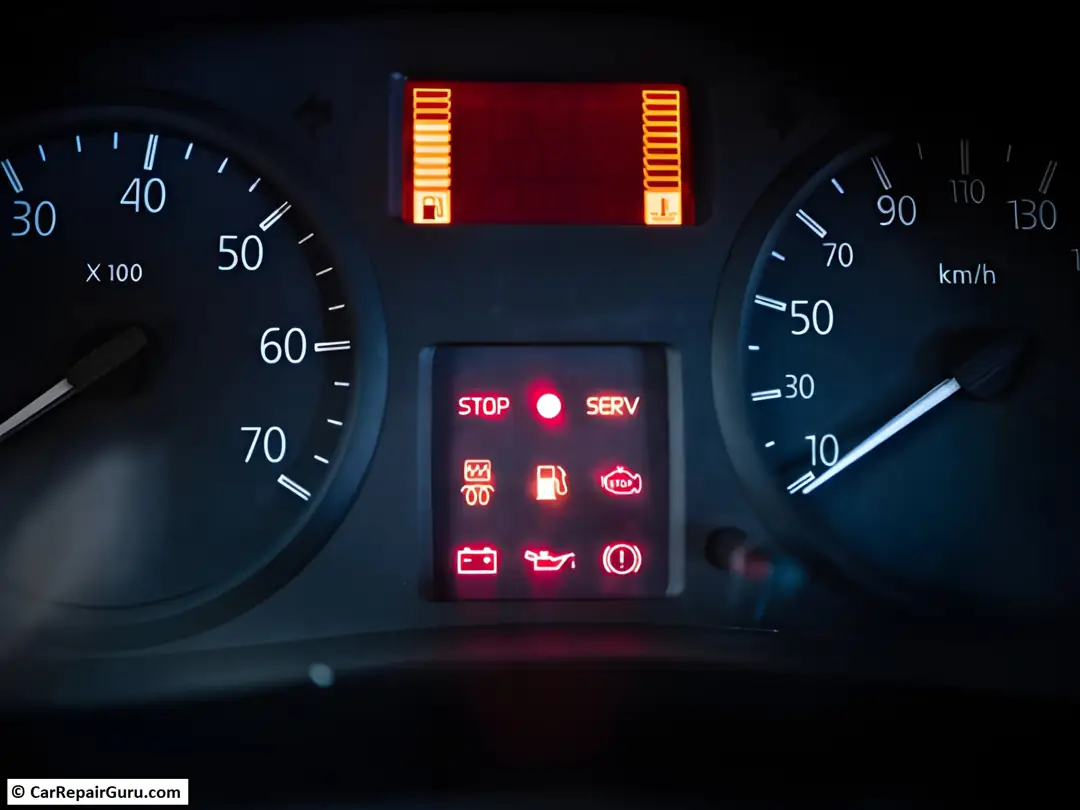
Ever get that sinking feeling? You’re driving along, and suddenly, a mysterious symbol lights up on your dashboard. Your mind starts to race. Is this serious? Can I keep driving? How much is this going to cost?
Don’t panic. Your car is trying to talk to you, and we’re here to help you translate. Those little icons, officially known as dashboard warning lights, are your vehicle’s way of communicating its health. Ignoring them can turn a small, fixable issue into a major, expensive repair.
This guide will demystify every common car dashboard symbol, explain what they mean, and tell you exactly what to do.
Before we dive into specific symbols, here’s the most important thing you need to know: the color of the light tells you the urgency.
- Red: Stop! A red light indicates a potentially serious problem or a safety issue. You should stop driving as soon as it is safe to do so.
- Yellow/Amber: Caution! A yellow or amber light means something needs to be serviced or checked soon. You can generally continue driving, but don’t ignore it for long.
- Green/Blue: System On. These aren’t “warning” lights at all. They are simply informational, letting you know a system like your headlights or cruise control is active.
- The Dashboard Light Color Code – Understanding Urgency
- Red Warning Lights – Stop Safely, Serious Problem
- Yellow / Amber Warning Lights – Caution, Service Soon
- Green / Blue Indicator Lights – System is Active
- The Most Common Dashboard Warning Lights and What to Do
- Critical Red Warning Lights (Stop Now!)
- Yellow / Amber Caution Lights (Service Soon)
- DIY Fixes vs. When to Call a Professional Mechanic
- Warning Lights You Might Be Able to Fix Yourself
- Warning Lights That Always Require a Mechanic
- Your Dashboard is Your Partner in Car Maintenance
- Frequently Asked Questions about Dashboard Lights
- Can I drive with my check engine light on?
- How do I reset a dashboard warning light?
- Why did all my dashboard lights turn on at once?
- Does cold weather affect my dashboard lights?
The Dashboard Light Color Code – Understanding Urgency
Think of your dashboard like a traffic light. The color-coding system is universal and designed to give you an immediate sense of how serious the problem is.
Red Warning Lights – Stop Safely, Serious Problem
When you see red, you need to act immediately. These dashboard warning lights symbols signal a critical failure that could make your vehicle unsafe to drive or cause severe, irreversible damage to the engine or other core components. Continuing to drive with a red warning light on is a major gamble.
Yellow / Amber Warning Lights – Caution, Service Soon
Yellow lights are your car’s way of saying, “Hey, pay attention to this when you get a chance.” It could be a sensor failure, a maintenance reminder, or an issue with a non-critical system. While not an emergency, you should schedule a visit to your mechanic to find out what your dashboard lights mean before the problem gets worse.
Green / Blue Indicator Lights – System is Active
These are the good guys. A green or blue light is just a confirmation that a system you’ve turned on is working as it should. This includes things like your turn signals, high beams, and cruise control. No action is needed.
The Most Common Dashboard Warning Lights and What to Do
Here’s a breakdown of the most common car warning lights and their meanings, categorized by their color and urgency.
Critical Red Warning Lights (Stop Now!)
Engine Coolant Temperature Light
- What it Means: Your engine is overheating. This happens when the cooling system isn’t working correctly, and engine temperatures have risen to a dangerous level.
- What to Do: This is an emergency. Pull over to a safe location immediately and turn off the engine. Let it cool down for at least 30 minutes. Do not attempt to open the radiator cap when the engine is hot, as pressurized steam can cause severe burns. Call for a tow. Driving an overheating car can lead to a warped cylinder head or complete engine seizure.
Oil Pressure Warning Light
- What it Means: This is one of the most serious warnings your car can give you. It means your engine has lost oil pressure, which prevents oil from circulating and lubricating the moving parts.
- What to Do: Shut off the engine immediately. Pull over the moment it is safe. Every second you run the engine without oil pressure causes catastrophic wear. Check your oil level after the engine has cooled. Even if the dipstick shows oil, don’t restart the engine. A failed oil pump could be the cause. This is a situation that requires a tow truck.
Battery / Charging System Light
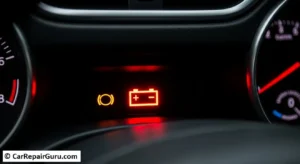
- What it Means: This light doesn’t mean your battery is bad (though it could be). It means the vehicle’s charging system is failing. The culprit is usually a bad alternator or a broken serpentine belt. Your car is now running solely on battery power and will die soon.
- What to Do: Turn off all non-essential electronics—radio, A/C, heated seats—to conserve power. Do not turn the car off if you can avoid it, as it may not start again. Drive directly to the nearest mechanic if it’s very close. Otherwise, pull over and call for help.
Brake System Warning Light
- What it Means: This light has a few potential meanings. It could be simple: your parking brake is still on. If not, it signals a serious problem with the braking system, such as low brake fluid or a hydraulic system failure.
- What to Do: First, make sure your parking brake is fully disengaged. If it is and the light is still on, pull over safely. Your brakes could fail. Check your brake fluid level (consult your owner’s manual for location). It is best to have your vehicle towed for a professional brake inspection.
Yellow / Amber Caution Lights (Service Soon)
Check Engine Light (Solid)
- What it Means: The infamous check engine light. When it’s on and steady (not flashing), it means the onboard computer has detected a fault in the engine or emissions system. The cause can be anything from a loose gas cap to a failing oxygen sensor.
- What to Do: First, check your gas cap. A loose cap is the most common trigger. Tighten it, and the light may turn off after a few drives. If it stays on, the car is generally safe to drive, but you should schedule a diagnostic check soon to prevent poor fuel economy or potential damage to components like the catalytic converter.
Check Engine Light (Flashing)
- What it Means: A flashing check engine light is a red-level emergency disguised in yellow. It signals a severe engine misfire, which is dumping unburned fuel into the exhaust system. This can destroy your expensive catalytic converter in a matter of minutes.
- What to Do: Reduce your speed and pull over as soon as it is safe. Turn off the engine and have the vehicle towed to a mechanic. Do not continue driving.
Tire Pressure Monitoring System (TPMS) Light
- What it Means: The TPMS light indicates that the air pressure in one or more of your tires is significantly low.
- What to Do: Find a safe place to pull over and visually inspect your tires. If one looks flat, you’ll need to change it. If they look okay, drive carefully to the nearest gas station and use a tire gauge to check the pressure of all four tires. Inflate them to the recommended PSI, which is listed on a sticker inside the driver’s door jamb. The light should turn off after you drive a few miles.
Anti-lock Brake System (ABS) Light
- What it Means: There’s a problem with your Anti-lock Braking System.
- What to Do: Your regular brakes will still work, but the anti-lock feature—which prevents wheel lock-up during hard braking—is disabled. You can drive the car, but you should brake with extra care, especially on wet or slippery surfaces. Get the system serviced by a professional soon.
DIY Fixes vs. When to Call a Professional Mechanic
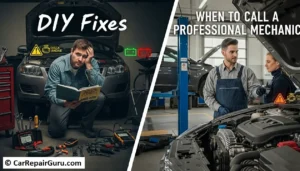
Some dashboard lights are a call to action for you, while others are a clear signal to call in the experts. Knowing the difference can save you time, money, and stress.
Warning Lights You Might Be Able to Fix Yourself
- Check Engine Light (Solid): Always start with the gas cap. Give it a few twists until it clicks. This simple act solves the problem more often than you’d think.
- TPMS Light: Checking and inflating your tires is a basic part of car ownership. A portable air compressor or a visit to a gas station is all you need.
- Low Washer Fluid Light: This is as easy as it gets. Pop the hood, find the reservoir (it usually has a symbol of a windshield on the cap), and fill it up.
Warning Lights That Always Require a Mechanic
- Anything Flashing: A flashing light means an active, urgent problem. Don’t risk it—call for a tow.
- Oil Pressure or Coolant Temperature Light: These red lights warn of issues that can destroy your engine. The risk of driving is far greater than the cost of a tow.
- Brake System or ABS Light: Your brakes are your car’s most important safety system. Any potential issue should be diagnosed and repaired by a professional.
- Airbag Fault Light: The airbag system is complex and dangerous to work on without proper training and tools. Leave this to the experts.
Your Dashboard is Your Partner in Car Maintenance
Your car’s dashboard is more than just a collection of confusing symbols; it’s a vital communication tool. By understanding what dashboard lights mean, you can move from panic to proactive problem-solving. Remember the color code—it’s your first and best clue to the severity of the issue.
Treating these warnings as helpful advice rather than an annoyance will keep you safer on the road and extend the life of your vehicle.
See a light you’re unsure about? Don’t guess, get a diagnosis. Schedule a diagnostic appointment with our certified technicians today, and we’ll give you peace of mind.
Frequently Asked Questions about Dashboard Lights
Can I drive with my check engine light on?
If the light is solid, you can usually drive a short distance to a mechanic, but you should get it diagnosed as soon as possible. If the check engine light is flashing, pull over and stop the engine immediately to prevent serious damage.
How do I reset a dashboard warning light?
The light is designed to turn off once the underlying problem is fixed. Simply clearing the code without addressing the issue will only cause the light to come back on. The best way to reset a light is to fix the problem that triggered it.
Why did all my dashboard lights turn on at once?
This often points to a major electrical system failure, most commonly a failing alternator that can no longer power all the car’s systems. It can also happen for a brief moment when you start the car, which is a normal system check.
Does cold weather affect my dashboard lights?
Yes. Cold air is denser, which can cause the air pressure in your tires to drop and trigger the TPMS light. Extreme cold can also be the final straw for a weak battery, causing the battery light to appear on startup.
About the Author