Marco Riley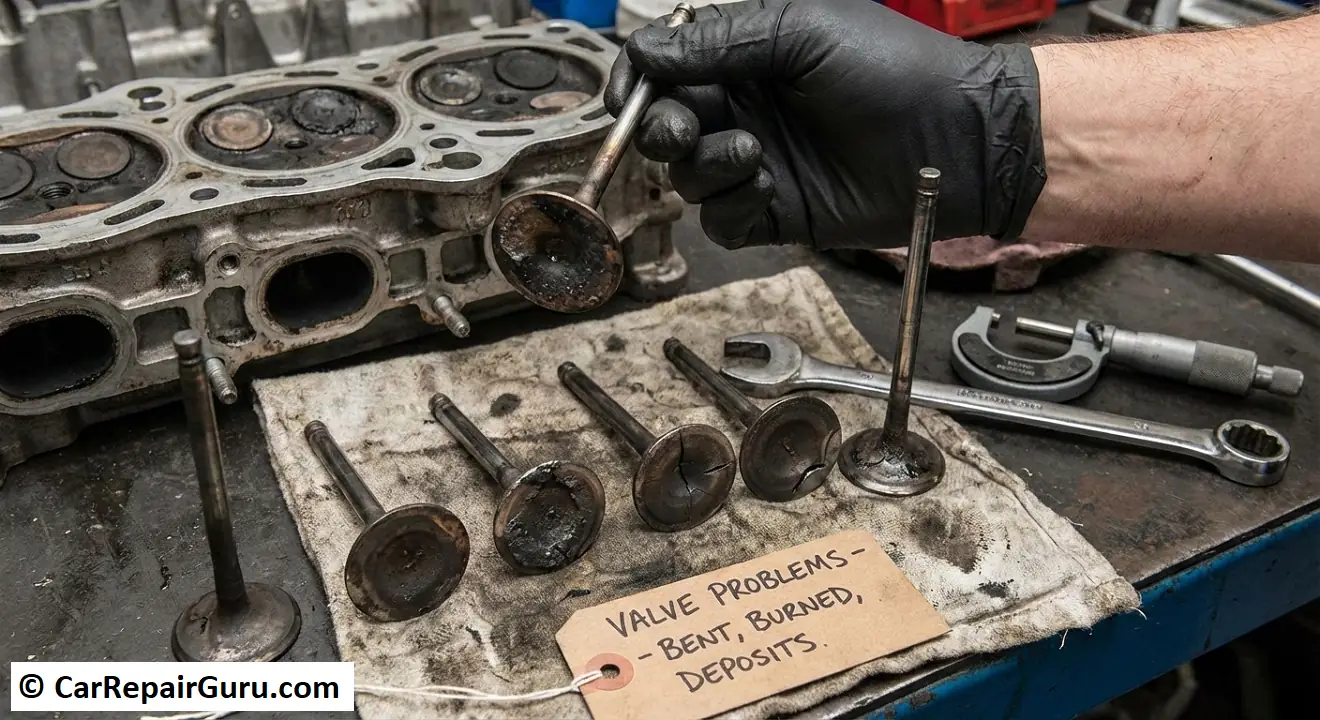
Is your engine suddenly making a persistent ticking sound that won’t go away? Are you dealing with a shaky, rough idle at stoplights or a frustrating loss of power when you try to accelerate? These aren’t just minor annoyances; they’re often the first warning signs of engine valve problems.
Valves are some of the hardest-working parts inside your engine, and when they fail, they can cause a domino effect of issues, from poor performance to catastrophic engine damage.
This guide will walk you through everything you need to know. We’ll cover the tell-tale symptoms of bad engine valves, explore the common causes like burnt or bent valves, and break down what you can expect for a diagnosis and repair.
- What Are Engine Valves and What Do They Do?
- Top 7 Symptoms of Bad Engine Valves
- 1. Ticking or Tapping Noise from the Engine
- 2. Rough Idle and Engine Misfires
- 3. Significant Loss of Engine Power and Poor Acceleration
- 4. Increased Oil Consumption and Blue Smoke from Exhaust
- 5. Poor Fuel Economy
- 6. Backfiring Through the Intake or Exhaust
- 7. Check Engine Light Is On
- What Causes Engine Valve Problems? The 4 Main Culprits
- 1. Overheating and Burnt Valves
- 2. Timing Belt/Chain Failure and Bent Valves
- 3. Carbon Buildup and Sticking Valves
- 4. General Wear & Tear
- How to Diagnose Engine Valve Problems
- Engine Valve Repair – What to Expect
- Engine Valve Repair Cost
- How to Prevent Engine Valve Damage
- Final Thoughts – Don’t Ignore the Ticking Time Bomb
- Frequently Asked Questions (FAQ)
What Are Engine Valves and What Do They Do?
Think of your engine’s valves as its respiratory system. Just like you need to breathe in and out to live, your engine needs to “breathe” to run. It does this with two types of valves in each cylinder.
The Role of Intake and Exhaust Valves
- Intake Valves: These larger valves open to let the precise mixture of air and fuel into the engine’s combustion chamber.
- Exhaust Valves: Once the fuel is ignited and the power is generated, these smaller valves open to push the burnt exhaust gases out.
This entire process happens thousands of times per minute, perfectly synchronized with the movement of the pistons.
Why Valve Timing is Crucial
This isn’t a random open-and-close operation. The valves are controlled by the camshaft, which is connected to the crankshaft by a timing belt or chain. They must open and close at the exact right millisecond for the engine to generate power efficiently. If the timing is off, or if a valve isn’t sealing properly, the whole system falls apart.
Top 7 Symptoms of Bad Engine Valves
Valve issues can manifest in several ways. If you notice any of the following signs, it’s time to pay close attention.
1. Ticking or Tapping Noise from the Engine
This is often the first and most common symptom. An audible engine ticking noise, especially when the engine is cold, can point to a problem in the “valvetrain.” The sound is caused by excessive space, or “lash,” between the valve stem and the rocker arm. While it can sometimes be a simple fix like a valve adjustment, it can also indicate a more serious worn part.
2. Rough Idle and Engine Misfires
A healthy engine should idle smoothly. If your car feels shaky or stutters at a stop, it could be a valve that isn’t sealing properly. When a valve doesn’t close all the way, that cylinder loses compression—it can’t effectively squeeze the air-fuel mixture. This leads to an engine misfire and will often trigger the check engine light with a code like P0301 (Cylinder 1 Misfire).
3. Significant Loss of Engine Power and Poor Acceleration
Does your car feel sluggish and weak? A loss of compression from a bad valve directly translates to a loss of power. The engine can’t breathe efficiently, so it can’t produce the force needed to accelerate properly. This is a classic symptom of a burnt valve or bent valve.
4. Increased Oil Consumption and Blue Smoke from Exhaust
If you find yourself constantly topping off your engine oil, your valve seals or guides might be the culprit. Worn valve seals allow small amounts of oil to leak down the valve stems and into the combustion chamber. This oil gets burned along with the fuel, producing a puff of blue smoke from the exhaust, particularly on startup.
5. Poor Fuel Economy
An engine with valve problems is an inefficient engine. It has to work harder and burn more fuel to compensate for the loss of compression and power. If you’re suddenly making more trips to the gas station without changing your driving habits, a valve issue could be to blame.
6. Backfiring Through the Intake or Exhaust
While less common, backfiring is a dramatic symptom.
- An intake valve sticking open can cause the combustion flame to travel back into the intake manifold, creating a “pop” or backfire through the engine bay.
- An exhaust valve sticking open can allow unburnt fuel into the hot exhaust system, where it can ignite and cause a backfire from the tailpipe.
7. Check Engine Light Is On
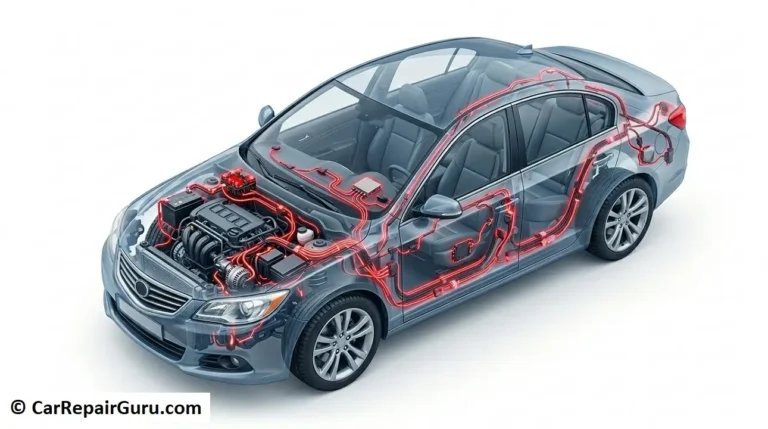
Your car’s computer is smart. It monitors engine performance, and a recurring misfire caused by a bad valve will almost certainly illuminate your check engine light. A mechanic can scan for codes that point toward a specific cylinder, which is the first step in diagnosing the problem.
What Causes Engine Valve Problems? The 4 Main Culprits
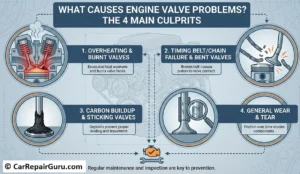
Valves don’t usually fail without a reason. Here are the most common causes of serious valve trouble.
1. Overheating and Burnt Valves
The exhaust valves, in particular, endure incredible temperatures. If the engine’s cooling system isn’t working correctly and the engine overheats, the edge of a valve can get so hot that it flakes away or warps. This creates a burnt valve, which can no longer create a perfect seal.
2. Timing Belt/Chain Failure and Bent Valves
This is the big one. In many “interference” engines, the pistons and valves share the same space, but at different times. If the timing belt or chain breaks, this synchronization is lost. The piston travels up and smashes into any valves that are left open. The result is a bent valve, a catastrophic and expensive failure. This is why replacing your timing belt on schedule is absolutely critical.
3. Carbon Buildup and Sticking Valves
Over time, especially in modern direct-injection engines, hard carbon deposits can build up on the valve stems. This gunk can prevent the valve from moving freely in its guide, causing a sticking valve. A sticking valve may not close fast enough, or it might not open fully, disrupting compression and airflow.
4. General Wear & Tear
Nothing lasts forever. After 150,000+ miles, parts like valve springs can weaken, valve guides can wear out, and valve seals can become hard and brittle. Infrequent oil changes can accelerate this wear, as dirty oil can’t properly lubricate the valvetrain components.
How to Diagnose Engine Valve Problems
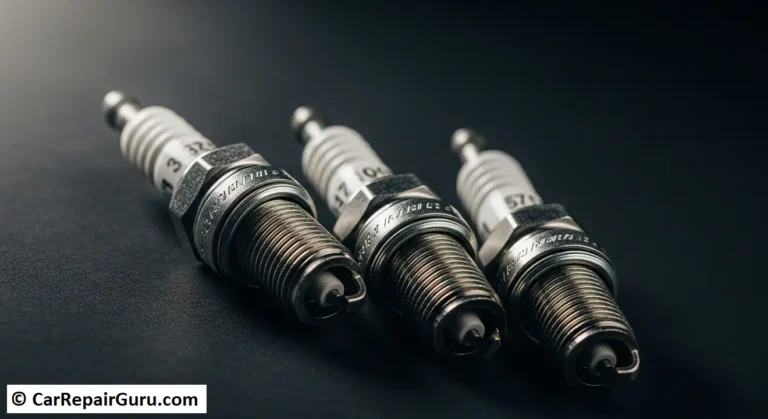
Because the symptoms of bad valves can overlap with other issues (like bad spark plugs or fuel injectors), a proper diagnosis is key. A mechanic will typically perform two key tests.
- Compression Test: This test measures how well each cylinder can hold pressure. A gauge is threaded into a spark plug hole, and the engine is cranked. A cylinder with a bad valve will show significantly lower compression than the others.
- Cylinder Leak-Down Test: This is a more precise test. Air is pumped into the cylinder when the piston is at the top, and the mechanic measures how much air leaks out. By listening for where the air is escaping (from the intake, the exhaust pipe, or the oil cap), they can pinpoint if the intake valve, exhaust valve, or piston rings are the problem.
Engine Valve Repair – What to Expect
Let’s be clear: repairing internal engine components like valves is a complex, labor-intensive job that is best left to professional mechanics.
The repair process generally involves removing the entire cylinder head from the engine. It is then taken to a machine shop where it’s disassembled, cleaned, and inspected. The damaged valves are replaced, the valve seats are often re-cut to ensure a perfect seal, and new valve seals are installed. The head is then reassembled and installed on the engine with new gaskets and precisely timed.
Engine Valve Repair Cost
The cost can vary dramatically based on the extent of the damage and your vehicle.
- Minor Repair (Valve adjustment, valve cover gasket): $300 – $800
- Major Repair (Burnt or sticking valves requiring cylinder head removal): $1,500 – $4,000+
- Catastrophic Repair (Bent valves from a timing belt failure): $2,500 – $5,000+, as this often includes damage to pistons and other components.
Factors that influence the final cost include the type of engine (a V6 or V8 has two cylinder heads, doubling much of the labor), the make and model of the car, and local labor rates.
How to Prevent Engine Valve Damage
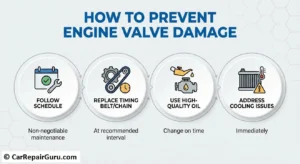
The best repair is the one you never have to do. You can significantly extend the life of your engine valves by:
- Following your maintenance schedule: This is non-negotiable.
- Replacing your timing belt or chain at the recommended interval: This is the #1 way to prevent bent valves.
- Using high-quality engine oil and changing it on time: Clean oil is crucial for lubricating the valvetrain.
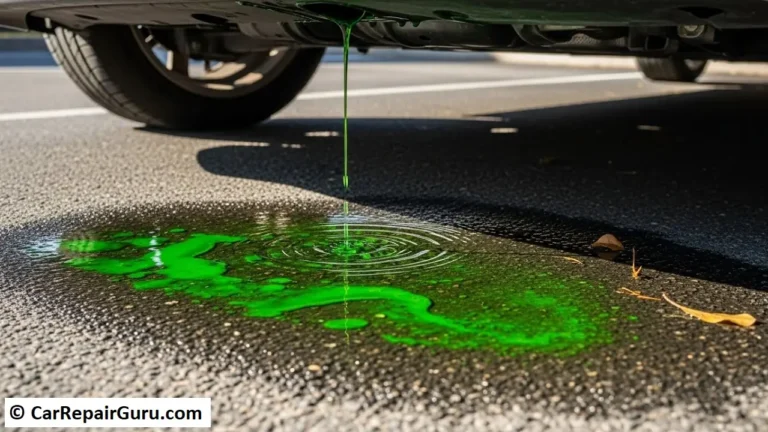
- Addressing cooling system issues immediately: Never let your engine overheat. A simple coolant leak can lead to a very expensive burnt valve.
Final Thoughts – Don’t Ignore the Ticking Time Bomb
Engine valve problems are serious. While that initial ticking noise or slight rough idle might seem like a minor issue, it’s often your engine’s way of asking for help. Ignoring these signs can lead to a cascade of failures, resulting in repairs that cost thousands of dollars.
If you recognize any of the symptoms we’ve discussed, don’t wait for the problem to get worse. Get a professional diagnosis from a certified mechanic to understand the scope of the issue and prevent further, more expensive damage to your engine.
Frequently Asked Questions (FAQ)
Can you drive with a bad engine valve?
It is highly discouraged. Continuing to drive can cause more damage. For example, a piece of a burnt valve could break off and destroy the piston and cylinder wall, turning a repairable problem into one that requires a full engine replacement.
What does a bent valve sound like?
A bent valve usually doesn’t make a specific sound on its own. The primary bent valve symptoms are a “dead” cylinder that causes a violent shake, a constant misfire, and a complete lack of power. The ticking sound is more associated with worn or out-of-adjustment valvetrain parts.
Is a sticking valve the same as a burnt valve?
No. A sticking valve is a mechanical problem where carbon buildup prevents the valve from moving smoothly. A burnt valve is physical damage to the valve’s sealing surface caused by extreme heat.
Is it worth fixing a bent valve?
It depends on the car’s value. For a newer or well-maintained car, the repair is almost always worth it. For an older, high-mileage vehicle, the bent valve repair cost might be more than the car is worth, making it a tougher financial decision.
About the Author