Marco Riley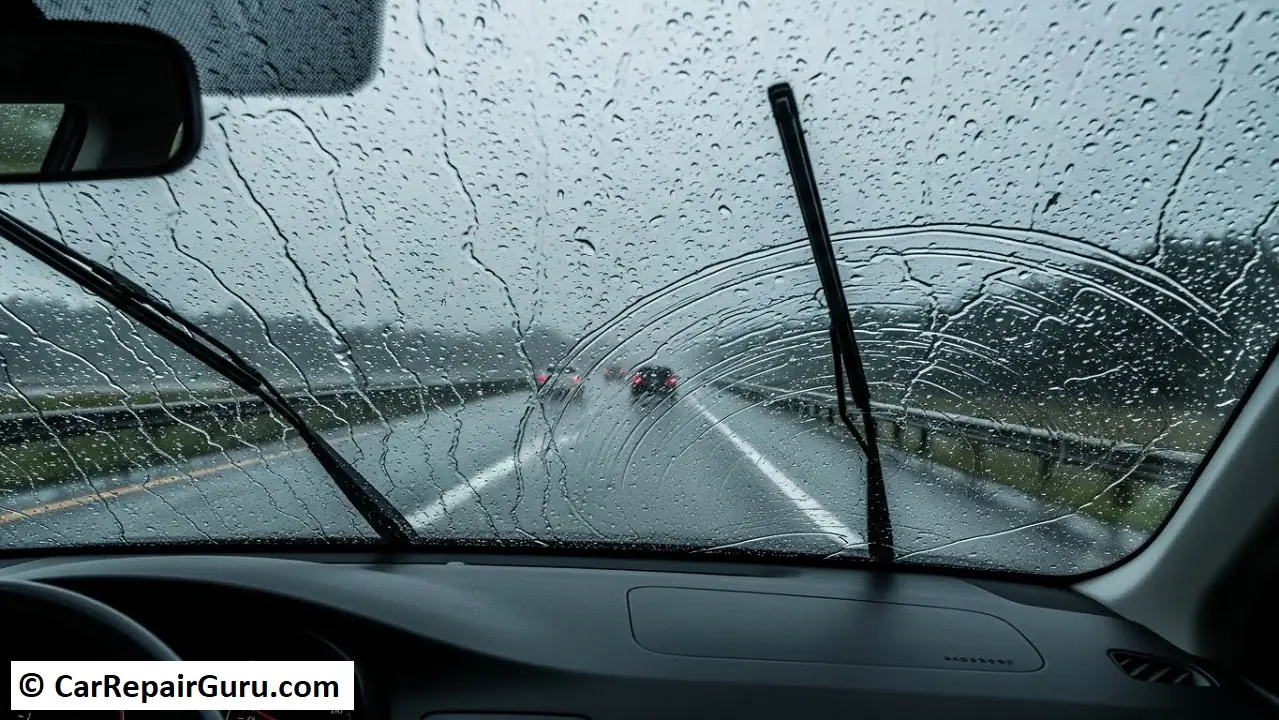
It’s a sound every driver knows: the sudden, heavy thump-thump-thump of a downpour on the windshield. Your knuckles whiten on the steering wheel, your focus narrows, and the easy cruise you were just enjoying becomes a high-stakes challenge.
Driving in heavy rain is one of the most demanding situations we face on the road. It’s a triple threat to your safety: visibility drops to near zero, the road’s grip on your tires weakens dramatically, and the terrifying risk of hydroplaning becomes a reality.
But fear isn’t a strategy. Preparation and knowledge are. This guide will provide you with actionable, step-by-step advice to prepare your vehicle, masterfully adjust your driving, and confidently handle the most common hazards of driving in heavy rain. Let’s get you home safely.
- Prepare Your Vehicle – Your First Line of Defense Against the Rain
- Check Your “Big Three” – Tires, Wipers, and Lights
- Plan Your Route and Check the Forecast
- Top Off Your Windshield Washer Fluid
- How to Drive in Rain – Adjust Your Habits for Wet Conditions
- Leveraging Your Car’s Technology to Stay Safe
- How Anti-Lock Brakes (ABS) and Traction Control (TC) Work for You
- Use Your Air Conditioning to Defog Windows Instantly
- A Warning on Advanced Driver-Assistance Systems (ADAS)
- The Greatest Dangers of Driving in Rain (And How to Beat Them)
- Hydroplaning – What It Is and How to React
- Floodwater Driving Safety – Turn Around, Don’t Drown®
- Know When to Pull Over – Your Safest Option
- Arrived Safely? Here’s What to Check on Your Car
- Test Your Brakes After Driving Through Deep Water
- Inspect for Hidden Debris and Damage
- Listen for New or Unusual Noises
- Wash Your Car to Maintain Visibility and Prevent Damage
- Drive Smart, Arrive Safe
- Frequently Asked Questions About Driving in Heavy Rain
- How Slow Should You Drive in Heavy Rain?
- Are Headlights Required When It’s Raining?
- What Is the First Thing to Do When Hydroplaning?
- Why Should Cruise Control Be Turned Off in the Rain?
- Is It Safe to Drive Through a Large Puddle?
Prepare Your Vehicle – Your First Line of Defense Against the Rain
The safest rainy-day drive begins long before the first drop falls. A few minutes of preparation can make the difference between a stressful trip and a safe arrival. Think of it as gearing up for battle against the elements.
Check Your “Big Three” – Tires, Wipers, and Lights
These three components are your direct connection to seeing, being seen, and staying in control.
Tires
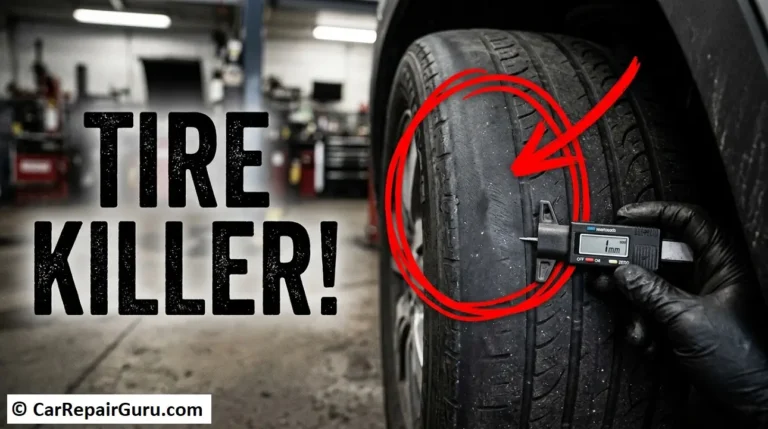
Your tires are designed with deep grooves to channel water away, keeping the rubber in contact with the pavement. When the tread is worn, they can’t clear water fast enough. The result? Hydroplaning. To ensure you have enough tire tread for rain, grab a penny. Place it upside down in a tire groove.
If you can see all of Abraham Lincoln’s head, your treads are too shallow, and it’s time for new tires. Also, check that your tire pressure is at the manufacturer’s recommended level for optimal grip.
Windshield Wipers
If your wipers leave streaks, skip across the glass, or make chattering noises, they aren’t clearing water effectively—they’re just making your visibility worse. Wipers are inexpensive and easy to replace, and a fresh set should be installed every 6 to 12 months.
Lights
In a downpour, your headlights aren’t just for you to see; they’re so others can see you. Walk around your car and ensure your headlights, taillights, brake lights, and turn signals are all shining brightly.
Plan Your Route and Check the Forecast
A quick look at a weather app can tell you if you’re heading into a light shower or a serious storm. If the forecast is severe, ask yourself: is this trip necessary right now? If you must go, check your navigation app for traffic updates, road closures, and known flood-prone areas. A slightly longer route on higher ground is always better than getting stuck.
Top Off Your Windshield Washer Fluid
Heavy rain kicks up an astonishing amount of road grime and oil, which gets sprayed onto your windshield by other cars. Your wipers alone can’t handle this greasy film. A full reservoir of washer fluid is a simple but critical tool for cutting through the muck and keeping your view clear.
How to Drive in Rain – Adjust Your Habits for Wet Conditions
Once you’re on the road, your driving habits need to change immediately. The goal is to be smooth, predictable, and defensive.
1. Slow Down Significantly
The posted speed limit is for ideal, dry conditions. In heavy rain, it’s a recipe for disaster. A good rule of thumb is to reduce your speed by at least one-third. If the speed limit is 65 mph, your safe driving speed in rain should be closer to 45 mph. This gives you more time to react and significantly reduces your risk of hydroplaning.
2. Increase Your Following Distance
On dry pavement, the “three-second rule” is standard. In the rain, you need to double it. The “five-second rule” is your new best friend. Watch the vehicle ahead of you pass a fixed object (like a signpost) and count “one-one-thousand, two-one-thousand…” until you pass the same object. If you don’t reach five, you’re too close. That extra space is your safety cushion for stopping.
3. Turn On Your Headlights (Even During the Day)
This is non-negotiable. In many states, it’s the law to have your headlights on whenever your wipers are in use. Low-beam headlights cut through the rain and spray, making your vehicle a visible presence to everyone else on the road.
4. Avoid Cruise Control at All Costs
Cruise control is designed to maintain a constant speed, which is the last thing you want on a slick surface. If you start to hydroplane, cruise control will keep the wheels spinning at a high rate, preventing you from regaining traction. Worse, some systems may even try to accelerate to maintain speed, making a bad situation catastrophic. Turn it off.
5. Make Smooth, Gentle Movements
Imagine you have a full cup of hot coffee on your dashboard. Drive in a way that won’t spill it. Avoid sudden braking, sharp turns, and aggressive acceleration. Every input should be deliberate and gentle to prevent breaking traction and causing a skid.
6. Watch for Large Vehicles and Road Spray
Trucks and buses displace a huge amount of water, creating a blinding wall of spray. When you see one ahead, hang back to stay out of its wake. When passing, do so quickly and safely, but be prepared for a moment of zero visibility as you move through the spray.
Leveraging Your Car’s Technology to Stay Safe
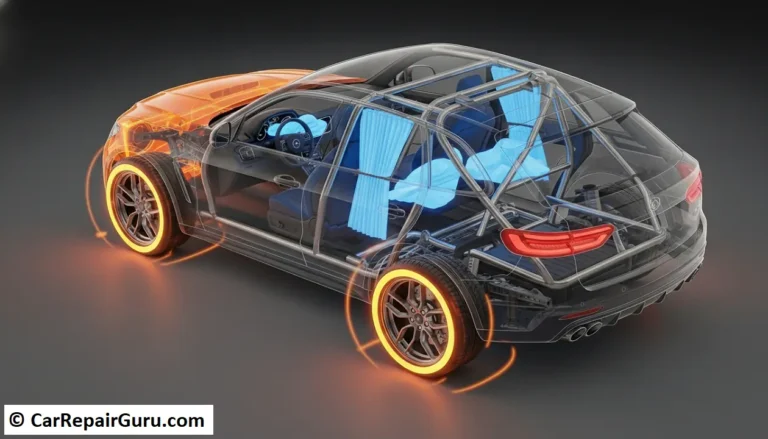
Modern vehicles are packed with safety features that truly shine in wet weather. Understanding what they do (and their limits) is key.
How Anti-Lock Brakes (ABS) and Traction Control (TC) Work for You
- ABS in rain is a lifesaver. If you need to brake hard, ABS will pump the brakes automatically and rapidly, preventing the wheels from locking up. This allows you to maintain steering control while braking, so you can steer around an obstacle instead of skidding straight into it. If you feel a pulsing in the brake pedal during a hard stop, that’s ABS doing its job—keep firm pressure on the pedal.
- Traction Control on wet roads prevents your wheels from spinning when you accelerate. If it detects a wheel slipping, it will reduce engine power or apply the brake to that wheel until it regains grip. This is especially helpful when starting from a stoplight on a slick, oily intersection.
Use Your Air Conditioning to Defog Windows Instantly
As rain cools the outside of your car, the warmth and moisture from your breath can cause the inside of your windows to fog up instantly, destroying your visibility. Don’t just blast the heat. Turn on your air conditioner. The A/C system acts as a dehumidifier, pulling moisture from the air and clearing the fog in seconds. Direct the vents toward the windshield for the fastest results.
A Warning on Advanced Driver-Assistance Systems (ADAS)
Features like Lane-Keeping Assist and Adaptive Cruise Control rely on cameras and sensors. Heavy rain, road spray, and fog can easily obscure them, making these systems unreliable or causing them to shut off without warning. Use them as a backup, but never rely on them in a storm. Your eyes and your brain are still the most important safety features in the car.
The Greatest Dangers of Driving in Rain (And How to Beat Them)
There are two hazards that stand above all others in a downpour. Here’s what they are and how to react.
Hydroplaning – What It Is and How to React
Hydroplaning happens when a layer of water builds up between your tires and the road surface. Your tires lose contact with the road, and you are effectively waterskiing—with no steering or braking control. It can happen at speeds as low as 35 mph with worn tires.
If you feel the steering suddenly go light and the back of your car start to drift, here is exactly what to do:
- DO NOT SLAM THE BRAKES. This is the most important rule. Braking will lock the wheels and make the skid worse.
- Ease your foot off the accelerator. Let the car slow down on its own. As speed decreases, the tires will cut back through the water and regain contact with the road.
- Hold the steering wheel straight. Don’t make any sudden steering changes. Your front wheels are still pointed where you want to go.
- Wait for traction. You will feel a slight jolt as the tires grip the pavement again. Only then should you make small, gentle steering corrections to get back on track.
Floodwater Driving Safety – Turn Around, Don’t Drown®
You see a large, flooded section of road ahead. It doesn’t look that deep. You think you can make it. Don’t do it. This is one of the most dangerous decisions a driver can make.
You must never drive through flooded roads. Here’s why:
- It takes just 6 inches of water to reach the bottom of most passenger cars, potentially causing stalling and engine damage.
- 12 inches of water can float many vehicles.
- Two feet of rushing water can sweep away most vehicles, including SUVs and pickups.
The water’s surface hides the truth. You cannot see how deep it is, how fast it’s moving, or if the road underneath has been washed away entirely. The choice is simple: Turn Around, Don’t Drown®.
Know When to Pull Over – Your Safest Option
Sometimes, the conditions are just too severe. Your ego is not worth your life. If you experience any of the following, it’s time to stop:
- Your windshield wipers can’t keep up with the volume of rain.
- You can’t see the edges of the road or the taillights of cars a safe distance ahead.
- You feel overwhelmed, panicked, or are no longer confident in your ability to control the vehicle.
Find a safe place like a rest stop or a well-lit, high-ground parking lot. If you must stop on the shoulder, pull as far away from traffic as possible, turn on your hazard lights, and keep your seatbelt fastened.
Arrived Safely? Here’s What to Check on Your Car
Your journey doesn’t end when you turn off the ignition. The storm put your vehicle through its paces, and a quick post-drive check can prevent future problems and ensure you’re ready for the next drive, rain or shine.
Test Your Brakes After Driving Through Deep Water
If you drove through any unavoidable standing water (not a flooded road, but large puddles), your brake pads and rotors will be wet. This significantly reduces their effectiveness. Before you merge back into traffic on your next trip, gently tap your brakes a few times at a low speed. This will help squeeze out the water and dry the components, restoring their full stopping power.
Inspect for Hidden Debris and Damage
Storms can wash all sorts of debris into the road. Take a quick walk around your car and look at the front grille, under the bumper, and in the wheel wells. It’s common to find leaves, plastic bags, or even small branches lodged in these areas. Removing them prevents them from restricting airflow to your radiator or interfering with your suspension.
Listen for New or Unusual Noises
On your next drive, turn the radio down and listen carefully. Water can be surprisingly invasive. If you hear any new grinding, squeaking, or high-pitched whining noises, it could be a sign that water has penetrated a sensitive component like a wheel bearing or a belt pulley. Catching these sounds early can save you from a more expensive repair down the road.
Wash Your Car to Maintain Visibility and Prevent Damage
Contrary to what you might think, heavy rain doesn’t clean your car—it bombards it with a mixture of dirt, oil, and road grit. This film doesn’t just look bad; it’s a safety hazard. It can create a hazy glare on your windshield at night and cake over your headlights and taillights, dimming their brightness.
For modern vehicles, this grime can block the very cameras and sensors your ADAS features rely on. A quick wash restores full visibility and removes potentially corrosive elements that can damage your car’s paint over time.
Drive Smart, Arrive Safe
Safety in a downpour is a series of deliberate choices, beginning with a well-prepared vehicle. On the road, this translates into trading speed for space and aggression for smooth, defensive driving. Your conscious actions are what create a vital buffer against the storm, keeping you in full control.
This cautious approach is your best defense against hazards like hydroplaning and flooded roads. Remember that the ultimate goal is not just to get there, but to arrive without incident. Prioritizing safety over your schedule is the most critical decision you can make behind the wheel.
Frequently Asked Questions About Driving in Heavy Rain
How Slow Should You Drive in Heavy Rain?
Reduce your speed by at least one-third of the posted limit and slow down even more if visibility is poor. This increases your reaction time and helps prevent hydroplaning.
Are Headlights Required When It’s Raining?
Yes, in most states the law is “wipers on, lights on.” Your headlights are crucial for helping other drivers see you through the rain and road spray.
What Is the First Thing to Do When Hydroplaning?
Immediately and smoothly take your foot off the accelerator. Do not brake or turn the wheel sharply, as this can cause a complete loss of control.
Why Should Cruise Control Be Turned Off in the Rain?
Cruise control can cause your wheels to keep spinning or even accelerate during a hydroplane. Keeping it off ensures you have total command over your car’s speed.
Is It Safe to Drive Through a Large Puddle?
No, you should always avoid driving through standing water. It’s impossible to know its depth or see hidden dangers like deep potholes or debris underneath.
About the Author