Marco
Marco 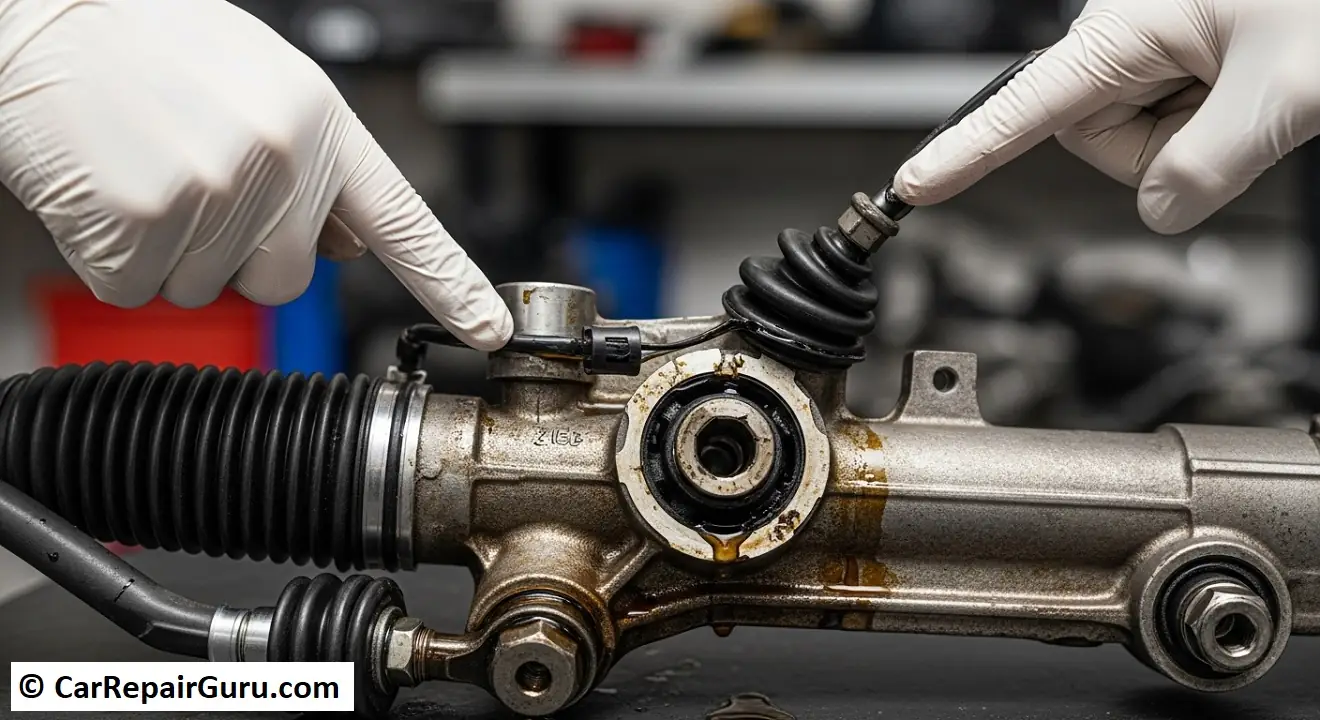
Is your car developing a mind of its own lately? Maybe you’ve noticed a strange grinding noise when you turn, or the steering wheel feels unusually stiff. These aren’t just minor annoyances; they’re often your vehicle’s way of telling you there’s a problem with a critical component: the steering rack.
Your steering rack is the unsung hero of your car’s control system. It’s the direct link between your hands on the steering wheel and the wheels on the road. When it starts to fail, it can compromise not just your car’s performance, but your safety.
This guide will walk you through everything you need to know about steering rack issues. We’ll cover the top 7 warning signs, explain what causes them to fail, and break down the potential replacement costs so you can make an informed decision.
- What is a Steering Rack and What Does It Do?
- The Top 7 Symptoms of a Bad Steering Rack
- 1. Stiff or Difficult Steering
- 2. Leaking Power Steering Fluid
- 3. Grinding or Clunking Noises When Turning
- 4. A “Wandering” or “Loose” Steering Feeling
- 5. Uneven or Excessive Tire Wear
- 6. A Burning Oil Smell
- 7. “Dead Spot” in the Steering
- Common Causes of Steering Rack Failure
- Diagnosing a Bad Steering Rack: How Mechanics Pinpoint the Problem
- Is It Safe to Drive with a Bad Steering Rack?
- Steering Rack Replacement Cost: A Complete Breakdown
- DIY vs. Professional Replacement: What You Need to Know
- Preventative Maintenance: How to Make Your Steering Rack Last Longer
- Don’t Ignore the Warning Signs
- Frequently Asked Questions (FAQ)
- What’s the difference between a bad steering rack and a bad pump?
- How long does a steering rack last?
- Is it safe to continue driving with a bad steering rack?
- Will a wheel alignment fix a steering rack problem?
- What is the most common sign of a bad steering rack?
What is a Steering Rack and What Does It Do?
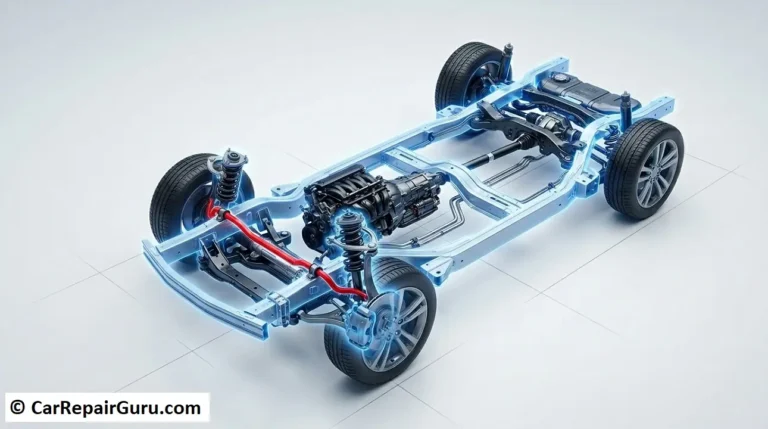
Before we dive into the problems, let’s quickly understand what we’re dealing with. Most modern cars use a “rack and pinion” steering system. Think of it as a simple, clever translator:
- The pinion is a small gear connected to your steering column. When you turn the wheel, it spins.
- The rack is a long, flat bar with teeth that meshes with the pinion. As the pinion gear spins, it moves the rack left or right.
This left-or-right motion is what pushes and pulls on your tie rods, ultimately turning your wheels. In a power steering system, this rack is housed within a cylinder filled with high-pressure fluid, which provides the assistance that makes turning the wheel feel effortless.
In short, the steering rack turns your small rotational input into the powerful linear force needed to guide a two-ton vehicle.
The Top 7 Symptoms of a Bad Steering Rack
If your steering rack is failing, it will almost always give you warning signs. Paying attention to these symptoms is key to catching the problem before it becomes a serious safety hazard.
1. Stiff or Difficult Steering
One of the most immediate bad steering rack symptoms is a steering wheel that suddenly feels heavy and difficult to turn. You might notice it most at low speeds, like when you’re navigating a parking lot.
- What it feels like: It feels like the power steering has suddenly cut out, requiring significantly more muscle to turn the wheel.
- Why it happens: This is often caused by a loss of hydraulic pressure. The seals inside the steering rack may have failed, preventing the power steering fluid from providing the necessary assistance. It can also be caused by an internal jam or binding within the rack’s gears.
2. Leaking Power Steering Fluid
This is the most common and obvious sign of power steering rack problems. If you see a puddle of reddish or pinkish-brown fluid under the front of your car, a leaking steering rack is a prime suspect.
- What to look for: Check the ground where you normally park. The leak will typically be located under the engine area, somewhere between the front wheels.
- Why it happens: The steering rack contains several high-pressure seals. Over time, heat and contamination cause these seals to become hard and brittle, allowing pressurized fluid to escape.
3. Grinding or Clunking Noises When Turning
Your car should be relatively quiet when you turn the wheel. If you start hearing a distinct steering rack noise, it’s a clear sign of an internal issue.
- What it sounds like: A deep grinding noise when turning or a loud “clunk” or “thud.” The noise is often most noticeable when you turn the wheel and while the car is stationary or moving slowly.
- Why it happens: This sound indicates metal-on-metal contact. The gears inside the rack and pinion assembly are likely worn out, causing them to slip or bind instead of meshing smoothly.
4. A “Wandering” or “Loose” Steering Feeling
Does your car wander on the road, forcing you to make constant small corrections to the steering wheel just to drive straight? This “loose” or vague feeling is a classic sign of a worn-out steering rack.
- What it feels like: The steering feels imprecise and disconnected. There’s a noticeable delay or “slop” between when you turn the wheel and when the car actually responds.
- Why it happens: As the gears inside the rack wear down, they no longer fit together tightly. This creates “play” in the system, which you feel as looseness in the steering wheel.
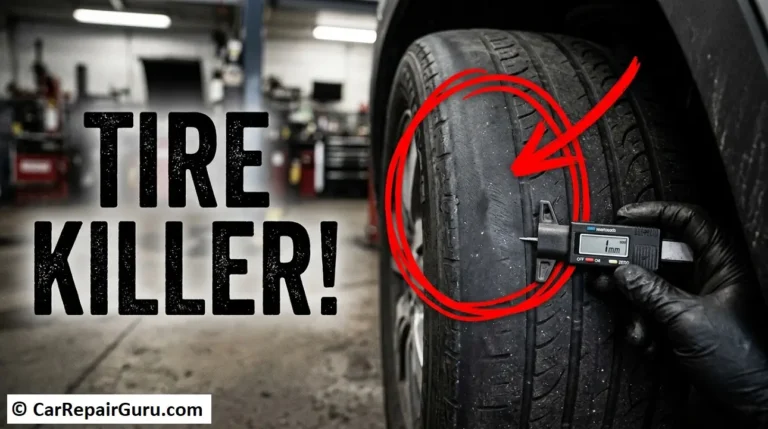
5. Uneven or Excessive Tire Wear
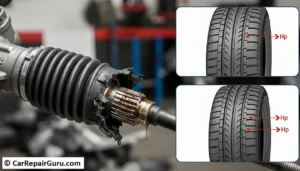
Take a look at your front tires. Are the inside or outside edges wearing down much faster than the center? While this can be a sign of a bad alignment, a faulty steering rack can be the root cause.
- What to look for: “Feathered” or “scalloped” wear patterns on the edges of the front tires.
- Why it happens: A worn steering rack can’t hold the wheels in the correct position. This throws off the wheel alignment, specifically the “toe” angle, causing the tires to drag or scrub against the pavement as you drive.
6. A Burning Oil Smell
If you notice a burning smell, similar to burnt oil, after you’ve been driving, it could be power steering fluid.
- What to smell for: A sharp, acrid burning smell coming from the engine bay.
- Why it happens: A leaking steering rack can drip power steering fluid directly onto hot components like the exhaust manifold or catalytic converter. When the fluid hits these hot surfaces, it burns off, creating a distinct and unpleasant odor.
7. “Dead Spot” in the Steering
This is a more subtle but equally serious symptom. A “dead spot” is a small area of rotation, usually near the center, where turning the steering wheel produces no response from the wheels.
- What it feels like: You can move the wheel an inch or two in either direction from the center position before you feel the steering engage.
- Why it happens: This is caused by severe wear on the teeth in the very center of the rack—the section that is used most often during straight-line driving.
Common Causes of Steering Rack Failure
Steering racks don’t usually fail overnight. The damage is often gradual, caused by a combination of factors:
- Contaminated Fluid: Over time, tiny metal particles and bits of degraded seals contaminate the power steering fluid. This abrasive fluid acts like liquid sandpaper, wearing down internal components.
- Leaking Seals: Age, heat, and pressure are the enemies of rubber seals. As they harden and crack, they can no longer contain the high-pressure fluid, leading to leaks and a loss of steering assist.
- Impact Damage: Hitting a deep pothole, smacking a curb, or being in a minor accident can bend tie rods or, in severe cases, damage the internal gearing of the rack itself.
- Normal Wear and Tear: A steering rack is a hard-working mechanical part. After 100,000 to 150,000 miles of constant turning and vibration, the gears and bushings simply wear out.
Diagnosing a Bad Steering Rack: How Mechanics Pinpoint the Problem
Because many steering and suspension components can cause similar symptoms, a proper diagnosis is crucial to avoid replacing the wrong part. When you bring your car to a professional, they won’t just guess; they’ll perform a series of tests to confirm that the steering rack is the true culprit.
Here’s a look at how mechanics pinpoint the problem:
- 1. The Visual Inspection: The first step is always a thorough visual check. A technician will lift the vehicle and inspect the entire steering system for obvious signs of trouble. This includes looking for active fluid leaks, grime buildup from old leaks, and torn or cracked rubber boots on the rack and tie rod ends. A damaged boot is a major red flag, as it allows dirt and water to enter and destroy the rack’s internal components.
- 2. The “Dry Park” Test: This is a classic diagnostic technique. With the engine off, one person will rock the steering wheel back and forth just enough to take up any slack. At the same time, another person under the car will watch and feel the connection points—specifically the inner tie rods where they screw into the steering rack. If they can see or feel movement or hear a clunk before the wheels start to move, it confirms there is excessive internal wear inside the rack.
- 3. Ruling Out Other Culprits: A good mechanic knows that what feels like a bad steering rack could actually be something else. They will methodically check other related parts to rule them out, including:
- Worn Tie Rod Ends: These connect the steering rack to your wheels. When worn, they can cause wandering, clunking, and tire wear.
- Bad Ball Joints: These pivot points in your suspension can cause clunking noises and vague steering when they fail.
- Failing Power Steering Pump: As we mentioned, this is the primary cause of whining noises and is a common source of stiff steering, but it won’t cause the car to wander.
- Worn Control Arm Bushings: Degraded rubber bushings in the suspension can create a loose feeling or make clunking sounds over bumps, which can sometimes be mistaken for steering issues.
This systematic approach ensures an accurate diagnosis, saving you time and money by fixing the right problem the first time.
Is It Safe to Drive with a Bad Steering Rack?
The short answer is no. Ignoring steering rack issues is not just risky—it’s dangerous. A worn steering rack can lead to a sudden and complete loss of steering control. Imagine trying to make an emergency maneuver and the steering failing to respond. The consequences could be catastrophic.
If you suspect a problem, the safest course of action is to have your vehicle inspected by a certified mechanic immediately.
Steering Rack Replacement Cost: A Complete Breakdown
Because it’s a complex and labor-intensive job, the cost to replace a steering rack and pinion can be significant. On average, you can expect the total steering rack replacement cost to fall between $800 and $2,500.
Here’s what goes into that price:
- Parts Cost ($400 – $1,200+): The price of the rack itself varies wildly depending on your vehicle’s make and model. A rack for a common domestic sedan will be much cheaper than one for a European luxury car. You can choose between OEM (Original Equipment Manufacturer) and aftermarket parts.
- Labor Cost ($400 – $800+): This is where a large portion of the cost comes from. Replacing a steering rack can take a mechanic anywhere from 3 to 6 hours, as it often requires removing other components to access it.
- Additional Costs ($100 – $250): A four-wheel alignment is absolutely mandatory after a steering rack replacement to ensure the car drives straight and doesn’t destroy your tires. You will also need new power steering fluid and potentially a system flush.
DIY vs. Professional Replacement: What You Need to Know
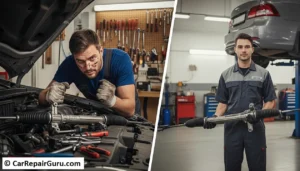
While it may be tempting to save on labor costs, replacing a steering rack is an advanced job that should not be attempted by a novice. It requires specialized tools like tie rod pullers and flare nut wrenches, the ability to safely lift and secure the vehicle, and the knowledge to properly bleed the power steering system.
Our recommendation: For a component this critical to your safety, leave the replacement to a professional. The peace of mind that comes with knowing the job was done correctly is well worth the cost.
Preventative Maintenance: How to Make Your Steering Rack Last Longer
While every mechanical part will eventually wear out, you can take several proactive steps to significantly extend the life of your steering rack and the entire power steering system. Think of it as cheap insurance against a very expensive repair.
1. Regular Power Steering Fluid Flushes
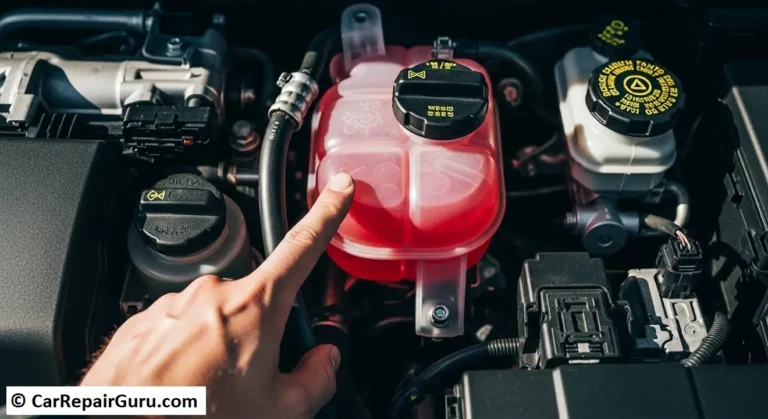
This is the single most important thing you can do. Over time, power steering fluid breaks down and becomes contaminated with microscopic metal particles and bits of degraded rubber seals. This dirty fluid acts like liquid sandpaper, accelerating wear on the rack and pump. A power steering fluid flush, typically recommended every 30,000 to 60,000 miles, removes this harmful debris and replenishes the system with fresh fluid and conditioners.
2. Use the Correct Type of Fluid
Not all power steering fluids are created equal. Your vehicle’s manufacturer specifies a very particular type of fluid with the right viscosity and additives for its system. Using a generic, “one-size-fits-all” fluid can damage seals and lead to premature failure. Always check your owner’s manual and use the exact fluid required.
3. Avoid “Dry Steering”
“Dry steering” is the act of turning the steering wheel while the car is completely stationary. This action puts the absolute maximum amount of stress on the steering rack’s gears and the power steering pump. To reduce this strain, try to have the car rolling, even just an inch or two, before you make significant turns.
4. Address Leaks Immediately
A small power steering fluid leak is a major warning sign. Don’t just keep topping off the fluid. Driving with a low fluid level will cause the pump to run dry, leading to overheating and rapid, catastrophic damage to both the pump and the steering rack. A small seal repair is far cheaper than replacing the entire system.
Don’t Ignore the Warning Signs
Your car’s steering system is not something to gamble with. The symptoms of a failing steering rack are clear warnings that a critical safety system needs attention. If your steering feels stiff, your car is making strange noises when you turn, or you’ve spotted a fluid leak, don’t wait for the problem to get worse.
Experiencing any of these issues? Schedule an inspection with one of our certified technicians today! We’ll diagnose the problem accurately and get you back on the road safely.
Frequently Asked Questions (FAQ)
What’s the difference between a bad steering rack and a bad pump?
A failing power steering pump typically causes a whining noise that changes with engine RPM. A bad steering rack is more associated with clunking noises, fluid leaks from the rack boots, and a wandering or loose steering feel.
How long does a steering rack last?
A steering rack can often last 100,000 to 150,000 miles, but this varies based on driving habits and road conditions. Regular power steering fluid maintenance is the best way to maximize its lifespan and prevent premature failure.
Is it safe to continue driving with a bad steering rack?
No, it is extremely unsafe and is not recommended under any circumstances. A failing rack can lead to a sudden and complete loss of steering control, creating a serious risk of an accident for you and others on the road.
Will a wheel alignment fix a steering rack problem?
A wheel alignment cannot fix a worn or damaged steering rack. An alignment only adjusts the angles of your tires; it is a necessary step after the new steering rack has been installed, but it is not a solution for the faulty part itself.
What is the most common sign of a bad steering rack?
The most common and definitive sign of a bad steering rack is a power steering fluid leak. This leak typically comes from the seals at the end of the rack, often dripping from the rubber bellows boots onto the ground.
About the Author