Marco
Marco 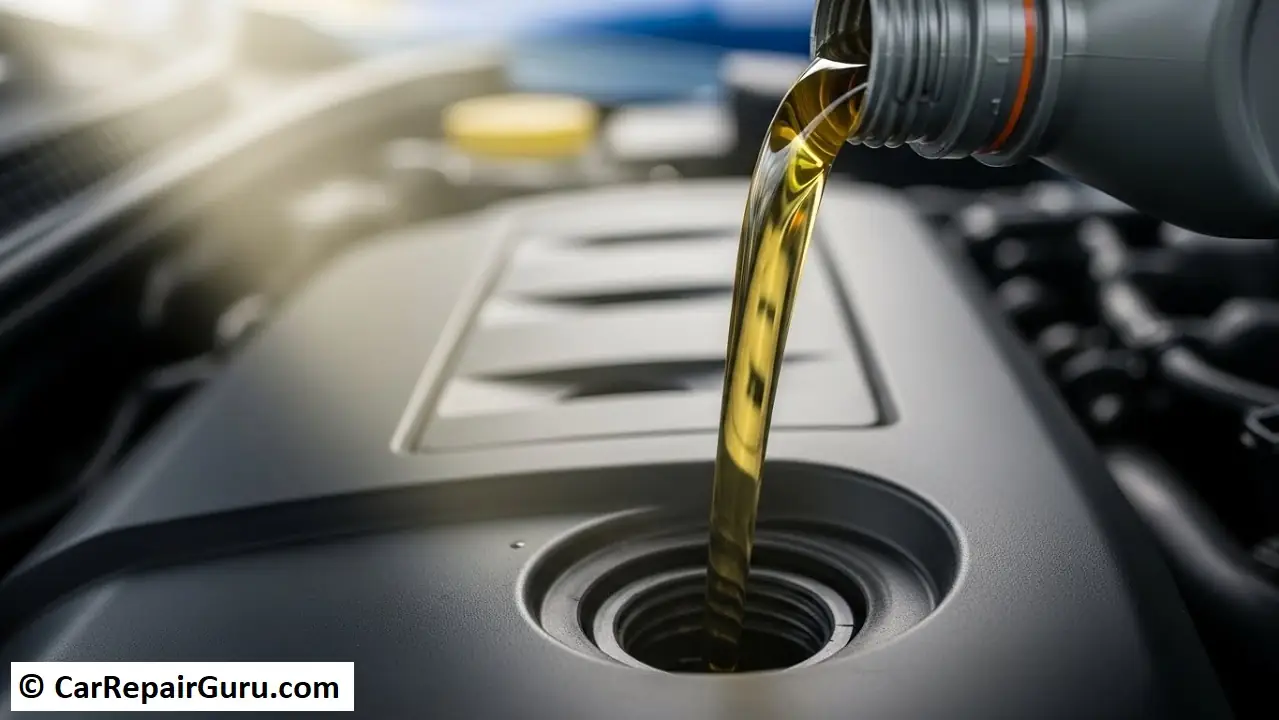
Let’s be honest, car maintenance can be confusing. And right at the top of that list is the big question: “How often do I actually need to change my oil?”
For decades, the answer was drilled into our heads: every 3,000 miles. It was simple, easy to remember, and it’s a rule many people still follow today. But what if we told you that, for most cars on the road, that rule is a myth?
The truth is, modern cars and advanced engine oils have made the 3,000-mile oil change largely obsolete. Sticking to that outdated schedule could mean you’re wasting both time and money.
So, what’s the real answer? It’s not a single number—it’s better. The correct oil change frequency is personalized to your car, the type of oil you use, and even the way you drive. This guide will walk you through everything you need to know to create the perfect oil change schedule for your vehicle.
- The Short Answer – Modern Oil Change Intervals
- Debunking the 3,000-Mile Oil Change Myth
- The 4 Key Factors That Determine Your Oil Change Frequency
- 1. Your Vehicle’s Manufacturer Recommendations
- 2. The Type of Oil You Use
- 3. Your Driving Habits & Conditions
- 4. The Age and Condition of Your Engine
- Signs That Indicate It’s Time for an Oil Change
- Dashboard Warning Light
- Dark and Dirty Oil
- Engine Noise and Knocking
- Exhaust Smoke
- Smell of Oil Inside the Car
- The Top 5 Benefits of Changing Your Oil on Time
- What Happens if You Don’t Change Your Oil?
- How to Extend the Life of Your Oil (And Your Engine)
- The Bottom Line – Listen to Your Car
- Frequently Asked Questions (FAQ)
- Oil Changes for Low-Mileage Cars
- Switching Between Synthetic and Conventional Oil
- Can I Go Longer Than the Recommended Interval?
- Is More Expensive Oil Better for My Car?
- Oil Change Frequency for High-Mileage Cars
The Short Answer – Modern Oil Change Intervals
If you’re just looking for a quick baseline, here are the general guidelines for today’s vehicles:
- Conventional Oil: Every 5,000 to 7,500 miles.
- Full Synthetic Oil: Every 7,500 to 15,000 miles (or sometimes even more).
But here’s the most important takeaway of this entire article: These are just general ranges. The number one, most accurate source of information for your specific vehicle is always your owner’s manual.
Debunking the 3,000-Mile Oil Change Myth
So, where did the 3,000-mile rule even come from? It wasn’t just pulled out of thin air. Decades ago, it was sound advice. Here’s why:
- Older Engine Technology: Engines used to be built with less precise parts and ran hotter and dirtier.
- Less Advanced Oils: Conventional oils of the past were less resistant to breaking down under heat and stress.
- Carbureted Engines: Older engines used carburetors, which were less efficient and often contaminated the oil with fuel.
Quick-lube shops and marketing campaigns kept this idea alive because it was simple and, frankly, good for business. But today, engine technology and oil chemistry have leaped forward. Modern fuel-injected engines are incredibly efficient, and synthetic oils are engineered to last much, much longer while providing superior protection.
The 4 Key Factors That Determine Your Oil Change Frequency
To find your car’s perfect oil change interval, you need to consider four key things. Think of it as a simple formula for engine health.
1. Your Vehicle’s Manufacturer Recommendations
If you remember nothing else, remember this: your owner’s manual is your best friend.
Your car’s manufacturer spent countless hours and millions of dollars testing its engines with specific types of oil to determine the optimal schedule for performance and longevity. They know your car better than anyone. Look in the index of your manual under “Maintenance Schedule” or “Oil Change” to find a clear recommendation in miles and months.
What About My Car’s Oil Life Monitor?
Many modern cars are equipped with an Oil Life Monitoring System (OLMS). This is the little dashboard light or percentage display that tells you when to change your oil. It’s far more sophisticated than a simple mileage counter; it tracks engine revolutions, operating temperatures, and miles driven to calculate the actual stress put on your oil. If your car has one, trust it. It’s the most accurate tool you have.
2. The Type of Oil You Use
Not all oil is created equal. The type of oil flowing through your engine is a major factor in how long it will last.
- Conventional Oil: This is the most basic, traditional oil. It’s refined from crude oil and provides good, standard lubrication but breaks down faster, requiring more frequent changes.
- Synthetic Blend Oil: A mix of conventional and synthetic oils. It offers better protection and a longer lifespan than conventional oil for a small increase in price.
- Full Synthetic Oil: This is a man-made oil engineered in a lab for maximum performance. It offers the best protection against engine wear, performs exceptionally well in extreme heat and cold, and has the longest oil change interval.
3. Your Driving Habits & Conditions
How you drive has a massive impact on your oil’s lifespan. Most owner’s manuals list two maintenance schedules: one for “normal” and one for “severe” driving. Here’s the catch: what sounds “severe” is actually how most of us drive every day.
You likely fall under the severe driving category if you frequently:
- Take short trips (under 5-10 miles).
- Drive in heavy stop-and-go city traffic.
- Live in areas with extreme heat or extreme cold.
- Tow a trailer or haul heavy loads.
- Drive on dusty, muddy, or gravel roads.
If any of these apply to you, you should follow the shorter oil change interval listed in your manual.
4. The Age and Condition of Your Engine
As a car gets older, its engine components can start to wear. For high-mileage cars (typically over 100,000 miles), it’s a good idea to check your oil level more frequently and consider using a “high-mileage” oil, which contains additives to help condition old seals.
Signs That Indicate It’s Time for an Oil Change
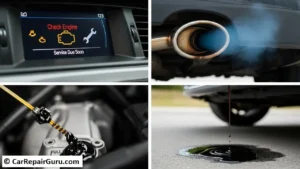
Beyond the sticker on your windshield, your car has its own ways of telling you it needs fresh oil. Learning to spot these warning signs can help you prevent minor issues from becoming major problems.
Dashboard Warning Light
The most obvious sign. If the oil pressure warning light (looks like an oil can) comes on while driving, pull over safely and turn off the engine immediately to prevent severe damage.
Dark and Dirty Oil
Check the dipstick. Fresh oil is a transparent amber color. If the oil on the dipstick is opaque, thick, or gritty, it’s saturated with contaminants and ready to be replaced.
Engine Noise and Knocking
If you hear a rumbling or ticking sound from the engine, it could mean your oil is no longer providing an adequate lubricating barrier between metal parts.
Exhaust Smoke
Bluish or grayish smoke coming from your tailpipe often indicates that oil is leaking into the engine’s combustion chambers and being burned with the fuel.
Smell of Oil Inside the Car
A burning oil smell could mean oil is leaking onto hot engine parts. Check your oil level and have a mechanic inspect for the source of the leak.
The Top 5 Benefits of Changing Your Oil on Time
An oil change is far more than just routine maintenance. It’s a proactive investment in your car’s health. Here are the tangible benefits you get from sticking to a proper schedule.
- Maintains Peak Engine Performance: Fresh oil provides the best possible lubrication, reducing friction and allowing your engine to run smoother, quieter, and more efficiently.
- Keeps the Engine Clean: Regular oil changes remove dirt, debris, and harmful sludge, preventing clogs that can starve parts of the engine from lubrication.
- Improves Your Gas Mileage: Old, thick oil creates more “drag,” forcing the engine to work harder and burn more fuel. A clean engine is an efficient engine.
- Extends the Life of Your Vehicle: The engine is the heart of your car. Regular oil changes are the single most important thing you can do to prevent premature wear and tear, ensuring it lasts for many years to come.
- Cools Engine Components: Oil plays a crucial role in drawing heat away from critical parts like pistons. Old oil can’t transfer heat effectively, increasing the risk of overheating.
What Happens if You Don’t Change Your Oil?
Skipping oil changes is one of the worst things you can do for your car. When oil gets old, it loses its ability to lubricate, clean, and cool. This leads to:
- Sludge Buildup: Old oil turns into a thick goo that clogs narrow passages in the engine.
- Increased Friction & Heat: Without proper lubrication, engine parts grind against each other, creating intense heat.
- Engine Damage: This friction and heat will warp and damage critical components.
- Complete Engine Failure: Eventually, the engine will overheat and seize. This is a catastrophic failure that often requires a full engine replacement costing thousands of dollars.
How to Extend the Life of Your Oil (And Your Engine)
While you should never go beyond your recommended interval, you can take steps to ensure your oil stays healthier for longer within that timeframe.
- Upgrade to a High-Quality Synthetic Oil: Synthetics are engineered to resist thermal breakdown far better than conventional oils, especially under severe driving conditions.
- Improve Your Driving Habits: Combine short errands into one longer trip to allow the engine to fully warm up, which helps burn off moisture that contaminates oil. Drive smoothly and avoid excessive idling.
- Use the Correct Type of Oil: Always use the specific oil viscosity grade (e.g., 5W-20) recommended in your owner’s manual.
- Keep Your Engine in Good Shape: Ensure your cooling system is working properly and your air filter is clean to prevent contaminants from entering the engine.
The Bottom Line – Listen to Your Car
The old 3,000-mile rule is a relic of the past. The smartest way to care for your engine is to follow a modern, personalized approach.
To recap:
- Your owner’s manual is the ultimate guide.
- Trust your car’s oil life monitoring system if it has one.
- Consider your driving habits—most of us are “severe” drivers.
- Use a quality oil that meets your manufacturer’s specifications.
Don’t guess when it comes to your car’s health. Take a few minutes today to check your owner’s manual or your dashboard. Your engine will thank you for it with years of reliable performance.
Frequently Asked Questions (FAQ)
Oil Changes for Low-Mileage Cars
Yes, oil degrades over time from moisture and oxidation, not just from miles driven. It is essential to change your oil at least once a year, even if your car sits for long periods.
Switching Between Synthetic and Conventional Oil
Absolutely. It is perfectly safe to switch between oil types at any time. Upgrading from conventional to a full synthetic oil can provide your engine with enhanced protection and performance.
Can I Go Longer Than the Recommended Interval?
This is not recommended. Manufacturers determine the ideal interval for engine health and longevity. Stretching it risks sludge buildup and premature engine wear for very minimal savings.
Is More Expensive Oil Better for My Car?
Not necessarily. The most important factor is using an oil that meets the specifications in your owner’s manual. Premium synthetic oils offer added benefits for high-performance or hard-working vehicles.
Oil Change Frequency for High-Mileage Cars
Older engines may benefit from slightly shorter intervals. High-mileage cars can consume more oil, so checking the level frequently and ensuring the oil is fresh helps protect aging engine components.
About the Author