Car Battery Check: A Step-by-Step Guide to Test, Diagnose & Maintain Your Battery
 Marco Riley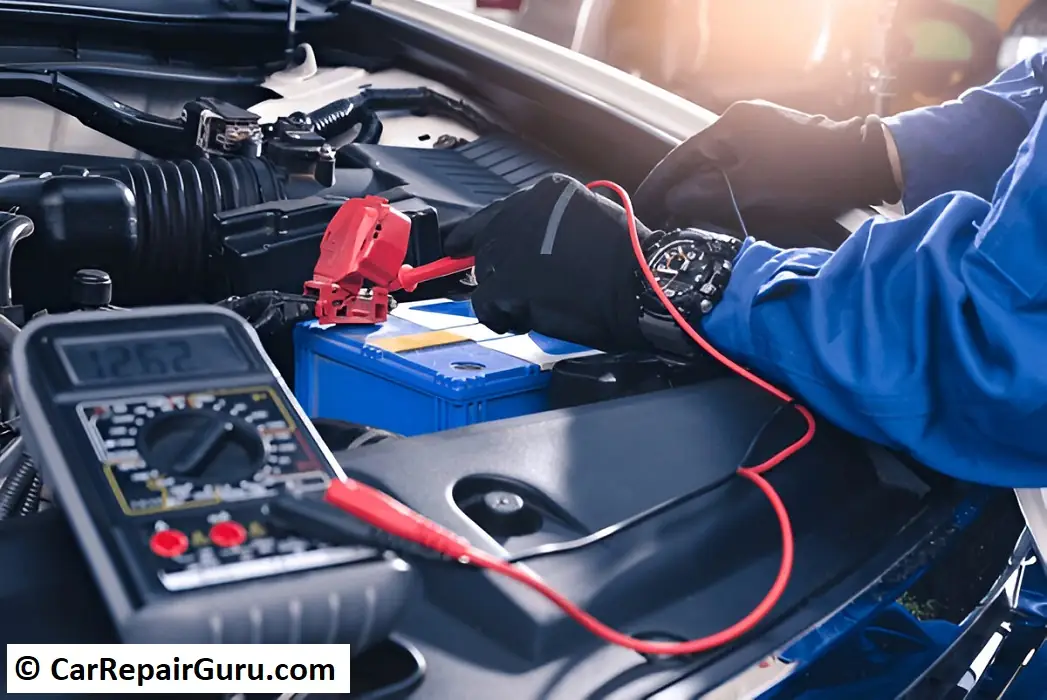
Your car battery is the heart of your vehicle’s electrical system. Without it, your engine won’t start, and essential components like headlights, power windows, and the radio won’t function. That’s why performing a car battery check regularly is crucial—it helps you avoid getting stranded with a dead battery at the worst possible time.
A weak or failing battery can show early warning signs, such as slow engine cranks, dim lights, or issues with electrical accessories. By learning how to perform a car battery test using simple tools like a multimeter or a battery load tester, you can ensure your battery is in good health.
This guide will walk you through the steps of checking your battery, identifying potential problems, and maintaining it for longevity. Whether you’re dealing with cold weather battery problems or simply want to maximize battery life, this comprehensive guide has you covered.
Signs You Need a Car Battery Check
A failing battery often gives warning signs before it dies completely. Recognizing these early symptoms can help you avoid unexpected breakdowns. Here are key indicators that it’s time for a car battery check:
Slow Engine Crank
If your engine takes longer than usual to start, it could mean your battery lacks sufficient charge. A weak battery struggles to provide enough power, especially in cold weather, leading to sluggish cranking.
Dim Lights & Electrical Issues
Your car’s battery powers all electrical components, from headlights to power windows. If you notice dim headlights, flickering dashboard lights, or malfunctioning electronics, your battery charge retention may be low.
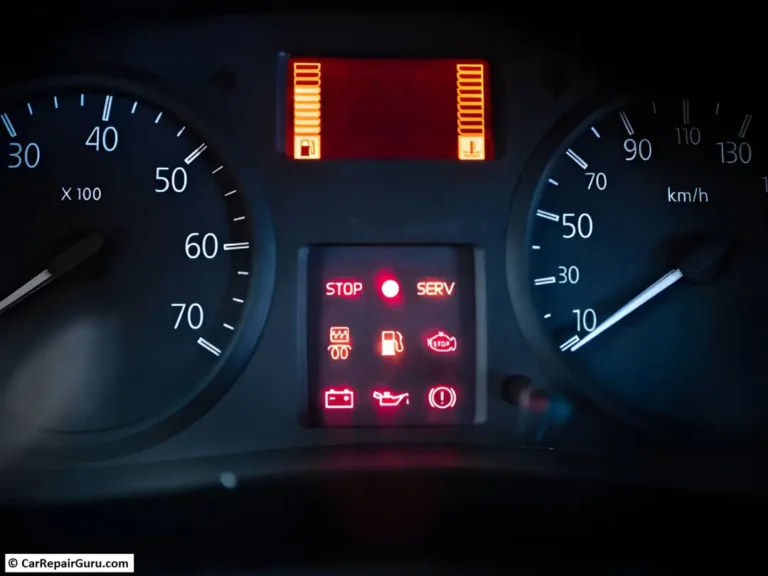
Check Engine Light
Sometimes, a weak battery can trigger the check engine light. While this warning has multiple causes, a car battery test can help determine if the issue is battery-related.
Corroded Battery Terminals
If you see white, green, or bluish buildup on the battery terminals, corrosion may be affecting the connection. This can lead to battery efficiency issues and poor performance.
Old Battery
Most automotive batteries last 3-5 years. If yours is approaching this range, frequent testing is essential to ensure it’s still reliable.
Tools Needed for an Accurate Car Battery Check
Performing a car battery check requires a few essential tools to ensure accurate results. Here’s what you’ll need:
Multimeter (for Battery Voltage Test)
A multimeter car battery test helps measure your battery’s voltage. A healthy battery should read between 12.4V and 12.7V when the car is off. If the voltage is below 12V, your battery may need recharging or replacement.
Car Battery Load Tester
A car battery load test checks how well your battery performs under stress. It simulates the demand your starter places on the battery, helping you determine if it holds a charge properly.
Hydrometer (for Non-Sealed Batteries)
If your battery isn’t sealed, a hydrometer can measure the specific gravity of the electrolyte, indicating overall battery health.
Protective Gear (Gloves, Safety Glasses)
Since batteries contain corrosive acid and generate electricity, wearing gloves and safety glasses prevents accidental contact with harmful substances.
Having these tools on hand ensures a reliable battery diagnostic, helping you catch potential issues before they leave you stranded.
Step-by-Step Car Battery Check
Regular car battery checks ensure your battery remains in good condition, preventing unexpected failures. Follow these steps to test your battery safely and accurately.
Step 1: Safety Precautions
Before starting, take the necessary safety measures:
- Park your vehicle on a flat surface, turn off the engine, and engage the parking brake.
- Wear protective gloves and safety glasses to prevent contact with battery acid.
- Check the battery case for cracks, leaks, or swelling. If any of these are present, replace the battery immediately.
Step 2: Perform a Visual Inspection
A car battery inspection can reveal issues before testing voltage. Look for:
- Corrosion on battery terminals – White or bluish deposits can hinder the battery’s performance. Clean them using a baking soda and water solution if necessary.
- Loose or damaged connections – Ensure the battery cables are secure and free of damage.
- Battery positioning – The battery should be firmly mounted to avoid excessive vibration, which can reduce its lifespan.
Step 3: Testing Voltage with a Multimeter
A multimeter car battery test helps determine the charge level of your battery:
- Set your multimeter to DC volts (20V range).
- Connect the red probe to the positive terminal (+) and the black probe to the negative terminal (-).
- Check the reading:
- 12.6V – 12.7V: Battery is fully charged.
- 12.4V – 12.5V: Partially charged, may need a recharge.
- 12.0V – 12.3V: Weak battery; test the alternator.
- Below 12.0V: Battery may be failing and should be replaced.
Step 4: Performing a Car Battery Load Test
A battery load test simulates real-world conditions to check performance:
- Attach the load tester clips to the positive and negative battery terminals.
- Activate the tester and apply a load equal to half the battery’s CCA (Cold Cranking Amps) rating.
- Observe the voltage:
- A healthy battery should stay above 9.6V for 15 seconds.
- If voltage drops below 9.6V, the battery is weak and may need replacement.
Step 5: Hydrometer Test (For Non-Sealed Batteries)
For non-sealed batteries, a hydrometer can test electrolyte health:
- Remove the battery caps and insert the hydrometer into each cell.
- Extract some electrolyte and check the specific gravity:
- 1.265 – 1.299: Good condition.
- Below 1.265: Battery may need charging or replacement.
Following these steps ensures an accurate car battery check, helping you diagnose and address issues before they lead to failure.
Interpreting Car Battery Check Results

After performing a car battery check, understanding the voltage readings is crucial for determining your battery’s condition. Here’s how to interpret the results:
12.6V or Higher – Fully Charged Battery
A reading of 12.6V to 12.7V means your battery is in excellent condition and fully charged. It should provide optimal performance and reliability.
12.4V – 12.6V – Moderately Charged, Consider Recharging
If your battery voltage falls within this range, it still holds a decent charge but may need recharging soon, especially if your car has been sitting idle for a while.
12.0V – 12.4V – Weak Battery, Test the Alternator
A reading in this range indicates a partially discharged or weakening battery. It’s best to test your alternator output to ensure your car’s charging system is functioning properly.
Below 12.0V – Likely Needs Replacement
If your battery voltage drops below 12.0V, it may not have enough charge to start your vehicle reliably. Try recharging it, but if the battery still doesn’t hold a charge, replacement is recommended to avoid getting stuck with a dead car battery.
Regular car battery maintenance and testing can prevent sudden failures, ensuring your vehicle remains road-ready.
When to Replace Your Car Battery
Knowing when to replace your car battery can prevent unexpected breakdowns. Here are the key signs that indicate it’s time for a new one:
Repeated Low Voltage Readings
If your car battery check consistently shows readings below 12.0V, even after recharging, the battery may no longer hold a charge properly. Persistent low voltage is a clear sign of battery failure.
Battery Age Exceeds Five Years
Most automotive batteries last between 3 to 5 years. After five years, performance declines, and the risk of sudden failure increases. If your battery is reaching this age, consider replacing it proactively.
Visible Corrosion or Swelling
Corroded battery terminals can reduce power flow, leading to starting issues. Additionally, a swollen or bloated battery case indicates internal damage due to overheating or overcharging. In both cases, replacement is necessary.
Regular battery inspections help you avoid failures, ensuring your vehicle stays reliable.
Car Battery Maintenance Tips for Longevity
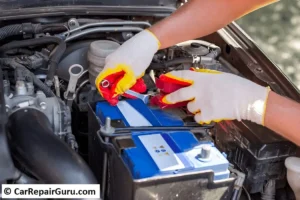
Proper car battery maintenance can extend its lifespan and ensure reliable performance. Here are key practices to keep your battery in top condition:
Clean Battery Terminals to Prevent Corrosion
Over time, corrosion on battery terminals can interfere with the electrical connection. Clean terminals with a baking soda and water solution, using a brush to remove buildup. Applying petroleum jelly or terminal protectant helps prevent future corrosion.
Limit Short Trips to Allow Proper Battery Charge Retention
Frequent short trips don’t allow the battery to fully recharge. If possible, drive for at least 15–20 minutes to keep your battery charged. Consider using a battery maintainer if your car sits unused for long periods.
Turn Off Lights & Electronics When the Engine Is Off
Leaving headlights, interior lights, or electronics on while the engine is off can drain the battery quickly. Always double-check before exiting your vehicle.
Secure Battery Placement to Prevent Vibrations
Excessive vibrations can loosen battery connections and damage internal components. Ensure your battery is properly mounted to minimize movement.
Protect Battery from Extreme Temperatures
Both extreme heat and cold affect battery performance. In winter, park indoors if possible, and in summer, keep your car shaded to prevent overheating.
Following these maintenance tips helps maximize battery lifespan and prevent unexpected failures.
Final Thoughts
Regular car battery checks are essential for maintaining a reliable vehicle. By recognizing the warning signs of a weak battery—such as slow cranking, dim lights, or corrosion—you can prevent unexpected breakdowns. Using the right tools, including a multimeter and load tester, allows you to accurately assess battery health and determine when a replacement is necessary.
If your battery voltage consistently drops below 12.0V, is over five years old, or shows visible damage, it’s time for a new one. Additionally, practicing proper battery maintenance, such as keeping terminals clean, limiting short trips, and securing the battery, helps extend its lifespan.
Taking a proactive approach to car battery maintenance ensures your vehicle stays road-ready and prevents costly repairs. A well-maintained battery means fewer inconveniences and a more dependable driving experience. Regular testing and care will keep your battery performing at its best for years to come.
Battery Check FAQ
Q1: How often should I perform a car battery check?
A car battery check should be done every 3–6 months or before long road trips to ensure your battery is in good condition.
Q2: Can I test my car battery without a multimeter?
Yes. While a multimeter provides an accurate voltage reading, you can check for signs of a weak battery, such as slow cranking, dim lights, or difficulty starting the vehicle. Additionally, you can visit an auto shop for a battery load test.
Q3: What should I do if my battery is under 12V?
If your battery voltage test reads below 12V, try recharging it using a car battery charger. If the battery continues to lose charge quickly, it may need replacement.
Q4: Can extreme weather affect my car battery?
Yes. Cold weather can reduce battery capacity, making it harder to start your vehicle. Extreme heat can cause electrolyte fluid to evaporate, leading to battery degradation.
Q5: How long does a car battery last?
The average lifespan of a car battery is 3–5 years. Regular maintenance, such as cleaning terminals and ensuring proper charging, can help extend its life.
About the Author