Marco Riley
As the leaves begin to blush with color and the air carries that first crisp chill, it’s a clear sign that change is coming. For many of us, it means swapping shorts for sweaters and iced coffee for hot cider. But it’s also a critical signal for your car. Fall isn’t just a beautiful season; it’s a transition period that can put a strain on your vehicle, and it’s your last chance to prepare for the harsh realities of winter.
Ignoring autumn car care is a gamble. A simple issue that was manageable in the summer can quickly become a costly, inconvenient, and even dangerous breakdown on a cold, dark night.
Think of this as your essential guide to getting your car ready for fall. This isn’t about being a master mechanic. It’s about being a smart car owner. By running through this comprehensive fall car maintenance checklist, you can ensure your vehicle is safe, reliable, and ready for whatever the changing seasons throw its way.
- Your 10-Point Fall Car Maintenance Checklist
- 1. Check Your Tires – Your Connection to the Road
- 2. Test Your Battery – The Heartbeat of Your Car
- 3. Inspect Your Brakes – Your Most Important Safety Feature
- 4. Boost Your Visibility – New Wipers and Fluid
- 5. Light Up the Dark – A Full Lighting Inspection
- 6. Check Your Coolant – The Guardian of Your Engine
- 7. Test Your Climate Control – Comfort and Safety in One
- 8. Inspect Belts & Hoses – The Circulatory System
- 9. Consider an Oil Change – Engine Lifeblood
- 10. Get Prepared – Build Your Winter Emergency Kit
- DIY Fall Car Care vs. Visiting a Mechanic
- Drive with Confidence This Season
- Frequently Asked Questions About Fall Car Care
- Are All-Season Tires Good Enough for Winter?
- What Is the Single Most Important Fall Maintenance Check?
- How Can I Protect My Car’s Paint for Winter?
- Do I Need to Change How I Wash My Car in the Fall?
- Should I Warm Up My Car by Idling on Cold Mornings?
Your 10-Point Fall Car Maintenance Checklist
Let’s dive into the ten most important areas to inspect to ensure your winter car prep is complete.
1. Check Your Tires – Your Connection to the Road
Why It Matters: As the temperature drops, so does your tire pressure—about 1 PSI for every 10°F decrease. Underinflated tires wear out unevenly, hurt your fuel economy, and, most importantly, reduce traction. On roads slick with wet leaves or an unexpected morning frost, proper grip is everything.
What to Do:
Check the Pressure: Don’t use the number on the tire’s sidewall. Find the correct PSI for your car on the sticker inside the driver’s side door jamb. Check the pressure when the tires are cold (before you’ve driven) and inflate them to the recommended level. Make this a monthly habit.
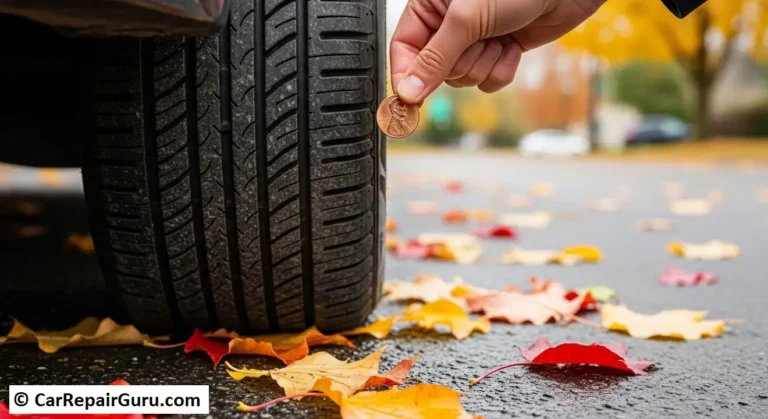
Check the Tread: A simple way to check your tread depth is with the “penny test.” Insert a penny into the tread with Lincoln’s head upside down. If you can see the top of his head, your treads are too worn, and it’s time for new tires. Good tread is crucial for channeling away water and slush.
2. Test Your Battery – The Heartbeat of Your Car
Why It Matters: The cold is a car battery’s worst enemy. A battery that limped through the summer heat might not have the power to turn over a cold engine on the first frigid morning. The chemical reactions that generate power slow down dramatically in the cold, so a weak battery will fail when you need it most.
What to Do:
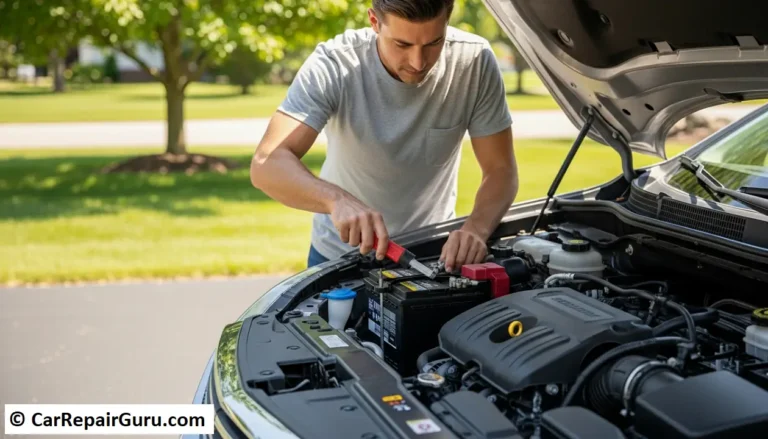
- Visual Inspection: Pop the hood and look at the battery terminals. If you see a white or blueish, fuzzy-looking substance, that’s corrosion. It can be cleaned off with a wire brush and a baking soda/water solution, but it can also be a sign of a failing battery.
- Get a Professional Test: Most auto parts stores or any mechanic can perform a “load test” for free or a small fee. This test shows how well your battery holds a charge under pressure and is the most reliable way to know if it’s ready for winter.
3. Inspect Your Brakes – Your Most Important Safety Feature
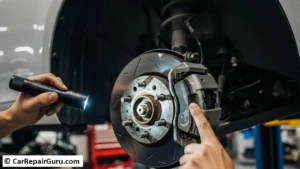
Why It Matters: Between autumn rainstorms, slick layers of fallen leaves, and the potential for black ice, your stopping power needs to be at its peak. Worn-out brake pads or low brake fluid can dramatically increase your stopping distance.
What to Do:
- Listen and Feel: The easiest signs of brake trouble are ones you can hear and feel. Listen for any high-pitched squealing, scraping, or grinding noises when you apply the brakes. Pay attention to any vibrations or “pulsing” in the brake pedal or if the car pulls to one side when you brake.
- Professional Inspection: If you notice any of these signs, don’t wait. Have a trusted mechanic inspect your brake pads, rotors, and brake fluid immediately.
4. Boost Your Visibility – New Wipers and Fluid
Why It Matters: Visibility is safety. Fall and winter bring more rain, sleet, road grime, and frost. Worn-out wiper blades that streak, skip, or squeak across your windshield are a hazard.
What to Do:
- Check the Blades: Lift the wiper blades and run your finger along the rubber edge. If it feels brittle, cracked, or chipped, replace them. They are an inexpensive and easy-to-install piece of equipment that makes a world of difference.
- Top-Off the Fluid: Don’t just use water! Fill your washer fluid reservoir with a high-quality “de-icer” or winter-specific fluid. This will help melt ice and frost on cold mornings and won’t freeze in the lines.
5. Light Up the Dark – A Full Lighting Inspection
Why It Matters: With the days getting shorter, you’ll be driving in the dark more often. Functioning lights are essential for you to see the road and for other drivers to see you.
What to Do:
Do a Walk-Around: Grab a friend or family member to help. Turn on your car and test every single light: headlights (both high and low beams), taillights, brake lights, turn signals, and hazard lights. A burnt-out bulb is a simple fix that can prevent a ticket or an accident.
6. Check Your Coolant – The Guardian of Your Engine
Why It Matters: Antifreeze (coolant) does more than just prevent your engine from overheating in the summer—it also prevents the engine block and radiator from freezing solid and cracking in the winter, which would be a catastrophic failure.
What to Do:
- Check the Level: When the engine is cool, check the coolant level in the overflow reservoir. It should be between the “Full” and “Add” lines.
- Check the Mixture: For optimal protection, the coolant should be a 50/50 mix of antifreeze and distilled water. A mechanic can quickly test the mixture to ensure it will protect your engine down to the lowest temperatures in your area.
7. Test Your Climate Control – Comfort and Safety in One
Why It Matters: Your heater provides comfort on a cold day, but your defroster is an essential safety system. You need it to quickly clear condensation and frost from your windshield for clear visibility.
What to Do:
Run a Test: The time to find out your heater or defroster is broken is now, not on the first 30-degree morning. Turn your system on full blast and cycle through all the settings (heat, A/C, and defrost) to make sure hot air is flowing strongly and to all the correct vents.
8. Inspect Belts & Hoses – The Circulatory System
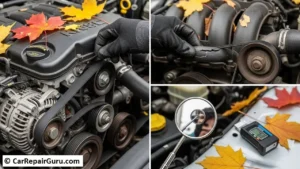
Why It Matters: Your engine’s belts and hoses are the unsung heroes, circulating vital fluids and powering key components. Cold temperatures can make the rubber brittle and hard, increasing the chance of a crack or snap. A broken belt can leave you stranded instantly.
What to Do:
Look and Feel: Visually inspect the belts for any signs of cracking, fraying, or glazing (a shiny appearance). Gently squeeze the major coolant hoses. They should feel firm but pliable, not rock-hard, brittle, or mushy.
9. Consider an Oil Change – Engine Lifeblood
Why It Matters: Clean oil is vital for a healthy engine. In colder weather, oil thickens, making it harder for it to circulate and lubricate your engine on startup.
What to Do:
- Check Your Sticker: Are you due for an oil change? Fall is the perfect time to get it done.
- Consult Your Manual: Some manufacturers recommend a different, thinner viscosity of oil for winter operation, especially in very cold climates. Check your owner’s manual or ask your mechanic if this is right for your vehicle.
10. Get Prepared – Build Your Winter Emergency Kit
Why It Matters: Even the best-maintained car can run into trouble. Autumn car care is also about being prepared for the worst-case scenario. Having an emergency kit in your trunk can turn a potential crisis into a manageable inconvenience.
What to Include:
- A sturdy ice scraper and snow brush
- Jumper cables
- A flashlight with extra batteries
- A warm blanket, gloves, and a hat
- A small bag of sand or cat litter for traction
- Non-perishable snacks and bottled water
- A portable phone charger
DIY Fall Car Care vs. Visiting a Mechanic
Not sure what you can handle yourself? Here’s a quick breakdown:
Great DIY Tasks:
- Checking tire pressure and tread
- Topping off washer fluid
- Replacing windshield wiper blades
- Visually inspecting lights, belts, and hoses
- Organizing your emergency kit
When to See a Pro:
- Brake inspections and repairs
- Battery load testing
- Coolant system flushes and tests
- Oil changes (unless you’re experienced)
- Anything that feels or sounds “wrong”
Drive with Confidence This Season
Getting your car ready for fall isn’t a chore; it’s an investment in your safety, your peace of mind, and your wallet. By taking an afternoon to run through this checklist, you’re taking proactive steps to prevent a breakdown on a freezing winter night.
So, before you settle in for a season of cozy sweaters and warm drinks, give your car the attention it deserves. Your future self will thank you when you turn the key with confidence on that first frosty morning.
Frequently Asked Questions About Fall Car Care
Are All-Season Tires Good Enough for Winter?
For light snow and moderate cold, all-seasons are often sufficient. However, if you face heavy snow or icy conditions regularly, dedicated winter tires provide far superior traction and safety.
What Is the Single Most Important Fall Maintenance Check?
While all points are crucial, checking your tires and battery gives you the biggest return on safety. These are the two components most likely to fail due to dropping temperatures.
How Can I Protect My Car’s Paint for Winter?
A thorough cleaning followed by a fresh coat of wax is your best defense. The wax creates a protective barrier against road salt, moisture, and gritty winter road grime.
Do I Need to Change How I Wash My Car in the Fall?
Yes, it’s wise to get an undercarriage wash to remove corrosive elements. Focusing on this area helps prevent rust caused by salt and moisture trapped under your vehicle.
Should I Warm Up My Car by Idling on Cold Mornings?
Modern engines only need about 30 seconds before you can drive away gently. The car warms up more efficiently while moving, which is better for the engine and the environment.
About the Author