Marco Riley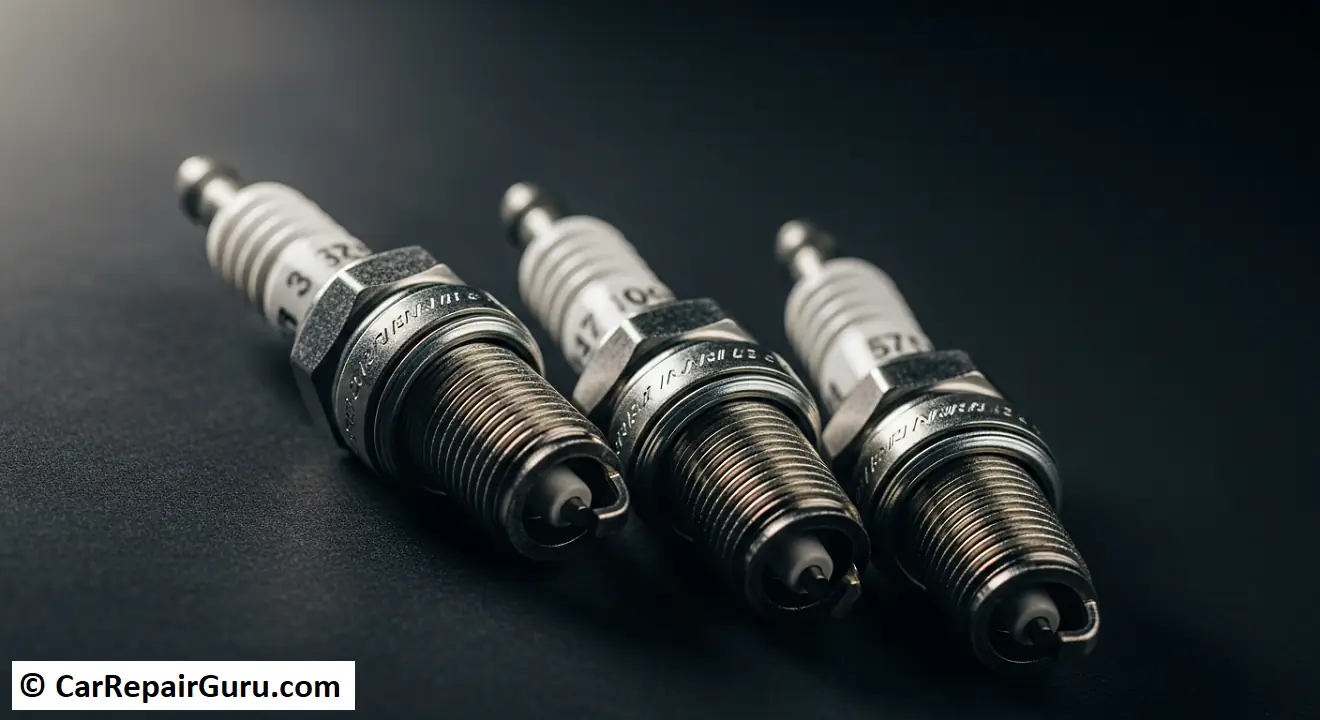
Think of the internal combustion engine in your car. It’s a complex symphony of moving parts, fuel, and air. But what kicks off the entire show? What provides that initial, critical burst of energy? That responsibility falls to a small, often overlooked component: the spark plug. It’s the heartbeat of your engine, the tiny bolt of lightning that turns a simple fuel-air mixture into the power that moves you down the road.
Despite their small size and low cost, spark plugs have an enormous impact on your vehicle’s overall health. A healthy set of plugs means better performance, greater fuel efficiency, and a smoother ride. A failing set, however, can lead to a host of frustrating and potentially damaging problems.
In this guide, we’re going to demystify this essential part. You’ll learn exactly how spark plugs work, how to recognize the clear signs that they’re failing, and even how to “read” an old plug to diagnose deeper engine issues. Let’s get started.
What Are Spark Plugs and How Do They Work?
At its core, a spark plug is a simple device with a monumental job. Its purpose is to deliver an electric current from the ignition system to the combustion chamber, creating a high-voltage spark to ignite the compressed fuel and air.
The Core Function – Creating the “Spark”
The process happens in a fraction of a second, thousands of times per minute:
- Your car’s ignition system generates a powerful, high-voltage electrical pulse.
- This pulse travels down the spark plug to its very tip inside the engine’s cylinder.
- At the tip, there is a precisely measured space called a “gap” between two electrodes. The electrical energy must jump across this gap.
- As it jumps, it creates an intense spark—literally a tiny bolt of lightning—with a temperature of thousands of degrees.
- This spark instantly ignites the air-fuel mixture, causing a small, controlled explosion. This explosion pushes the piston down, turning the crankshaft and ultimately, your wheels.
Key Components of a Spark Plug
While it looks like a single piece, a spark plug has several key parts working together:
- Terminal: The top of the plug where the spark plug wire or ignition coil connects.
- Insulator: The white ceramic portion that prevents the high voltage from grounding out before it reaches the tip.
- Shell: The metal body that allows the plug to be screwed into the engine head and helps transfer heat away.
- Electrodes: The central and ground electrodes at the tip, between which the spark jumps.
How Spark Plugs Directly Affect Engine Performance
A clean, strong spark is the foundation of good engine performance. When spark plugs are worn or dirty, that spark becomes weak and inconsistent, directly impacting your driving experience in several ways.
Fuel Efficiency and Economy
For your car to get the most energy out of every drop of fuel, the combustion process must be complete and efficient. A strong spark ensures the air-fuel mixture burns thoroughly. A weak spark from a worn-out plug can fail to ignite all the fuel, which then gets pushed out the exhaust pipe, completely wasted. If you find yourself making more frequent trips to the gas station, your old spark plugs could be the culprit.
Horsepower and Acceleration
Engine power comes from the force of those tiny explosions pushing the pistons. A powerful, precisely timed spark creates a more forceful and complete combustion event, maximizing the energy generated. This translates directly to a car that feels responsive and accelerates smoothly. Conversely, failing spark plugs can cause your vehicle to feel sluggish, hesitant, and underpowered because the engine isn’t firing on all cylinders with full force.
Smooth Idling and Cold Starts
Have you ever noticed your car shaking or sputtering while stopped at a red light? That’s a classic symptom of a rough idle. Worn spark plugs are a leading cause, as their inconsistent sparks lead to uneven combustion, making the engine run erratically. This is especially noticeable during cold starts, when the engine needs a reliable, hot spark to get going.
Symptoms of Bad or Failing Spark Plugs

Your car is pretty good at telling you when something is wrong. When it comes to spark plugs, the signs are often clear, though they can sometimes be mistaken for other issues. Here are the most common symptoms of bad spark plugs to watch out for.
- Rough Idle: Your engine sputters, vibrates, or sounds uneven when the car is stationary. This is often one of the very first signs.
- Engine Misfiring: You feel a distinct hesitation, stumble, or “jerk” from the engine, especially during acceleration. An engine misfire means one or more cylinders failed to fire correctly, and a bad spark plug is the number one cause.
- Poor Acceleration: Your car feels weak and sluggish when you press the gas pedal. It struggles to get up to speed or feels like it has no “get-up-and-go.”
- Reduced Fuel Economy: As mentioned, you’re burning more fuel than usual to travel the same distance. This is a subtle sign that can creep up over time.
- Difficulty Starting the Engine: The engine cranks over but takes a long time to start, or it may not start at all. The spark plugs simply aren’t providing the consistent spark needed for ignition.
- Check Engine Light: A persistent engine misfire will almost always trigger the Check Engine Light. A mechanic can scan for specific OBD-II codes (like P0301, P0302, etc.) that point directly to a misfire in a particular cylinder.
Reading Your Spark Plugs – A Window Into Your Engine’s Health
One of the most valuable aspects of spark plug troubleshooting is that the old plugs themselves can tell you a story about what’s happening inside your engine. By examining the firing tip of a used plug, you can diagnose not only the plug’s condition but also potential underlying engine problems.
What a Healthy Spark Plug Looks Like
A healthy plug that has been running in a well-tuned engine will have light tan or grayish-brown deposits on its insulator tip. The electrodes will be intact with no signs of melting, and the body will be clean.
Common Problems and What They Mean (Troubleshooting Chart)
If your plug looks different, here’s what it could be telling you:
- Carbon Fouled (Dry, Black Soot): This indicates the fuel mixture is too rich or the spark is too weak. Potential causes include a clogged air filter, a faulty oxygen sensor, or simply leaving the choke on too long in an older engine.
- Oil Fouled (Wet, Oily Black Coating): This is a more serious sign. It means engine oil is leaking into the combustion chamber, likely due to worn piston rings or valve seals. This problem goes beyond the spark plug itself and requires a mechanic’s attention.
- Overheated (White, Blistered, or Melted Insulator): The plug is getting too hot. This can be caused by using a plug with the wrong “heat range,” incorrect ignition timing, or an engine cooling system problem. Running an engine this hot can lead to severe damage.
- Worn Out (Rounded Electrodes): This is just normal wear and tear. Over tens of thousands of miles, the sharp edges of the electrodes erode, making the gap wider and requiring more voltage to create a spark. This simply means it’s time for replacement.
Spark Plug Maintenance – When and How to Replace Them
So, how do you keep your engine running smoothly? Regular spark plug maintenance is key. This involves knowing which plugs to use and understanding when to replace them.
Understanding Spark Plug Types – Copper, Platinum, and Iridium
Not all spark plugs are created equal. The main difference lies in the material used for the center electrode, which affects both performance and lifespan.
- Copper: These are the most basic and have the shortest lifespan, but they are excellent conductors and a great budget-friendly choice for many older vehicles.
- Platinum (and Double Platinum): These last significantly longer than copper plugs. They run a bit hotter, which helps burn off deposits and maintain cleanliness.
- Iridium: These are the premium option, offering the longest lifespan and most consistent performance. The iridium tip is extremely hard and has a very high melting point, allowing for a smaller, more efficient electrode. Many modern engines require iridium spark plugs from the factory.
General Replacement Intervals
The question of when to replace spark plugs depends heavily on the type of plug and your vehicle. Always check your owner’s manual first, but here are some general guidelines:
- Copper: Every 20,000 to 30,000 miles.
- Platinum: Every 60,000 to 80,000 miles.
- Iridium: Every 80,000 to 120,000 miles.
The Importance of the Spark Plug Gap
The “gap” is the distance between the center and ground electrodes. This distance is critical and must be set to your vehicle manufacturer’s exact specifications. If the gap is too small, the spark may be weak. If it’s too large, the spark may fail to jump at all, causing a misfire. While many modern plugs come “pre-gapped,” it is always a best practice to double-check the spark plug gap with a feeler gauge before installation.
Conclusion – The Unsung Hero of Your Engine
The humble spark plug is truly the unsung hero of your vehicle. It is a critical component that directly dictates your engine’s performance, fuel economy, and overall reliability. By understanding its function and learning to recognize the symptoms of failure, you can perform simple, cost-effective maintenance that prevents larger, more expensive repairs down the road.
Ignoring worn-out spark plugs is like trying to run a marathon in worn-out shoes—you might finish, but it’s going to be a rough, inefficient journey. Give your engine the strong, clean spark it deserves.
Is your car showing any of these symptoms? Check your owner’s manual for its recommended service interval, or share your own spark plug troubleshooting tips in the comments below!
Frequently Asked Questions About Spark Plugs
Can I replace spark plugs myself?
Yes, for many vehicles, replacing spark plugs is a straightforward DIY job that requires basic tools like a socket wrench, an extension, and a dedicated spark plug socket. However, on some modern engines, plugs can be difficult to access. Always consult a repair manual for your specific vehicle and proceed with caution.
What happens if I use the wrong type of spark plug?
Using the wrong spark plug can lead to poor performance, reduced fuel economy, engine misfires, and in some cases, catastrophic engine damage. It’s crucial to use the type (copper, iridium, etc.) and heat range specified by your vehicle’s manufacturer.
Do new spark plugs come pre-gapped?
Most do, but you should never assume the gap is correct. Plugs can be dropped during shipping, which can alter the gap. It is always best practice to verify the gap with a proper tool before installation.
How much does it cost to have spark plugs replaced?
The cost varies widely based on the vehicle and labor rates in your area. For a typical 4-cylinder engine, you might pay anywhere from $100 to $300. For V6 or V8 engines, especially those where the plugs are hard to reach, the cost can be significantly higher.
About the Author