Marco
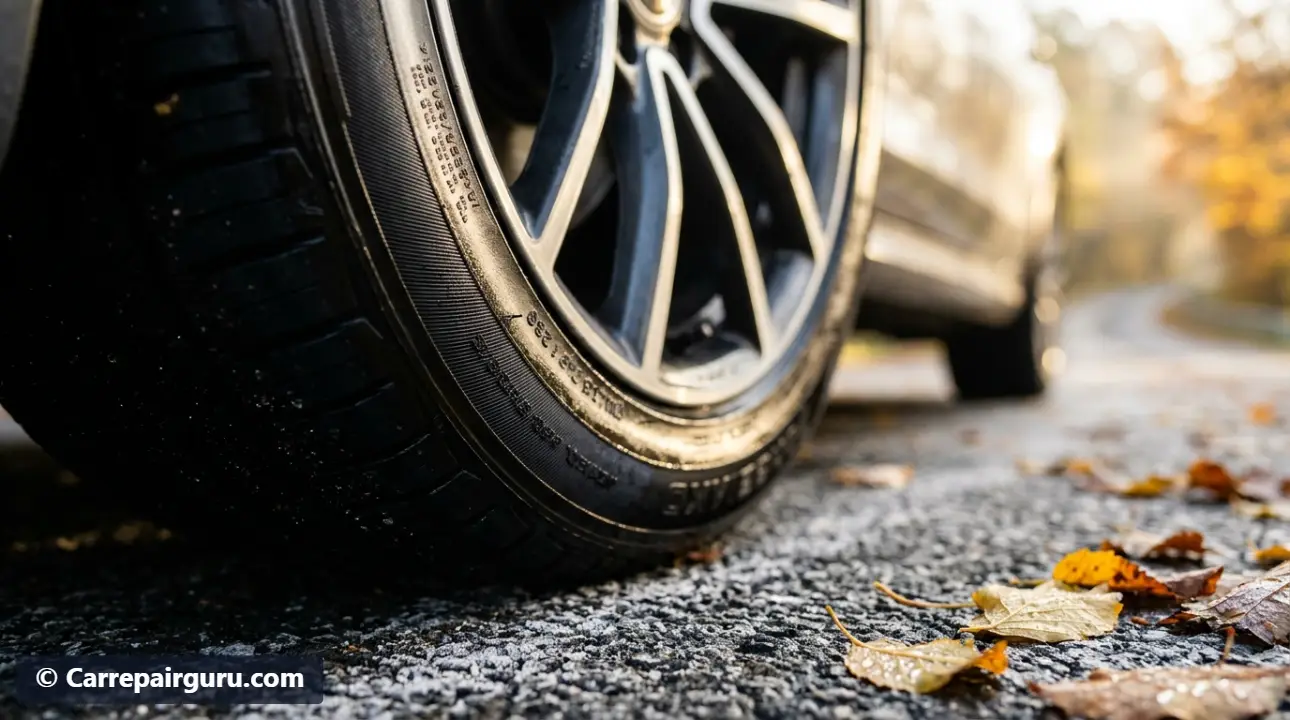
Tire sidewall cracks can appear even when the tread still looks good. Sunlight, heat, age, poor storage, incorrect tire pressure, and other conditions can contribute to rubber deterioration. The problem is that a tire can look usable while its condition is getting worse.
The best way to reduce premature tire cracking is to maintain the correct tire pressure, limit unnecessary exposure to direct sunlight and extreme heat, store unused tires properly, and inspect them regularly. If you notice cracks, bulges, exposed cords, or other damage, have the tire inspected by a qualified tire professional rather than assuming it is safe based on appearance alone.
Here is how to protect your tires throughout the year, recognize warning signs, and know when professional inspection or replacement may be necessary.
- Why Tires Crack and What Causes Dry Rot
- How to Prevent Tire Cracks
- Park in the Shade or Garage
- Maintain the Correct Tire Pressure
- Use Suitable Tire Cleaning Products
- Avoid Curbs, Potholes, and Overloading
- Seasonal Tire Care
- Protect Tires in Hot Weather
- Check Tire Pressure in Cold Weather
- Choose Tires for the Conditions
- How to Store Tires Properly
- Clean and Dry Tires Before Storage
- Choose a Cool, Dry Storage Area
- Protect RV and Trailer Tires
- How to Check Tire Age and Condition
- Find the Tire Manufacture Date
- Inspect the Sidewalls for Cracks and Other Damage
- When Tire Cracks Need Professional Inspection
- A Simple Year-Round Tire Care Routine
- Final Thoughts
- Frequently Asked Questions
- Can tire sidewall cracks be repaired?
- Does tire shine prevent dry rot?
- How often should tires be inspected?
- How old can tires be before replacement?
- Is it safe to drive with cracked tires?
Why Tires Crack and What Causes Dry Rot
Tires are made from rubber compounds and other materials designed to flex under the weight of your vehicle while providing traction and stability. Over time, exposure to sunlight, heat, oxygen, ozone, and other environmental conditions can change these materials.
This deterioration is commonly called tire dry rot or sidewall weathering. Small cracks may appear on the sidewalls or between the tread blocks. As the tire ages, its condition can worsen, although the speed of deterioration depends on the tire, its service history, and the conditions in which it is used and stored.
Several factors can contribute to tire cracking.
- Sunlight and heat: Long periods of direct sunlight and high temperatures can accelerate tire aging.
- Age: Rubber and other tire materials change over time, even when the tread has plenty of depth remaining.
- Poor storage: Excessive heat, sunlight, moisture, chemicals, and ozone-generating equipment can damage stored tires.
- Incorrect tire pressure: Underinflation causes excessive sidewall flexing and heat during driving, increasing tire stress.
- Physical damage: Hitting curbs, potholes, or road debris can damage a tire. Such damage is not the same as ordinary age-related cracking and may require immediate inspection.
- Improper loading: Carrying more weight than the vehicle and tires are designed to support can increase heat and stress.
Tire aging cannot always be judged by looking at the rubber. Regular inspections and attention to changes in tire performance are important, especially if your vehicle is driven infrequently or spends long periods parked outdoors.
How to Prevent Tire Cracks
Park in the Shade or Garage
Direct sunlight and excessive heat can accelerate tire aging. Whenever practical, park in a garage or shaded area to reduce prolonged exposure to sunlight.
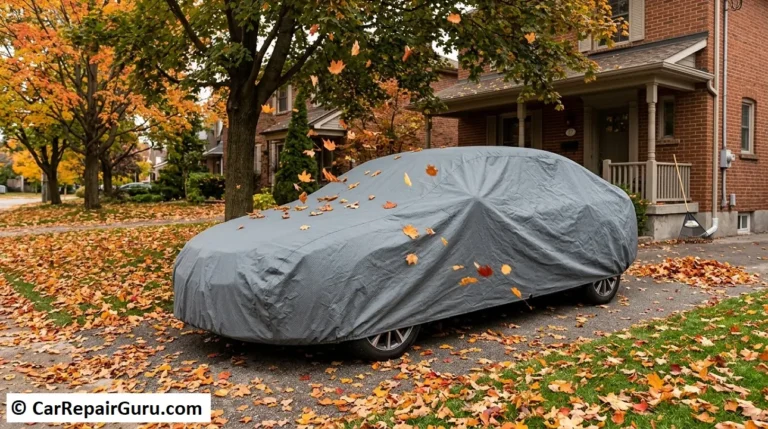
If you regularly park outdoors, consider using suitable tire covers when the vehicle will remain stationary for an extended period. Covers can reduce direct sunlight exposure, but they cannot prevent every cause of tire deterioration.
Make sure the tires and the area around them are free from spilled fuel, oil, and other chemicals that may damage rubber. Do not apply unapproved chemicals or household products to the sidewalls in an attempt to prevent cracking.
Maintain the Correct Tire Pressure
Proper inflation is one of the most important parts of tire maintenance. An underinflated tire flexes more than intended while driving, which can generate excess heat and increase stress on its structure.
Check tire pressure at least once a month and before long trips. Check it when the tires are cold, ideally after the vehicle has been parked for at least three hours.
- Find the recommended tire pressure on the vehicle’s tire and loading information label, usually located on the driver’s door area, or in the owner’s manual.
- Use a reliable tire pressure gauge to check each tire, including the spare if your vehicle has one.
- Add air or release air as needed to reach the recommended cold pressure.
- Check the tires more frequently when temperatures change significantly or if a tire repeatedly loses pressure.
Do not use the maximum pressure printed on the tire sidewall as the normal inflation target. Follow the vehicle manufacturer’s recommendation, which may differ between the front and rear tires.
For more guidance, see the NHTSA tire safety and maintenance recommendations.
If you are considering nitrogen inflation, read our guide to whether nitrogen in car tires is worth the cost. Nitrogen does not prevent tire aging, so maintaining the correct pressure and inspecting tires remain important regardless of the inflation gas used.
Use Suitable Tire Cleaning Products
Regular cleaning helps remove road grime, dirt, and other contaminants that collect on tires. Use mild soap and water, then rinse thoroughly. Follow the tire manufacturer’s instructions if a dedicated tire cleaner is needed.
Avoid gasoline, motor oil, harsh solvents, and other unapproved chemicals on tire rubber. Petroleum-based products and certain solvents can damage tire compounds.
Tire shine products are not a substitute for proper maintenance. If you use a tire dressing, choose one specifically intended for tires and follow its directions. Do not assume that a shiny finish means the rubber is protected from aging.
Avoid Curbs, Potholes, and Overloading
Hitting a curb or pothole can damage the tire’s internal structure, even when the outside looks relatively normal. After a significant impact, inspect the tire for visible damage and pay attention to changes in handling, vibration, or air pressure.
A bulge in the sidewall, exposed cords, or a sudden loss of pressure requires immediate attention. Do not continue driving on a tire with suspected structural damage. Arrange professional assistance or towing if necessary.
Also, stay within the vehicle’s load limits and use tires with the size and load rating specified by the manufacturer. Excessive weight can increase tire stress and operating temperatures.
Seasonal Tire Care
Protect Tires in Hot Weather
Hot pavement, high ambient temperatures, and prolonged sunlight can accelerate tire aging. These conditions deserve extra attention if you live in a hot climate or regularly park outdoors.
- Park in the shade or a garage when possible.
- Check cold tire pressure regularly, especially before long trips.
- Inspect the sidewalls and tread for cracks, cuts, bulges, and unusual wear.
- Avoid overloading the vehicle or driving on underinflated tires.
- Check stored spare tires, RV tires, and trailer tires even when they are not used regularly.
Do not rely on a tire dressing to reverse existing cracks. Once deterioration is visible, the tire’s condition needs to be assessed rather than hidden with a cosmetic product.
Check Tire Pressure in Cold Weather
When the temperature drops, tire pressure generally drops as well. A tire that was correctly inflated during warmer weather may need additional air when colder conditions arrive.
Check the pressure when the tires are cold and adjust it to the vehicle manufacturer’s recommended level. Do not let air out of a warm tire simply because its pressure reading is higher after driving.
Cold weather also affects tire performance. Summer tires are not designed for the same cold-weather conditions as winter tires, and their grip can decrease significantly as temperatures fall. Choose tires appropriate for your climate and driving conditions rather than assuming that a particular tire works equally well in every season.
Choose Tires for the Conditions
Using the correct type of tire for the season helps maintain traction and reduce unnecessary wear.
Winter tires use compounds and tread designs intended for cold conditions. In warmer weather, they may wear more quickly than appropriate summer or all-season tires. Summer tires, meanwhile, may provide inadequate grip in cold conditions, particularly on snow or ice.
Follow the tire manufacturer’s temperature guidance and the vehicle manufacturer’s recommendations. Changing tires seasonally can help maintain performance, but it does not eliminate normal tire aging or guarantee that cracks will never develop.
How to Store Tires Properly
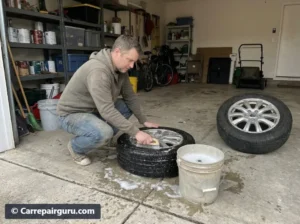
Proper storage matters if you remove seasonal tires, store a classic car, or leave an RV or trailer unused for an extended period. Tires can deteriorate in storage when exposed to damaging environmental conditions.
Clean and Dry Tires Before Storage
Remove dirt and road grime with mild soap and water, then allow the tires to dry thoroughly. If the tires are mounted on wheels, follow the manufacturer’s instructions for preparing the assemblies for storage.
Keep stored tires away from fuel, oil, grease, solvents, and other chemicals that could damage the rubber. Do not store them where they may sit in standing water.
Choose a Cool, Dry Storage Area
Whenever possible, store tires indoors in a clean, dry, cool, and suitably ventilated area away from direct sunlight and extreme temperatures.
Keep tires away from electric motors, generators, welding equipment, and other potential sources of ozone. Ozone can contribute to cracking in rubber products.
Opaque, suitable tire-storage bags can help reduce exposure to light and environmental contaminants. Make sure the tires are clean and dry before bagging them, and follow the tire manufacturer’s storage recommendations.
For detailed guidance, the U.S. Tire Manufacturers Association’s tire storage recommendations explain how storage conditions can affect tire materials and what to avoid.
Protect RV and Trailer Tires
RVs, boat trailers, and other vehicles that remain parked for long periods need particular attention because their tires may age before the tread wears out.
- Use suitable tire covers to reduce prolonged sunlight exposure.
- Check tire pressure before using the vehicle and during storage as recommended by the manufacturer.
- Keep the vehicle within its load limits and follow its storage instructions.
- Inspect tires before a long trip, even if the vehicle has barely been driven.
- If the vehicle will remain stored for months, follow the manufacturer’s guidance on supporting the vehicle and protecting its tires.
Do not place a vehicle on improvised supports or use a jack stand without the correct equipment and procedures. Supporting a vehicle improperly can cause serious injury. If you are unsure how to prepare an RV or trailer for long-term storage, consult its manufacturer or a qualified service professional.
How to Check Tire Age and Condition
Even with good maintenance, tires do not last indefinitely. Regularly checking their age and physical condition helps you identify when they need professional assessment or replacement.
Find the Tire Manufacture Date
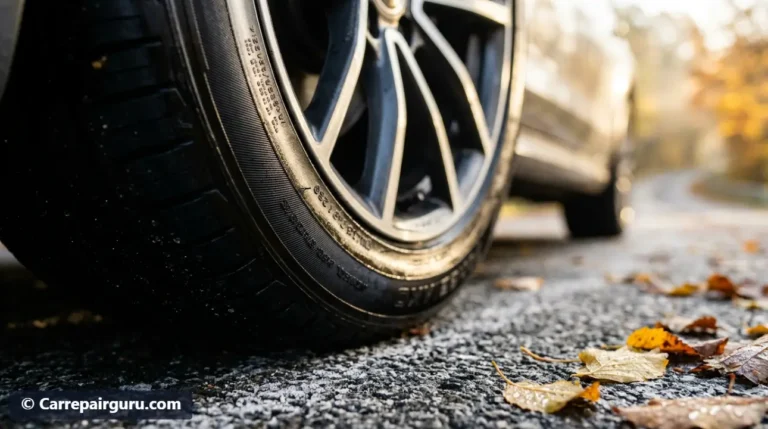
Look for the Department of Transportation (DOT) tire identification number on the sidewall. The final four digits indicate the week and year of manufacture.
For example, a date code ending in 1221 indicates that the tire was manufactured during the 12th week of 2021.
The manufacture date is useful, but it does not tell you the tire’s complete condition. Service history, climate, storage, inflation, loading, and visible damage also matter.
Check your tire manufacturer’s and vehicle manufacturer’s recommendations for age-related replacement. Some manufacturers recommend replacement within a specified period even when the tread remains usable. Do not wait for cracks to appear before checking the age guidance.
Inspect the Sidewalls for Cracks and Other Damage
Inspect your tires regularly, including the visible sidewalls and tread. Look for:
- Small cracks or groups of fine cracks in the rubber.
- Deep cuts or cracks that appear to extend into the tire’s structure.
- Bulges, blisters, or areas that look distorted.
- Exposed cords or other internal tire materials.
- Uneven tread wear, repeated pressure loss, or unusual changes in driving behavior.
Small surface cracks do not automatically establish how much structural damage a tire has suffered. However, they should not be dismissed as harmless based on appearance alone.
If you find cracking, have a qualified tire professional assess the tire and determine whether it can remain in service. If there is a bulge, exposed cord, suspected structural damage, or sudden pressure loss, do not drive on the tire. Arrange professional assistance instead.
When Tire Cracks Need Professional Inspection
Cracks are a reason to examine a tire’s condition, not an invitation to test how much damage it can tolerate. There is no reliable universal credit-card test that determines whether a cracked tire is safe.
Arrange a professional inspection if you notice visible cracking, especially when it is spreading, becoming more pronounced, or appearing alongside other signs of deterioration.
Do not continue driving on a tire with a sidewall bulge, exposed cords, separation, or suspected structural failure. These signs can indicate serious damage. Pull over somewhere safe if you notice a problem while driving, and arrange roadside assistance or towing when necessary.
A tire professional can inspect the damage and advise whether replacement is necessary. Sidewall structural damage generally cannot be safely repaired like a repairable tread puncture. Do not apply sealant or a cosmetic product to cracks in an attempt to make the tire usable again.
Also, seek inspection if a tire repeatedly loses air, develops unusual vibration, or makes a new noise. These symptoms can have several causes, and a visual check alone may not reveal the problem.
A Simple Year-Round Tire Care Routine
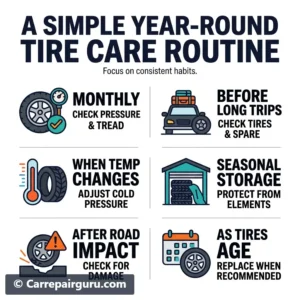
You do not need an elaborate maintenance routine to reduce avoidable tire damage. Focus on a few consistent habits.
- Monthly: Check cold tire pressure and inspect the tread and visible sidewalls.
- Before long trips: Check pressure, visible damage, tread condition, and the spare tire if equipped.
- When temperatures change: Recheck cold pressure and adjust it to the recommended level.
- During seasonal storage: Protect tires from sunlight, excessive heat, chemicals, moisture, and ozone sources.
- After a major road impact: Check for damage and arrange professional inspection if necessary.
- As tires age: Follow the replacement recommendations of the tire and vehicle manufacturers, regardless of remaining tread depth.
For more vehicle maintenance advice, explore our Tips and Tricks section.
These habits can help reduce premature deterioration, but they cannot stop all tire aging. If cracking or other damage appears, have the tire assessed rather than relying on preventive products or maintenance alone.
Final Thoughts
Preventing tire cracks starts with consistent maintenance and suitable storage. Keep your tires at the recommended pressure, reduce unnecessary exposure to direct sunlight and excessive heat, clean them with appropriate products, avoid overloading your vehicle, and inspect them throughout the year.
Remember that good maintenance can slow premature deterioration, but it cannot stop tires from aging indefinitely. Check the manufacture date and follow the tire and vehicle manufacturers’ replacement recommendations. If you notice significant cracks, bulges, exposed cords, or other signs of damage, have the tire assessed by a qualified professional before continuing to drive.
The most important rule is simple: never assume a tire is safe just because it still has plenty of tread.
Frequently Asked Questions
Can tire sidewall cracks be repaired?
Sidewall structural damage generally cannot be safely repaired. A tire professional should assess the damage and determine whether the tire needs replacement.
Does tire shine prevent dry rot?
No tire dressing can guarantee protection against dry rot. Use only products suitable for tires, follow the manufacturer’s instructions, and focus on proper inflation, suitable storage, and regular inspections.
How often should tires be inspected?
Check tire pressure and inspect your tires at least once a month and before long trips. Inspect them sooner after a significant impact or whenever you notice a change in pressure, noise, vibration, or handling.
How old can tires be before replacement?
There is no single age limit that applies to every tire. Follow the tire and vehicle manufacturers’ replacement recommendations, and consider the tire’s condition, service history, and storage conditions.
Is it safe to drive with cracked tires?
You cannot reliably determine safety from the appearance of cracks alone. Arrange a professional inspection. Do not drive on a tire with a bulge, exposed cords, separation, or suspected structural damage.
About the Author