Marco Riley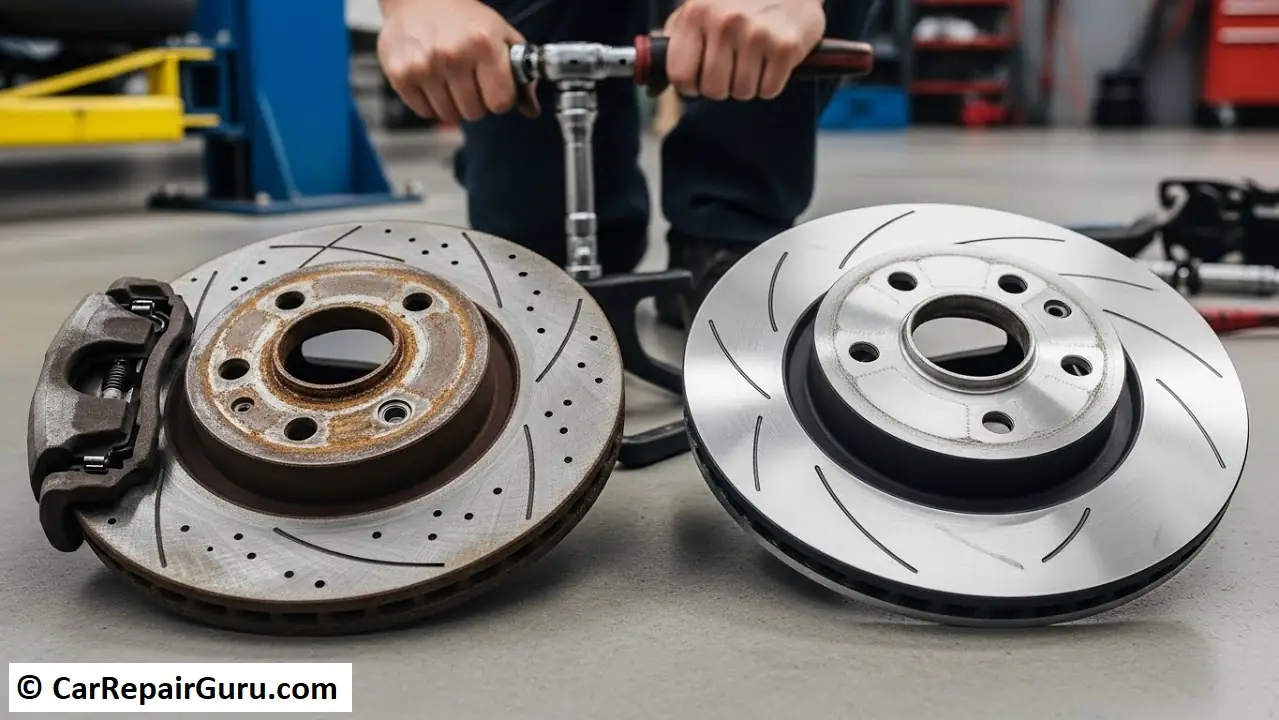
That feeling of confidence when you press the brake pedal—knowing your car will slow down smoothly and surely—is something we often take for granted. Your vehicle’s braking system is a complex team of components working in perfect harmony, and a critical player on that team is the brake rotor.
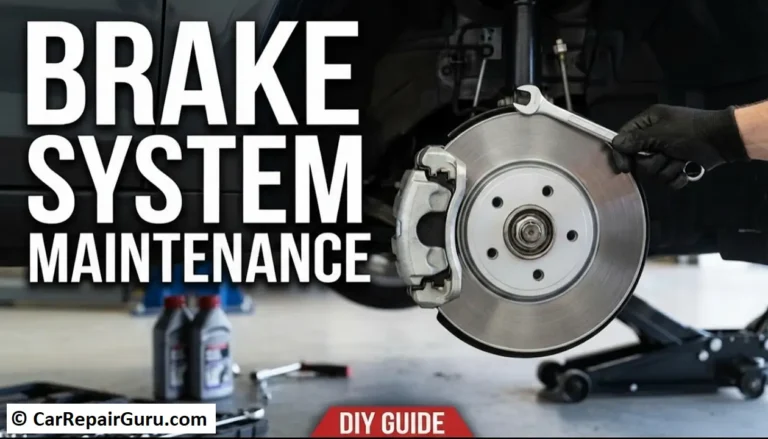
But what are brake rotors? Put simply, they are the heavy-duty metal discs you can see behind your wheels. When you hit the brakes, the brake pads clamp down on these rotors, creating the friction that stops your vehicle.
Over thousands of miles, this intense friction and heat take their toll. Your rotors wear down, and ignoring the warning signs can compromise your safety and lead to more expensive repairs down the road. If you’re wondering when to replace brake rotors, your car will give you clear clues. This guide will walk you through the seven most common signs that it’s time for a brake rotors replacement.
- Top 7 Signs It’s Time for a Brake Rotor Replacement
- 1. Pulsating Sensation or Vibration in the Brake Pedal
- 2. Loud Squealing, Scraping, or Grinding Noises
- 3. Visible Grooves or Scoring on the Rotor Surface
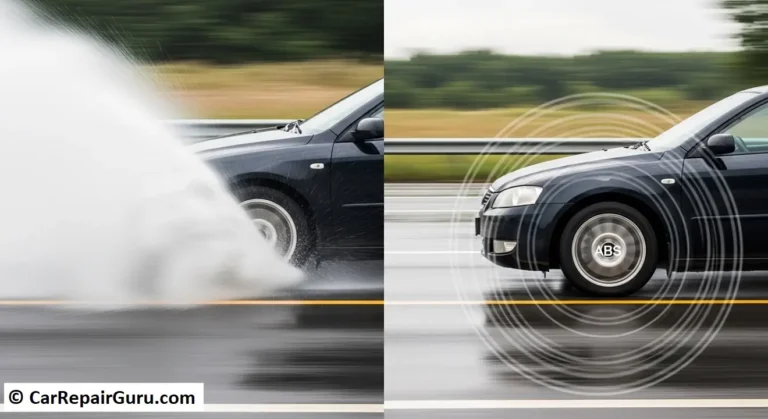
- 4. Increased Stopping Distances
- 5. A Blueish Discoloration on the Rotors
- 6. Thinning Rotors (Below Minimum Thickness)
- 7. Shaking or Wobbling Steering Wheel When Braking
- What Causes Brake Rotors to Go Bad?
- Should You Resurface or Replace Your Brake Rotors?
- What to Expect During a Brake Rotor Replacement Service
- How to Extend the Lifespan of Your New Brake Rotors
- Don’t Ignore the Signs – Prioritize Your Braking Safety
- Your Brake Rotor Replacement Questions Answered
- How much does brake rotor replacement cost?
- How long do brake rotors last?
- Do I need to replace brake pads and rotors at the same time?
- Can I drive with bad brake rotors?
Top 7 Signs It’s Time for a Brake Rotor Replacement
Listen to your car—it’s trying to tell you something. If you notice any of these symptoms, it’s a strong indication that your brake rotors need professional attention.
1. Pulsating Sensation or Vibration in the Brake Pedal
What it feels like: You press the brake pedal, and instead of a smooth, firm response, you feel a rhythmic pulsing or vibrating sensation back through your foot. It can be subtle at first, but it often gets worse over time.
Why it happens: This is the most classic of all warped rotor symptoms. Due to extreme heat cycles, the flat surface of the rotor can become uneven or “warped.” When the brake pads clamp down, they grab and release against these high and low spots, causing the pulsation you feel in the pedal.
2. Loud Squealing, Scraping, or Grinding Noises
What it sounds like: A high-pitched squeal is often the first audible sign of a brake issue, usually indicating worn brake pads. However, if that sound turns into a harsh, metallic scraping or a deep grinding noise when braking, the problem has become much more severe.
Why it happens: A deep grinding noise is the sound of metal-on-metal. This usually means your brake pads have worn down completely, and the metal backing plate of the pad is now grinding directly into the surface of your brake rotor. This not only destroys the rotor but also severely reduces your stopping power.
3. Visible Grooves or Scoring on the Rotor Surface
What to look for: Take a peek through your wheel spokes at the rotor’s surface. A healthy rotor should be relatively smooth and shiny. If you see deep lines, grooves, or concentric circles etched into the metal, you’re looking at one of the key signs of bad brake rotors.
Why it happens: These grooves can be caused by debris getting caught between the pad and rotor or, more commonly, by worn-out brake pads that have started to gouge the rotor’s surface. These grooves reduce the effective contact area for the pads, weakening your braking performance.
4. Increased Stopping Distances
What it feels like: You find yourself pressing the brake pedal earlier and harder than you used to. It simply feels like your car is taking longer to come to a complete stop.
Why it happens: This is a serious safety concern that can stem from several brake issues, including worn rotors. If rotors are too thin, grooved, or have a “glazed” (overly hardened and smooth) surface from excessive heat, they can’t create the necessary friction to stop your vehicle efficiently.
5. A Blueish Discoloration on the Rotors
What to look for: A visual inspection reveals a noticeable blue or dark purple tint on the rotor’s surface. This is not just dirt; it’s a sign the metal itself has changed.
Why it happens: This blueish hue is a clear indicator of overheating. This can be caused by aggressive driving, towing heavy loads, or a mechanical issue like a sticking brake caliper. When a rotor overheats, the metal can become brittle and more susceptible to cracking or warping, significantly compromising your vehicle safety.
6. Thinning Rotors (Below Minimum Thickness)
What it is: Every brake rotor is manufactured with a specific minimum safe thickness, which is usually stamped directly onto the rotor itself. As you drive, the friction from the brake pads wears the metal away, making the rotor thinner.
Why it matters: A rotor that is worn below its minimum thickness cannot dissipate heat effectively. This makes it much more likely to overheat, warp, or even crack under the stress of a hard stop. A mechanic uses a specialized tool called a micrometer to measure this thickness during a brake inspection.
7. Shaking or Wobbling Steering Wheel When Braking
What it feels like: Your steering wheel is steady during normal driving, but as soon as you apply the brakes (especially at higher speeds), it begins to shake or wobble in your hands.
Why it happens: This symptom is directly related to the pulsating brake pedal. When the front brake rotors are warped, the uneven surface causes a side-to-side vibration that travels up through the suspension and steering components, resulting in a shaking steering wheel.
What Causes Brake Rotors to Go Bad?
Understanding why rotors fail can help you take better care of them. The main culprits include:
- Normal Wear and Tear: Just like tires, rotors are a wear item designed to be replaced. Every stop grinds away a microscopic layer of metal.
- Aggressive Driving: Frequent, hard braking from high speeds generates immense heat, which is the primary cause of warping.
- Worn-Out Brake Pads: Letting your brake pads wear down to the metal backing plate is the fastest way to destroy a set of perfectly good rotors.
- Sticking Calipers: If a brake caliper doesn’t release properly, it forces the brake pad to maintain constant contact with the rotor, causing it to overheat and wear out rapidly.
- Environmental Factors: In regions with heavy rain, snow, and road salt, rust and corrosion can build up and damage the rotor’s surface.
Should You Resurface or Replace Your Brake Rotors?
You may have heard of “turning” or “resurfacing” rotors. This is a process where a thin layer of metal is machined off the rotor’s surface to make it smooth again. So, when it comes to resurfacing vs replacing rotors, which is better?
- When Resurfacing is an Option: If a rotor has only very light warping or scoring and is still significantly thicker than its specified minimum thickness, resurfacing can be a viable, temporary solution.
- Why Replacement is Often the Better Choice: In today’s automotive world, replacement is almost always the recommended course of action. Modern rotors are designed to be lighter and thinner from the factory to save weight, leaving very little metal to be safely machined away. Replacing them with new parts guarantees you have the maximum amount of material for heat dissipation and a much longer, safer service life. For peace of mind and performance, a full brake rotors replacement is the superior choice.
What to Expect During a Brake Rotor Replacement Service
Demystifying the repair process can help you feel more confident at the auto shop. A quality brake job isn’t just about swapping parts; it’s about doing it correctly.
- Inspection: A good technician will first confirm the diagnosis, checking the entire brake system, including pad life, caliper function, and brake fluid condition.
- Disassembly: The wheel, brake caliper, and old pads are carefully removed.
- Hub Cleaning: This is a crucial step that is sometimes skipped. The technician will clean all rust and corrosion from the wheel hub where the new rotor will mount. This ensures the new rotor sits perfectly flat, preventing a “wobble” that can feel just like a warped rotor.
- Installation: The new rotor and new brake pads are installed. Components like the caliper slide pins are cleaned and lubricated to ensure the caliper moves freely.
- Reassembly and Bedding-In: Everything is put back together, and the wheels are torqued to the manufacturer’s specification. The technician will then perform a road test with a specific “bedding-in” procedure—a series of controlled stops to properly mate the new pads to the new rotors for quiet, effective braking from day one.
How to Extend the Lifespan of Your New Brake Rotors
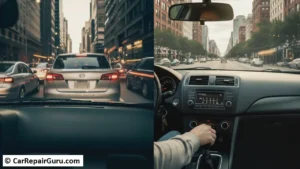
After investing in new rotors, you’ll want to make them last. A few simple habits can make a big difference:
- Practice Smooth Driving: Look ahead and anticipate stops. Coasting to a red light instead of braking hard at the last second dramatically reduces heat and wear.
- Use Your Gears on Steep Declines: When driving down a long, steep hill, shift your vehicle into a lower gear. This uses “engine braking” to help control your speed, giving your rotors a much-needed break from constant friction and heat.
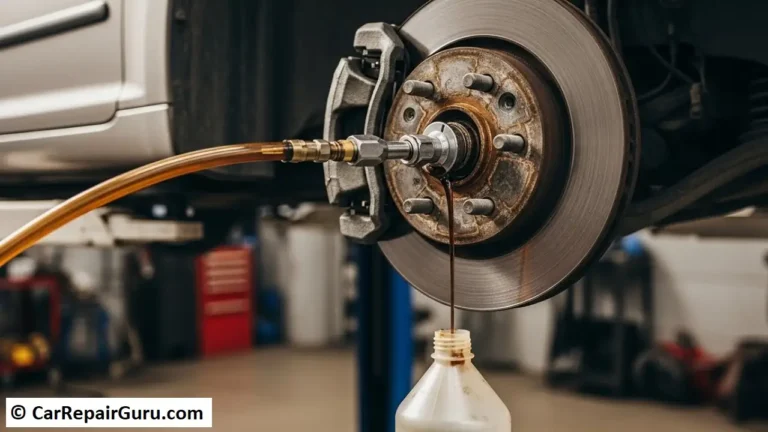
- Don’t Neglect Your Brake Fluid: Brake fluid should be flushed and replaced according to your vehicle’s maintenance schedule. Old fluid can contribute to corrosion and caliper issues.
- Choose Quality Parts: Opting for high-quality pads and rotors ensures they are made from materials designed to manage heat effectively and provide a longer service life.
Don’t Ignore the Signs – Prioritize Your Braking Safety
Your brakes are the most important safety feature on your vehicle. Symptoms like a pulsating brake pedal, grinding noises, or a shaking steering wheel are not just minor annoyances—they are direct warnings that your braking system requires immediate attention.
If you are experiencing any of the signs discussed here, don’t wait. Schedule a professional brake inspection today. A timely brake rotors replacement is a critical investment in your safety and the safety of everyone else on the road.
Your Brake Rotor Replacement Questions Answered
How much does brake rotor replacement cost?
The brake rotor replacement cost can vary widely, typically ranging from $300 to $800 per axle (front or rear). The price depends on your vehicle’s make and model, the quality of the parts (OEM vs. aftermarket), and local labor rates.
How long do brake rotors last?
There’s no single answer, but a general estimate is between 30,000 and 70,000 miles. However, this can be significantly shorter for those who drive aggressively or in heavy city traffic, and longer for those who do mostly gentle highway driving.
Do I need to replace brake pads and rotors at the same time?
Yes, absolutely. It is standard and highly recommended practice to always replace brake pads when you replace rotors. Putting new pads on an old, worn rotor will cause them to wear out unevenly and quickly. Likewise, putting old pads on a new rotor will immediately score the new rotor’s surface, defeating the purpose of the repair.
Can I drive with bad brake rotors?
It is extremely unsafe and not recommended. Bad rotors can lead to significantly longer stopping distances, loss of control during a hard stop, and in worst-case scenarios, complete brake failure.
About the Author