Marco
Marco 
Engine maintenance helps your car run reliably, reduces avoidable wear, and can prevent minor problems from turning into expensive repairs. The most important tasks include checking engine oil, monitoring coolant levels, replacing filters when needed, and following your vehicle’s recommended service schedule.
You do not need to be a professional mechanic to handle basic checks. This guide explains what to inspect, how often to perform common maintenance tasks, which warning signs matter, and when to take your car to a repair shop.
- What Is Engine Maintenance and Why Does It Matter?
- How Regular Maintenance Protects Your Engine
- What Happens When Engine Maintenance Is Neglected?
- Engine Maintenance Schedule – What to Check and When
- Monthly Engine Checks
- Maintenance Based on Mileage and Time
- How Driving Conditions Affect Maintenance Intervals
- Essential Engine Maintenance Tasks
- Check Engine Oil and Follow the Correct Change Interval
- Inspect Coolant Levels and the Cooling System
- Check and Replace the Engine Air Filter
- Maintain Spark Plugs and the Ignition System
- Inspect Engine Belts, Hoses, and Connections
- Replace the Fuel Filter When Required
- Follow the Correct Timing Belt or Timing Chain Requirements
- How to Check Your Engine at Home
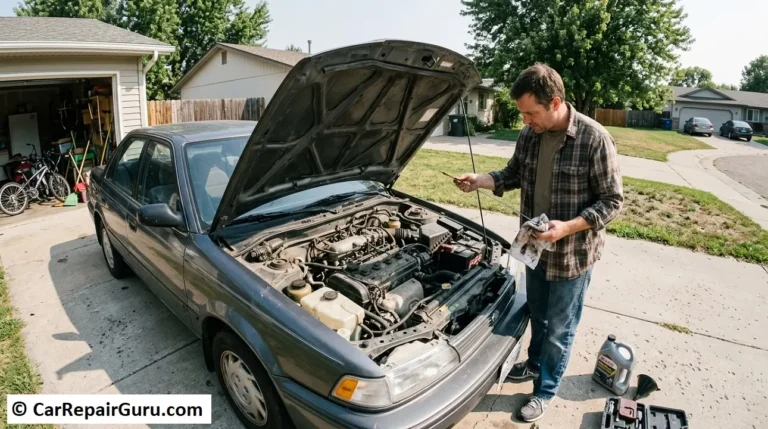
- Inspect Engine Oil Safely
- Check the Coolant Reservoir When the Engine Is Cold
- Look for Fluid Leaks Under the Vehicle
- Inspect Belts and Hoses for Visible Damage
- Keep a Record of Maintenance and Repairs
- Signs Your Engine Needs Maintenance
- Unusual Engine Noises or Rough Idling
- Warning Lights on the Dashboard
- Overheating or Coolant Loss
- Unusual Exhaust Smoke or Fluid Leaks
- Changes in Fuel Economy or Engine Performance
- Engine Maintenance Mistakes to Avoid
- Using the Wrong Engine Oil or Coolant
- Ignoring the Manufacturer’s Maintenance Schedule
- Overfilling Engine Oil or Coolant
- Opening the Cooling System While the Engine Is Hot
- Replacing Parts Without Confirming the Problem
- DIY Engine Maintenance vs. Professional Service
- Maintenance Tasks Most Drivers Can Handle
- When to Take Your Car to a Mechanic
- How to Prepare for an Engine Inspection
- How to Build a Simple Engine Maintenance Routine
- Create an Engine Maintenance Checklist
- Track Mileage, Dates, and Service History
- Adjust Your Routine to Your Vehicle and Driving Conditions
- Final Thoughts
- Frequently Asked Questions
- How often should engine maintenance be performed?
- What is included in routine engine maintenance?
- Can regular engine maintenance prevent costly repairs?
- How do I know if my engine needs servicing?
- Can I perform engine maintenance at home?
- What is the most important part of engine maintenance?
What Is Engine Maintenance and Why Does It Matter?
Engine maintenance includes the inspections, fluid changes, and component replacements needed to keep an engine operating as designed. Depending on your vehicle, this may include oil and filter changes, air filter replacement, spark plug service, cooling system inspections, and timing belt maintenance.
Regular maintenance helps protect internal engine components from excessive wear, supports reliable operation, and allows you to spot developing problems before they cause further damage. For a broader overview, see our guide to essential engine care tips.
How Regular Maintenance Protects Your Engine
An engine operates under considerable heat, pressure, and friction. Engine oil lubricates moving parts, the cooling system regulates temperature, and the air intake system helps supply the clean air needed for combustion.
Each system has a different job, but they work together to keep the engine running properly.
For example, low oil pressure can prevent critical components from receiving adequate lubrication. A cooling system leak can cause overheating, while a damaged air filter may allow dirt to enter the engine.
Routine maintenance reduces the risk of preventable damage, but it cannot eliminate every mechanical failure. The key is to follow the correct service schedule and investigate unusual symptoms promptly.
What Happens When Engine Maintenance Is Neglected?
Skipping scheduled maintenance can allow fluids to deteriorate, filters to become restricted, and worn components to remain in service beyond their recommended limits.
The consequences depend on the problem. Delayed oil changes can increase internal wear, an unresolved coolant leak can lead to overheating, and a neglected timing belt can fail and cause severe engine damage on some engines.
Waiting for a warning light is not a reliable maintenance strategy. Some problems develop without triggering a dashboard warning until damage has already occurred.
Engine Maintenance Schedule – What to Check and When
There is no single maintenance schedule that applies to every car. The correct intervals depend on the make, model, model year, engine type, and driving conditions.
Your owner’s manual is the best starting point. For example, Hyundai’s official maintenance guidance lists engine oil and filters, drive belts, air filters, spark plugs, and cooling system components among the items that may require scheduled attention.
Use the following table as a practical overview, not a substitute for your vehicle’s specific service requirements.
Monthly Engine Checks
A brief inspection each month can help you notice changes before they become more serious. Perform these checks with the vehicle parked safely and follow the owner’s manual for any procedure that involves opening a reservoir or checking a fluid.
- Engine oil: Check the level using the dipstick or the manufacturer’s specified electronic procedure.
- Coolant: Check the reservoir level when the engine is completely cool.
- Visible leaks: Look for new puddles or fluid residue around accessible engine components.
- Dashboard warnings: Investigate new warning lights instead of ignoring them.
- Engine behavior: Pay attention to unusual noises, rough idling, overheating, or changes in performance.
These are inspection tasks, not instructions to replace every fluid monthly.
Maintenance Based on Mileage and Time
Some items are serviced according to mileage, while others have time-based limits. When both apply, the service is generally due when the first specified limit is reached.
| Maintenance item | What to do |
|---|---|
| Engine oil and oil filter | Replace at the specified mileage or time interval |
| Engine air filter | Inspect and replace according to the service schedule and condition |
| Spark plugs | Replace at the interval specified for the engine and plug type |
| Engine coolant | Inspect and replace according to the manufacturer’s instructions |
| Accessory drive belt | Inspect for wear and replace as specified |
| Timing belt, if fitted | Replace at the prescribed mileage or age limit |
| Fuel filter, if serviceable | Follow the vehicle’s specified inspection and replacement requirements |
Not every vehicle uses the same components or service intervals. Some engines have timing chains instead of timing belts, and some fuel filters are not designed for routine replacement at a universal mileage.
Never assume that a maintenance interval from another vehicle applies to yours. Check the correct owner’s manual before scheduling service.
How Driving Conditions Affect Maintenance Intervals
Driving conditions can affect how quickly certain fluids and components wear.
Frequent short trips, heavy traffic, extended idling, dusty roads, towing, and extreme temperatures may qualify as severe operating conditions under the manufacturer’s maintenance guidelines.
For example, frequent short trips may prevent the engine from consistently reaching its normal operating temperature. Dusty roads can also increase the amount of debris collected by the engine air filter.
If your manual provides a separate severe-service schedule, follow it when your driving habits match the listed conditions. Do not automatically shorten every interval without checking the manufacturer’s recommendations.
Essential Engine Maintenance Tasks
The most useful maintenance routine focuses on the fluids, filters, and components that have specific service requirements.
Check Engine Oil and Follow the Correct Change Interval
Engine oil lubricates moving components, helps carry away heat, and transports contaminants toward the oil filter. Over time, the oil’s properties change and contaminants accumulate, making scheduled replacement important.
To check the oil level:
- Park the car on level ground and switch off the engine.
- Follow the owner’s manual for the correct waiting period and checking procedure.
- Locate the dipstick and remove it.
- Wipe the dipstick clean, insert it fully, and remove it again.
- Check whether the oil level falls within the marked range.
- If the level is low, add the specified oil in small amounts and recheck it.
Some vehicles use an electronic oil-level monitoring system instead of a conventional dipstick. Follow the vehicle-specific instructions for those systems.
Always use oil that meets the manufacturer’s required viscosity and performance specifications. Choosing oil based only on brand, price, or viscosity can result in using a product that does not meet your engine’s requirements.
For more detailed instructions, see this guide to checking engine oil.
Do not judge the need for an oil change by color alone. Consider the specified service interval, mileage, elapsed time, oil requirements, and driving conditions.
Important: If the oil-pressure warning light comes on while the engine is running, pull over safely and switch off the engine as soon as it is safe to do so. Do not continue driving simply because the oil level appears normal.
Inspect Coolant Levels and the Cooling System
The cooling system helps keep the engine within its intended operating temperature range. Depending on the vehicle, it includes a radiator, coolant reservoir, thermostat, water pump, hoses, and other components.
With the engine completely cool, check that the coolant level is within the reservoir’s marked range. Look for visible leaks, damaged hoses, or signs that the level keeps dropping.
Use the coolant specification and mixture recommended for your vehicle. Coolant color alone does not establish compatibility, so do not mix different products based only on whether they look alike.
Never remove a radiator cap or open a pressurized cooling system while the engine is hot. Hot coolant can escape under pressure and cause serious burns.
If you repeatedly need to add coolant, arrange an inspection to identify the cause. A leak, malfunctioning component, or internal engine problem may be responsible.
Check and Replace the Engine Air Filter
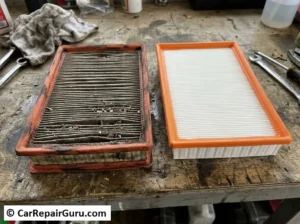
The engine air filter traps dust and other particles before they enter the intake system. A dirty or restricted filter may affect airflow, while a damaged or incorrectly installed filter can allow contaminants to bypass it.
The filter is commonly located inside a plastic housing in the engine compartment, although its location varies by vehicle.
To inspect it:
- Turn off the engine and allow the engine compartment to cool.
- Locate the air filter housing using the owner’s manual.
- Open the housing according to the manufacturer’s instructions.
- Check the filter for heavy contamination, damage, or poor fit.
- Replace it if required, making sure the replacement fits correctly and the housing closes securely.
A filter does not necessarily need replacement just because it has a light coating of dust. Follow the specified interval and consider its actual condition.
Avoid cleaning disposable paper filters with high-pressure compressed air unless the manufacturer specifically approves the method. Improper cleaning can damage the filter material and reduce its ability to trap particles.
Maintain Spark Plugs and the Ignition System
Spark plugs ignite the air-fuel mixture in gasoline engines. Worn or damaged plugs can contribute to misfires, rough idling, hard starting, and reduced engine performance.
Replacement intervals vary according to the engine and spark plug design. Some plugs are designed to last considerably longer than others, so a single mileage recommendation cannot cover every vehicle.
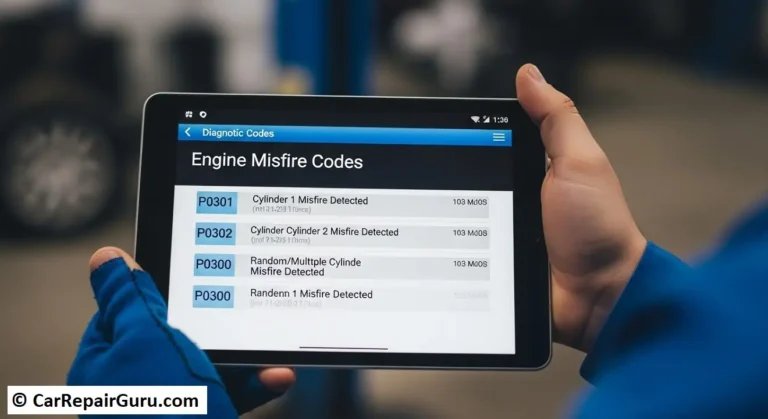
If the engine runs roughly or develops repeated misfires, the cause could involve the spark plugs, ignition coils, wiring, fuel delivery, air intake, or another component.
Replacing the plugs without confirming the cause may not solve the problem. A diagnostic scan and appropriate testing can help identify the actual fault. For other possible causes, see our guide to common car engine problems and their symptoms.
Diesel engines operate differently and do not use spark plugs to ignite the fuel-air mixture. They use compression ignition, although many diesel engines have glow plugs to assist with cold starting.
Inspect Engine Belts, Hoses, and Connections
Belts and hoses support several important engine systems. An accessory drive belt may operate the alternator, air-conditioning compressor, or water pump, depending on the vehicle’s design. Hoses carry coolant and other fluids through their respective systems.
With the engine off and cool, look for:
- Cracks, fraying, or visible damage on accessible belts.
- Bulges, splits, or leaks along coolant hoses.
- Loose or damaged connections.
- Dried fluid residue around joints and fittings.
- New squealing noises that may indicate belt slippage or an accessory problem.
Keep your hands, clothing, and tools away from moving parts. Never reach into the engine compartment near a running belt or pulley.
Replace worn components according to the manufacturer’s instructions. A belt can deteriorate without obvious cracking, and a visual inspection cannot reveal every internal defect.
Replace the Fuel Filter When Required
The fuel filter helps remove contaminants before they reach sensitive fuel-system components. Its design and maintenance requirements depend on the vehicle and whether it uses gasoline or diesel.
Some vehicles have a replaceable filter with a defined service interval. Others use a different arrangement that does not require routine replacement on the same schedule.
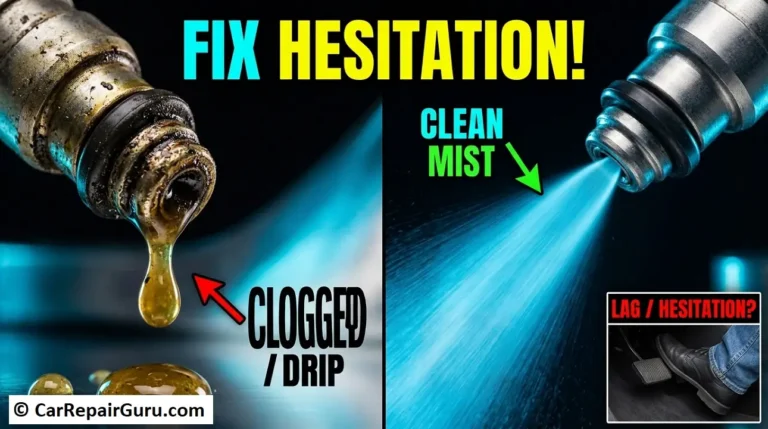
Hard starting, hesitation, and reduced power can have several causes. These symptoms alone do not prove that the fuel filter is clogged.
Follow the manufacturer’s service requirements. Fuel-system repairs may involve high pressure, specialized equipment, and safety procedures, so leave work beyond your experience to a qualified technician. You can also read our guide on how to maintain your car’s fuel system.
Follow the Correct Timing Belt or Timing Chain Requirements
The engine’s timing system keeps internal components moving in synchronization. Depending on the engine, it uses a timing belt or a timing chain.
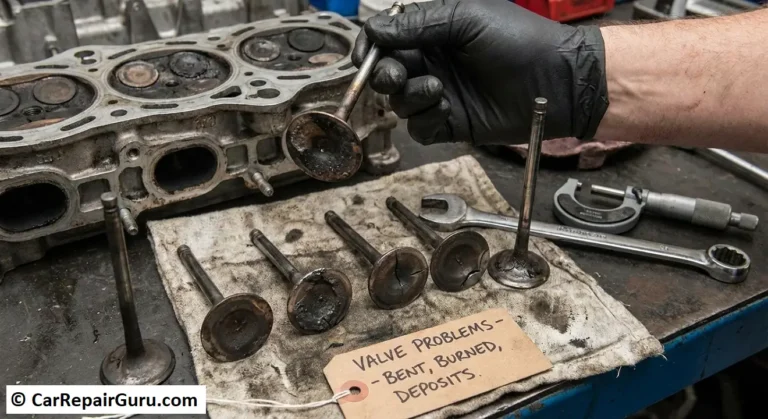
A timing belt may require replacement at a specific mileage or age, even if it looks undamaged. If it breaks, some engines can suffer severe internal damage because valves and pistons may collide.
Timing chains have different maintenance requirements and should not automatically be replaced according to timing belt intervals. However, chains, guides, and tensioners can still develop problems.
Check your owner’s manual to determine which timing system your engine uses and whether scheduled replacement is required.
Do not postpone a timing belt replacement once your vehicle reaches the specified service limit. If the maintenance history of a used car is unknown, ask a qualified technician to determine whether the service needs to be verified.
How to Check Your Engine at Home
Basic checks can help you monitor your car between scheduled services. They do not replace professional diagnosis, but they can help you identify changes and explain them more clearly to a mechanic.
Inspect Engine Oil Safely
Follow the owner’s manual for the correct oil-checking procedure. Make sure the car is parked on level ground and observe any instructions about how long the engine should remain off.
If the level is below the specified range, add the correct oil gradually and recheck it. Avoid overfilling.
If the oil level keeps dropping, investigate the cause rather than repeatedly topping it up without an inspection.
Remember that an oil-level warning and an oil-pressure warning are not the same thing. If the oil-pressure warning appears while driving, stop safely and shut off the engine as soon as possible.
Check the Coolant Reservoir When the Engine Is Cold
Locate the coolant reservoir and compare the level with its minimum and maximum markings. Check for visible leaks and watch for recurring drops in the level.
Never open the cooling system while it is hot. If the engine overheats or coolant is leaking significantly, stop safely and arrange assistance rather than continuing the journey.
Do not assume that adding coolant permanently solves the problem. Repeated coolant loss needs a proper diagnosis.
Look for Fluid Leaks Under the Vehicle
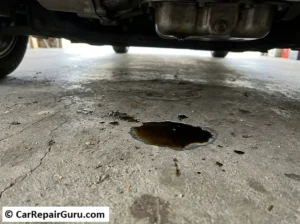
Look at the ground beneath the engine compartment after parking. Fresh puddles or recurring drips can indicate a leak that needs investigation.
The appearance and location of a fluid may provide clues, but they do not confirm its source. Engine oil, coolant, transmission fluid, and other automotive fluids can leave different traces. Clear water dripping from the air-conditioning system may simply be normal condensation.
If you notice a substantial leak, smoke, rapid fluid loss, or overheating, avoid driving until the severity of the problem has been assessed.
Inspect Belts and Hoses for Visible Damage
With the engine switched off and cool, inspect accessible belts and hoses for obvious damage, swelling, cracking, or leakage.
Do not remove covers or reach into difficult areas unless the owner’s manual provides a safe procedure. A visual inspection cannot reveal every internal weakness, so arrange service if a component looks damaged or shows signs of leaking.
Keep a Record of Maintenance and Repairs
A maintenance log makes it easier to track completed work and identify upcoming service requirements.
Record:
- The date of each service.
- The vehicle’s mileage.
- The engine oil grade and specification used.
- The fluids and parts replaced.
- Any inspection findings or repairs.
- The next service date or mileage.
Keep receipts and service records together. They can help prevent unnecessary repeat work, support troubleshooting, and provide useful documentation when you sell the car.
Signs Your Engine Needs Maintenance
Changes in engine behavior can indicate a problem, but most symptoms have multiple possible causes. Avoid replacing parts based on a single symptom without confirming the fault.
Unusual Engine Noises or Rough Idling
New knocking, rattling, ticking, or squealing sounds deserve attention, particularly if they become louder or occur alongside a warning light.
Rough idling, shaking, or repeated misfires can also point to ignition problems, air intake faults, fuel delivery issues, engine mounts, or mechanical wear.
A severe metallic knocking sound can indicate a serious internal problem. Stop the engine and arrange professional assistance if the noise is severe or accompanied by an oil-pressure warning. Continuing to drive may cause further damage.
Warning Lights on the Dashboard
Dashboard warning lights indicate that a system may need attention. Their meaning depends on the symbol, vehicle, and manufacturer’s instructions.
A check-engine light can be triggered by an emissions-related problem, a misfire, a sensor fault, or another issue. A diagnostic scan can retrieve trouble codes, but a code does not always prove that the named component has failed.
A flashing check-engine light can indicate a serious misfire that may damage the catalytic converter. Reduce engine load, stop when it is safe to do so, and follow the owner’s manual’s instructions.
An oil-pressure warning or an overheating warning requires particular caution. Pull over safely and shut off the engine when appropriate. Do not keep driving in the hope that the warning will disappear.
Overheating or Coolant Loss
A rising temperature gauge, an engine-temperature warning, steam, or recurring coolant loss can indicate a cooling-system problem.
Possible causes include a coolant leak, a faulty thermostat, a water pump problem, a radiator issue, or another mechanical fault. The symptoms alone cannot identify the exact cause.
If the engine overheats, stop in a safe location and switch it off. Never open the cooling system while it is hot. If the temperature rises again or coolant is leaking significantly, arrange professional assistance.
Unusual Exhaust Smoke or Fluid Leaks
Exhaust vapor and smoke need to be interpreted in context.
Brief white vapor on a cold morning may be normal condensation. Persistent thick white exhaust, especially when accompanied by coolant loss, needs investigation. Blue-gray smoke can indicate oil entering the combustion process, while black smoke may point to an overly rich fuel mixture or a combustion-related problem.
These signs are clues, not definitive diagnoses. Engine type, operating conditions, and other symptoms all matter.
Similarly, investigate new or recurring fluid leaks rather than assuming they are harmless. A technician can identify the fluid and determine whether the car is safe to drive.
Changes in Fuel Economy or Engine Performance
A noticeable reduction in fuel economy, sluggish acceleration, hard starting, or repeated stalling may indicate that the vehicle needs inspection.
Potential causes include ignition faults, fuel delivery problems, restricted airflow, sensor issues, tire pressure, and changes in driving conditions. Not every drop in fuel economy originates in the engine.
Record when the symptoms started and whether they occur during cold starts, idling, acceleration, or highway driving. This information can help a technician narrow down the possible causes.
Engine Maintenance Mistakes to Avoid
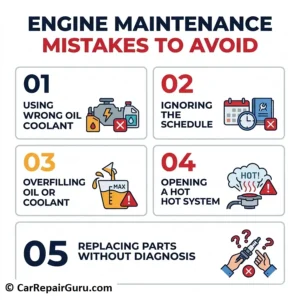
Good maintenance means using the correct products, following safe procedures, and knowing when a repair requires professional equipment.
Using the Wrong Engine Oil or Coolant
Different engines require specific oil grades and performance standards. Coolant specifications also vary, and products that look similar may not be compatible.
Check the owner’s manual before buying fluids. Do not choose oil based only on price, brand, or viscosity, and do not mix coolant products unless the manufacturer confirms compatibility.
Ignoring the Manufacturer’s Maintenance Schedule
Waiting until a component fails can turn routine maintenance into a costly repair. Some items have time-based replacement limits even when the vehicle has not covered much mileage.
Use the correct service schedule as your baseline. If you drive under severe conditions, check whether the manufacturer specifies more frequent maintenance.
Overfilling Engine Oil or Coolant
Adding extra fluid does not provide extra protection. Too much engine oil can cause operating problems, while an overfilled coolant reservoir may not have enough room for normal expansion.
Add fluids gradually and follow the specified level markings. If you accidentally overfill a system, correct the level according to the manufacturer’s instructions or seek assistance.
Opening the Cooling System While the Engine Is Hot
Hot coolant can remain under pressure after the engine is switched off. Opening a radiator cap or pressurized reservoir can release scalding liquid and steam.
Always let the engine cool completely before opening a cooling system that requires access to the reservoir or cap. If the car is overheating, keep clear of hot components and follow the manufacturer’s safety instructions.
Replacing Parts Without Confirming the Problem
Replacing a sensor, spark plug, or other component without verifying the fault may waste money and leave the real problem unresolved.
A rough-running engine, for example, can have ignition, fuel, air intake, or mechanical causes. Proper testing should guide repairs instead of guesswork.
DIY Engine Maintenance vs. Professional Service
Some maintenance tasks are straightforward for drivers with the correct tools and a clear understanding of the procedure. Others require specialist knowledge, equipment, or safety precautions.
Maintenance Tasks Most Drivers Can Handle
Depending on the vehicle and the owner’s manual, basic tasks may include:
- Checking engine oil level.
- Inspecting the coolant reservoir when the engine is cold.
- Looking for visible fluid leaks.
- Inspecting an accessible engine air filter.
- Recording service dates and mileage.
- Monitoring dashboard warning lights.
Before starting any task, park safely, switch off the engine, and allow hot components to cool. If a procedure is unclear or involves safety-critical components, use a qualified technician. For more general do-it-yourself guidance, see our car DIY maintenance guide.
When to Take Your Car to a Mechanic
Professional service is appropriate when a task involves specialized tools, pressurized systems, difficult access, or internal engine components.
Arrange an inspection for persistent warning lights, repeated overheating, unexplained fluid loss, serious engine noises, recurring misfires, or damaged timing components.
If a warning or symptom indicates that continued operation could cause serious damage, stop driving when safe and arrange roadside assistance or a tow.
How to Prepare for an Engine Inspection
Clear information can help a technician diagnose a problem more efficiently.
Explain when the symptom started, whether the engine was cold or warm, whether it occurs at idle or during acceleration, and whether any dashboard warnings appeared.
Bring maintenance records if available. Mention recent repairs, fluid additions, unusual noises, and changes in fuel economy.
A clear description of the symptoms is more useful than guessing which part has failed. It helps the technician decide which checks and tests are appropriate.
How to Build a Simple Engine Maintenance Routine
A manageable routine is easier to follow than a complicated schedule filled with unnecessary checks. Start with your vehicle’s maintenance requirements and create reminders for inspections and scheduled replacements.
Create an Engine Maintenance Checklist
Use this table to track basic inspections and scheduled services.
| Task | Suggested tracking method |
|---|---|
| Engine oil level | Check periodically according to the owner’s manual |
| Coolant level | Check when the engine is cold and investigate recurring loss |
| Visible leaks | Inspect periodically and whenever a new leak is suspected |
| Engine air filter | Inspect and replace at the specified interval |
| Spark plugs | Record the scheduled service mileage or date |
| Belts and hoses | Inspect according to the service schedule and when symptoms appear |
| Oil and filter replacement | Record the date and mileage after every service |
| Timing belt, if fitted | Record the specified replacement deadline |
| Warning lights or unusual symptoms | Investigate promptly rather than waiting for routine service |
This checklist is a tracking aid, not a universal maintenance schedule. Follow the exact requirements for your vehicle.
Track Mileage, Dates, and Service History
Use a notebook, spreadsheet, or phone reminder to record the last service and the next due point. Include both mileage and date when the manufacturer specifies both.
If you buy a used car without complete service records, do not assume that major maintenance has already been completed. Check available documentation and ask a qualified technician whether time-sensitive services need to be verified.
Adjust Your Routine to Your Vehicle and Driving Conditions
A gasoline engine, diesel engine, turbocharged engine, and hybrid powertrain can have different maintenance requirements. Model year and engine variant also matter.
Use the correct owner’s manual and identify the engine where possible. If you drive under severe conditions, consult the manufacturer’s guidance about additional inspections or shorter service intervals.
The goal is to maintain the car according to its actual needs, not to replace parts unnecessarily or rely on a schedule designed for a different vehicle.
Final Thoughts
A reliable engine maintenance routine starts with following the manufacturer’s service schedule and checking the basics consistently. Monitor oil and coolant levels, look for leaks, inspect accessible components, and keep accurate service records.
Pay attention to overheating, warning lights, unusual noises, and unexplained changes in performance. These symptoms do not always identify a failed part, but they can help you recognize when further inspection is needed.
Most importantly, use the correct fluids, follow the specified service intervals, and address serious warning signs promptly. These habits can reduce avoidable wear, help you catch problems earlier, and support dependable engine performance over the life of your vehicle.
Frequently Asked Questions
How often should engine maintenance be performed?
Check fluid levels and look for visible problems periodically. Follow your owner’s manual for oil changes, filter replacements, and other scheduled services because intervals vary by vehicle and driving conditions.
What is included in routine engine maintenance?
Routine engine maintenance may include oil and filter changes, coolant inspections, air filter replacement, spark plug service, belt inspections, and timing belt replacement where required.
Can regular engine maintenance prevent costly repairs?
Regular maintenance can reduce the risk of certain avoidable failures by addressing fluid problems, wear, and leaks early. It cannot prevent every mechanical failure, but it can help limit damage caused by neglected maintenance.
How do I know if my engine needs servicing?
Warning lights, overheating, unusual noises, rough idling, fluid leaks, and unexplained changes in fuel economy can indicate a problem. Because these symptoms may have several causes, proper diagnosis is important.
Can I perform engine maintenance at home?
Many drivers can check fluid levels, inspect visible leaks, replace accessible air filters, and maintain service records. Repairs involving hot or pressurized systems, internal components, or specialized tools may require a qualified technician.
What is the most important part of engine maintenance?
Following the manufacturer’s maintenance schedule is one of the most important steps because it identifies the fluid changes, inspections, and component replacements required for your specific engine. Checking oil and responding promptly to serious warnings are also essential.
About the Author