Marco Riley
There are few moments in car ownership more stomach-churning than when your vehicle starts making that sound.
You know the one. It might be a deep, rhythmic clunking. It might be a high-pitched squeal. Or, perhaps, it’s a sudden, terrifying loss of power that leaves you limping onto the highway shoulder.
The engine is the heart of your vehicle. When it’s healthy, you barely notice it’s there. It hums along, doing its job. But when it gets sick, it demands your attention—and usually, your wallet.
If you are reading this, you are likely already suspicious. You might be asking, “Is my engine blown?” or “Is this fixable, or is it the end of the road?”
While many car problems are simple repairs, some symptoms point to catastrophic failure where an engine replacement is the only viable option.
Let’s cut through the mechanic jargon. Below, we break down the real signs you need a new engine, explain why they happen, and help you decide if swapping the engine is worth the cost.
- 1. The “Glitter of Death” – Metal Shavings in Your Oil
- What This Means for Your Car
- 2. The Dreaded “Rod Knock” Sound
- How to Identify It
- 3. Excessive and Colored Exhaust Smoke
- Blue Smoke
- Thick White Smoke
- Black Smoke
- 4. The “Milkshake” Under the Oil Cap
- Why This Is Fatal
- 5. Sudden Loss of Power and Compression
- 6. Catastrophic Oil Consumption
- 7. A Flashing Check Engine Light
- The Immediate Danger
- Common Causes of Catastrophic Engine Failure
- Oil Starvation and Sludge
- Severe Overheating
- Hydro-Locking
- How Mechanics Confirm the Bad News
- The Compression and Leak-Down Test
- The Borescope Camera
- The Financial Reality – Repair, Replace, or Sell?
- 1. The 50% Rule
- 2. The Condition of the Rest of the Car
- 3. Understanding Your Replacement Options
- Final Thoughts
- Frequently Asked Questions
1. The “Glitter of Death” – Metal Shavings in Your Oil
Let’s start with the most definitive proof of a dying engine. The next time you (or your mechanic) check the oil, take a very close look at the fluid on the dipstick or in the drain pan.
Healthy motor oil should be brownish-gold or black. It should be liquid.
What it should not look like is metallic nail polish.
What This Means for Your Car
If you see shiny, metallic flakes swirling around in the oil, mechanics call this the “glitter of death.” These shavings are actually bits of your engine’s internal components—usually bearings or pistons—that have disintegrated.
This happens due to extreme friction or oil starvation. When internal parts start grinding against each other metal-on-metal, they shave off layers of material.
The Verdict: If you find metal shavings, a simple oil change won’t fix it. This is a classic blown engine symptom indicating that the internal architecture is physically breaking apart. A rebuild or replacement is almost guaranteed.
2. The Dreaded “Rod Knock” Sound
Cars make all sorts of weird noises. A squeal usually means a loose belt. A ticking might just be a noisy valve or low oil level. But a rod knock sound is in a league of its own.
Rod knock is a repetitive, deep tapping or banging sound coming from deep within the engine block. It usually sounds like someone is hitting the metal with a heavy hammer.
How to Identify It
The key characteristic of a rod knock is that the speed of the knocking matches your engine speed. As you rev the engine (increase RPMs), the knocking gets faster and louder.
This noise happens when the bearings that connect the pistons to the crankshaft wear out. Instead of moving smoothly, the pistons are literally banging around inside the cylinder with every rotation.
The Verdict: This is the death rattle of an engine. Once a rod is knocking, it is a ticking time bomb. If you keep driving, a rod can break loose and punch a hole right through the engine block, leaving you instantly stranded.
3. Excessive and Colored Exhaust Smoke
Your tailpipe can tell you a lot about your engine’s internal health. In a modern car, the exhaust should be mostly invisible once the car warms up.
If you are leaving a cloud behind you, pay attention to the color. It is a major clue regarding what is failing inside the motor.
Blue Smoke
This indicates you are burning oil. The piston rings or valve seals are worn out, allowing oil to leak into the combustion chamber where it burns alongside the fuel.
Thick White Smoke
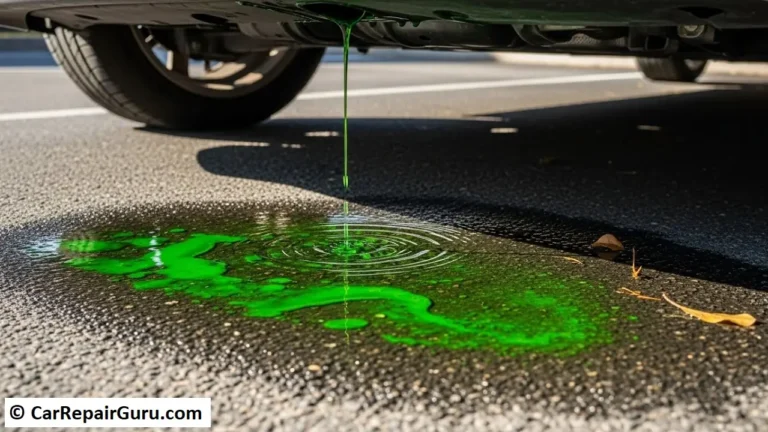
This usually indicates you are burning coolant. This is a hallmark sign of a blown head gasket or, worse, a cracked engine block. The white “smoke” is actually steam from the water in the coolant.
Black Smoke
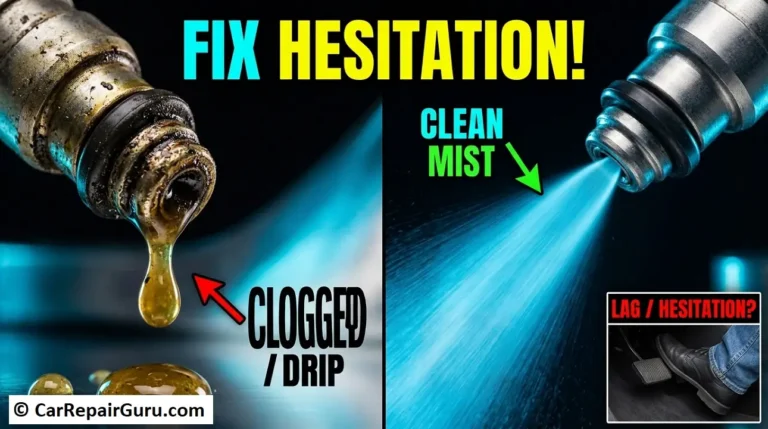
This signals that too much fuel is being burned. While this is often an issue with fuel injectors or sensors (which are repairable), ignoring it can wash the protective oil film off your cylinder walls. This leads to friction and inevitable engine failure later.
The Verdict: A little puff of smoke on a cold morning is normal condensation. However, thick, lingering clouds of blue or white smoke are serious engine replacement signs that suggest internal seals or the block itself have failed.
4. The “Milkshake” Under the Oil Cap
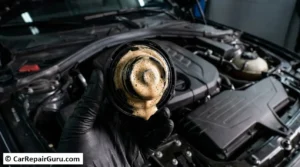
Oil and water (coolant) are never supposed to mix. They run in separate channels inside your engine block to keep things lubricated and cool.
However, if a head gasket blows or the engine block cracks, these fluids collide.
To check for this, wait until your engine is cool. Open the hood and unscrew the oil filler cap. Look at the underside of the cap.
Do you see a thick, creamy, light-brown sludge? It often looks like a chocolate milkshake or latte foam.
Why This Is Fatal
That sludge is emulsified oil mixed with coolant. When coolant gets into your oil, it destroys the oil’s ability to lubricate. It essentially turns your motor oil into a thick goo that clogs the engine’s arteries.
The Verdict: While a head gasket can sometimes be repaired, if you have driven with “milkshake oil” for any significant distance, the bearings are likely destroyed. In this case, a full replacement is often safer than trying to clean out the sludge.
5. Sudden Loss of Power and Compression
Engines work on compression. The pistons squeeze air and fuel tightly before the spark plug ignites it. This pressure is what creates power.
If your engine has lost compression, it can’t generate power efficiently. You might notice your car feels sluggish, struggles to get up hills, or misfires roughly at stoplights. It feels like the car is dragging a heavy anchor.
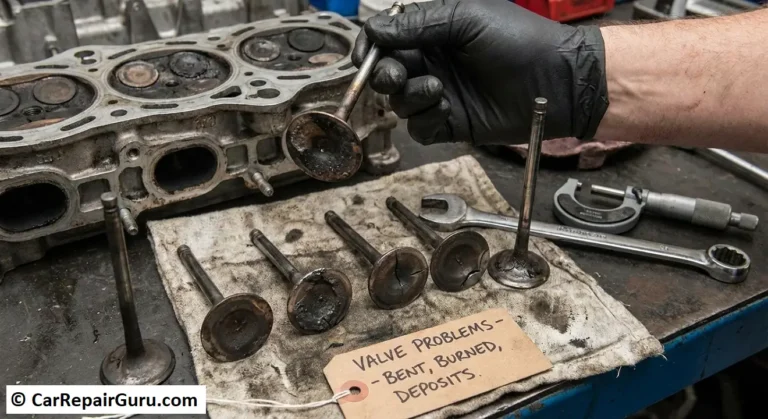
A mechanic will perform a compression test to diagnose this. If one or more cylinders have low compression, it means the piston rings are shot, the valves are burnt, or there is a hole in a piston.
The Verdict: Restoring compression is not a simple fix. It usually requires a complete engine rebuild. In many cases, specifically with older vehicles, it is more cost-effective to swap in a replacement engine than to pay for the high labor hours required to rebuild the current one.
6. Catastrophic Oil Consumption
Does your car have a drinking problem? We aren’t talking about gas—we’re talking about oil.
As engines age, they naturally consume a tiny amount of oil. But if you find yourself adding a quart of oil every time you fill up your gas tank, and there isn’t a giant puddle on your driveway, your engine is consuming it internally.
This suggests that the tolerances inside the engine (the gaps between moving parts) have become so wide due to wear and tear that the oil is slipping past the rings and burning up.
The Verdict: You can keep feeding it oil for a while, but this is a losing battle. Eventually, the spark plugs will foul, the catalytic converter will clog from the excess oil, and the engine will seize.
7. A Flashing Check Engine Light
A solid check engine light is a suggestion to get your car checked soon. A flashing check engine light is a scream for help.
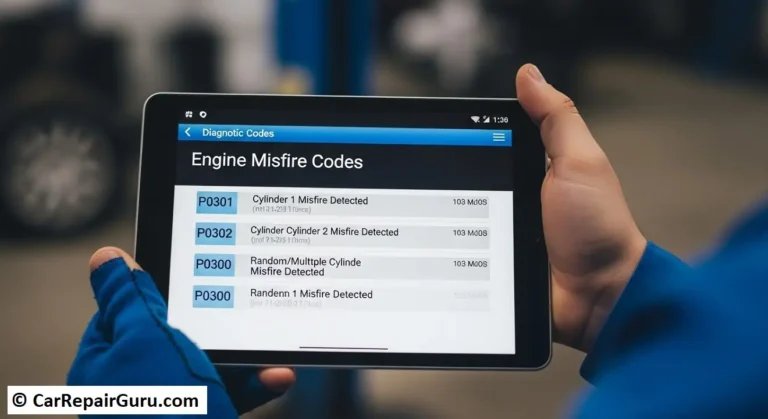
A blinking light indicates an active, severe misfire that is occurring right now. This usually means raw fuel is being dumped into the exhaust system.
The Immediate Danger
This raw fuel can overheat the catalytic converter to the point of glowing red hot. It can also cause “cylinder wash,” where fuel strips the oil away from the piston rings.
The Verdict: If the light is flashing, pull over immediately. Driving through a flashing light is the fastest way to turn a minor repair into a massive cost to replace engine scenario.
Common Causes of Catastrophic Engine Failure
Understanding why an engine fails is just as important as knowing the signs. Usually, engines don’t just die of old age; something specific kills them.
If you are debating whether to replace your engine, you need to know what caused the initial failure so you don’t repeat the mistake with the new one.
Oil Starvation and Sludge
This is the number one killer. If you skip oil changes, the oil turns into a thick sludge (tar). This sludge blocks the oil pickup tube, starving the bearings of lubrication. Within minutes of oil starvation, the metal components fuse together and seize.
Severe Overheating
Your cooling system is vital. If a water pump fails or a radiator hose bursts and you keep driving, the extreme heat will warp the aluminum cylinder head. This breaks the seal with the engine block, leading to the “milkshake” oil mentioned earlier.
Hydro-Locking
This happens when you drive through a deep puddle. Engines compress air, not water. If water gets sucked into the air intake, it enters the cylinders and stops the pistons instantly. This usually snaps the connecting rods in half.
How Mechanics Confirm the Bad News
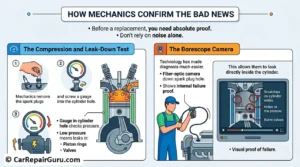
Before you spend thousands on a replacement, you need absolute proof that your current engine is dead. You shouldn’t rely on noise alone.
When you take your car to a shop, a professional mechanic will use specific tools to confirm the internal damage without taking the whole engine apart.
The Compression and Leak-Down Test
Mechanics remove the spark plugs and screw a gauge into the cylinder hole. They crank the engine to see how much pressure it builds. If the pressure is low, it proves the piston rings or valves are leaking.
The Borescope Camera
Technology has made diagnosis much easier. Mechanics can snake a tiny fiber-optic camera (a borescope) down through the spark plug hole.
This allows them to look directly inside the cylinder. They can see scratches on the cylinder walls, holes in the pistons, or burnt valves on a video screen, giving you visual proof of the failure.
The Financial Reality – Repair, Replace, or Sell?
So, you’ve spotted the signs. Your mechanic has confirmed the bad news. Now you face the ultimate financial dilemma: Engine repair vs. replace.
Here is a quick “Decision Matrix” to help you decide what to do next.
1. The 50% Rule
Is the cost of the engine replacement more than 50% of the car’s current market value?
Check sites like Kelley Blue Book or NADA guides. If your car is worth $4,000 and the new engine (parts + labor) costs $3,500, it is usually better strictly from a financial standpoint to cut your losses and sell the car for parts.
2. The Condition of the Rest of the Car
If you put a new heart in an old body, will the legs hold up?
Evaluate the rest of the vehicle honestly. Is the transmission shifting smoothly? Is the body rusted out? Is the suspension shot?
If the rest of the car is falling apart, a new engine doesn’t make sense. However, if the car is in pristine condition otherwise, an engine replacement can give it another 100,000 miles of life.
3. Understanding Your Replacement Options
If you do choose to replace, you generally have three paths to choose from:
- Used Engine (Junkyard): The cheapest option. It comes from a wrecked car. It’s a gamble because you don’t know the history, but it is often the only choice for older vehicles on a budget.
- Rebuilt Engine: Your existing engine is taken apart, cleaned, and the broken parts are replaced. This is good for classic cars where you want to keep the original engine block (matching numbers).
- Remanufactured (Crate) Engine: This is the gold standard. These are built to factory specifications and usually come with a solid warranty (e.g., 3-year/36,000-mile). This is the most expensive route but offers the highest reliability.
Final Thoughts
Hearing that you might need a new engine is stressful. It is a major expense and a logistical headache.
However, ignoring the signs you need a new engine—like that knocking sound or the metal shavings—will only lead to further damage.
If you suspect your engine is failing, don’t wait. Get a professional diagnostic immediately. Catching a problem early might save the engine, but knowing when to replace it allows you to make a smart financial decision before you pour money into a dying machine.
Frequently Asked Questions
How much does it cost to replace an engine?
It varies wildly by car. A used engine for a Honda Civic might cost $1,500 installed, while a remanufactured engine for a Ford F-150 or BMW could run between $4,000 and $8,000 or more.
Can I drive my car if the engine is knocking?
No. Driving with a rod knock will result in total engine seizure. You could end up stranded in a dangerous location. Tow the vehicle to a shop.
Does car insurance cover a blown engine?
Generally, no. Insurance covers accidents and theft. It typically does not cover mechanical failure due to wear and tear or lack of maintenance.
How long does an engine replacement take?
It typically requires 10–20 labor hours, so expect your car to be in the shop for at least one to two weeks depending on parts availability.
Does a new engine reset my odometer to zero?
No. The odometer tracks the total mileage of the car’s body and chassis, not just the engine, so the reading will remain unchanged.
About the Author