Marco Riley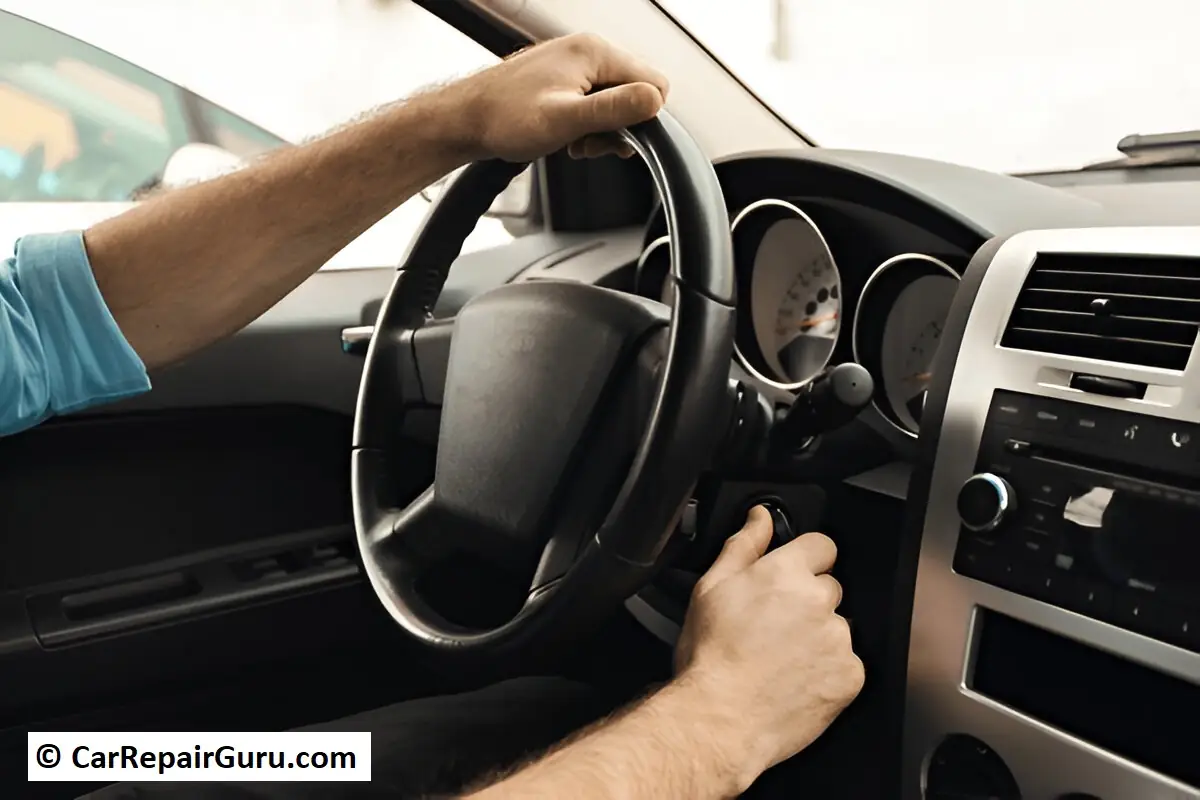
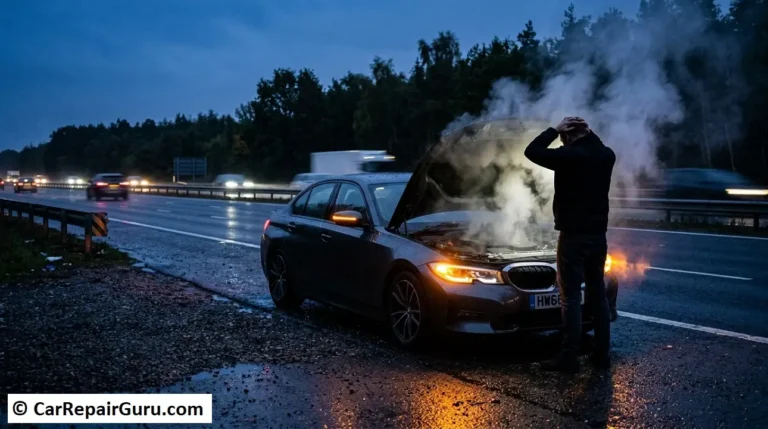
We have all been there – you turn the ignition key, hear the engine roar to life for a split second, and then watch the tachometer drop straight to zero as the cabin falls dead quiet. Getting stuck in a driveway or parking lot when you have somewhere urgent to be is frustrating, but an immediate stall gives us clear diagnostic clues.
As an ASE Certified Master Technician with over 15 years on the shop floor, I can tell you that when a car starts then die right away, the engine still has mechanical compression and initial spark. What it lacks is continuous fuel pressure, clean airflow metering, or electronic authorization from the security computer to keep running.
Let us work through this systematic diagnostic guide to track down the exact failure point under your hood.
- The First 10 Seconds – How to Read Your Engine Stall Pattern
- Security and Key Transponder Faults – The Anti-Theft Lockdown
- Fuel Delivery Failures – Weak Pumps, Clogged Filters, and Bad Relays
- Air Intake and Vacuum Leaks – Dirty MAF and Stuck IAC Valves
- Ignition and Sensor Glitches – Crankshaft and Camshaft Sensors
- Step-by-Step DIY Diagnostic Routine Before Calling a Tow Truck
- DIY Fixes vs Professional Shop Repairs – Where to Draw the Line
- Three Costly Myths About Stalling Engines Debunked
- Preventive Maintenance Checklist to Keep Your Engine Running Smooth
- Final Thoughts
- Frequently Asked Questions About Engine Stalls
- Why does my car start, sputter for two seconds, and die?
- Can a dead key fob battery cause my car to start and shut off?
- Will a bad alternator cause a car to die right after starting?
- How do I know if my fuel pump or fuel pump relay is bad?
- Can a dirty throttle body cause an immediate engine stall?
The First 10 Seconds – How to Read Your Engine Stall Pattern
Before you grab a single wrench, sit in the driver’s seat and observe the precise behavior of the shutdown. In the auto repair bay, we use the 3-second triage rule to eliminate half the possibilities before lifting the hood.
If the engine runs smoothly for exactly one to two seconds and abruptly shuts off like someone flipped an electrical switch, you are usually dealing with an electronic security lockout. If the engine catches, stumbles, shakes for two to three seconds, and sputters out, the engine is running out of residual fuel pressure. If the engine idles fine on its own but chokes and dies the instant your foot touches the accelerator pedal, the problem lies in the airflow metering or throttle control system.
Mechanic Field Note: Turn your ignition key to the “ON” position without cranking the starter. Listen closely near the rear seat for a subtle, two-second humming sound. That is the fuel pump priming the fuel rail. If you hear complete silence followed by a fast stall after cranking, you are facing an electrical fuel pump control issue rather than a broken engine component (be sure to test your fuel pump before replacing expensive parts).
| Stall Timing | Engine Behavior | Most Likely Root Cause |
|---|---|---|
| 1 to 2 Seconds | Cuts clean and instant; dash security light stays flashing | Anti-Theft Immobilizer / Key Transponder fault |
| 2 to 4 Seconds | Starts strong, sputters, drops idle RPM, then stalls | Fuel pump, clogged fuel filter, or weak fuel relay |
| Immediate on Throttle | Idles roughly, dies the instant the gas pedal is tapped | Mass Air Flow (MAF) sensor or major vacuum line split |
| 5 to 10 Seconds | Starts, searches for idle rhythm, surges up and down, dies | Stuck Idle Air Control (IAC) or heavy carbon on throttle plate |
Security and Key Transponder Faults – The Anti-Theft Lockdown
Modern vehicles rely on an engine immobilizer module that communicates with a tiny RFID chip embedded inside your key fob. When you crank the ignition, the engine control module (ECM) allows the starter to spin and fires the initial ignition cycle. However, if the ECM fails to receive the verified security handshake from your key within two seconds, it cuts the ground signal to the fuel injectors to prevent hot-wiring.
This creates the classic symptom where the engine starts perfectly, runs for two seconds, and cuts out without sputtering. You will often spot a small padlock, key icon, or “SECURITY” text flashing continuously on the instrument cluster during this event.
Pro-Tip: Try your physical spare key. Key fobs get dropped on concrete, weakening internal solder joints or draining their batteries (in many cases, replacing your car key fob battery or reprogramming the fob solves intermittent communication issues). If you have a push-to-start vehicle, press the physical fob body directly against the start button while pressing the brake pedal. Most manufacturers build a passive backup antenna directly into the start button to read dead key fobs.
- Insert your original key into the ignition cylinder.
- Turn the key to the “ON” (Run) position without cranking the engine.
- Observe the security/key light on the dashboard; wait 10 to 15 minutes for the light to stop flashing and stay solid or go out.
- Turn the key to “OFF”, wait 10 seconds, and then attempt to start the engine normally.
Fuel Delivery Failures – Weak Pumps, Clogged Filters, and Bad Relays

An internal combustion engine requires constant, high-pressure fuel to keep running after the starter motor disengages. When you turn the key, the fuel pump runs for two seconds in “prime mode” to pressurize the line. This prime shot is plenty to get the engine running, but if the electrical circuit fails to switch over to the continuous run cycle, the engine exhausts the small reservoir in the fuel rail and stalls out immediately.
A failing fuel pump motor, a corroded pump relay, or an old fuel filter choked with sediment will allow enough flow for cranking, but cannot keep up with real-time idle consumption.
Crucial Step Warning: Never test fuel delivery by continuously spraying aerosol starter fluid directly into the throttle body. A small backfire through the intake manifold can ignite aerosol fumes and crack expensive plastic intake runners or cause physical injury.
- Check the Fuel Pump Relay: Locate the main under-hood fuse box. Find the relay labeled “FUEL PUMP” and swap it with an identical, non-critical relay in the same box (such as the horn or rear defroster relay) to see if the engine stays running.
- Inspect the Fuel Pump Fuse: Pull the pump fuse and look through the transparent plastic casing for a melted or broken metal filament.
- Test the Schrader Valve: If your fuel rail has a small metal test port (resembling a bicycle tire valve), press the center pin briefly with a small screwdriver while the key is turned ON. A healthy system squirts fuel under pressure; a dead system gives a weak dribble.
Air Intake and Vacuum Leaks – Dirty MAF and Stuck IAC Valves
Your engine computer measures the exact volume and temperature of incoming air to calculate the required fuel injection quantity. If false air enters downstream of the sensor, or if the sensor’s delicate sampling elements are coated in oil and dirt, the computer injects the wrong fuel balance, causing the engine to stall out right after firing.
The two main culprits in the air metering circuit are the Mass Air Flow (MAF) sensor and the Idle Air Control (IAC) valve (or electronic throttle body actuator). A torn rubber intake boot between the air filter box and the throttle body allows unmetered air to rush into the intake manifold, leaning out the combustion mix past the point of ignition.
Common Mechanic Mistake to Avoid: Do not clean a MAF sensor with household solvents, brake cleaner, or standard carburetor spray. These aggressive chemicals melt the plastic sensor housing and destroy the microscopic platinum sensing wires. Use only designated, fast-drying MAF sensor cleaner.
| Component | Failure Mechanism | Diagnostic Test | Standard Fix |
|---|---|---|---|
| MAF Sensor | Dust/oil coating on sensing wire | Unplug MAF electrical harness; start engine | Clean sensor with MAF spray; replace if dead |
| Intake Boot | Cracks or tears in rubber accordion ribs | Visual flex test looking for hidden splits | Replace intake hose; tighten clamps |
| IAC Valve | Carbon buildup sticking pintle shut | Tap lightly on IAC housing during startup | Remove and clean bore with throttle cleaner |
| PCV Hose | Vacuum hose dry-rotted or disconnected | Listen for loud hissing sound while cranking | Reattach or replace split vacuum lines |
Ignition and Sensor Glitches – Crankshaft and Camshaft Sensors
The crankshaft position sensor (CKP) and camshaft position sensor (CMP) act as the eyes and ears of the engine control module. The CKP reads the exact rotation speed and angle of the crankshaft, telling the computer when to trigger ignition spark and open the fuel injectors.
When a crankshaft position sensor develops an internal thermal fault or cracked internal wiring, it can generate enough baseline signal to fire the starter circuit. But the moment the engine speeds up past cranking RPM, the sensor signal drops out completely. Without a confirmed RPM signal, the ECM immediately cuts the ignition coils to protect the engine from out-of-time detonation.
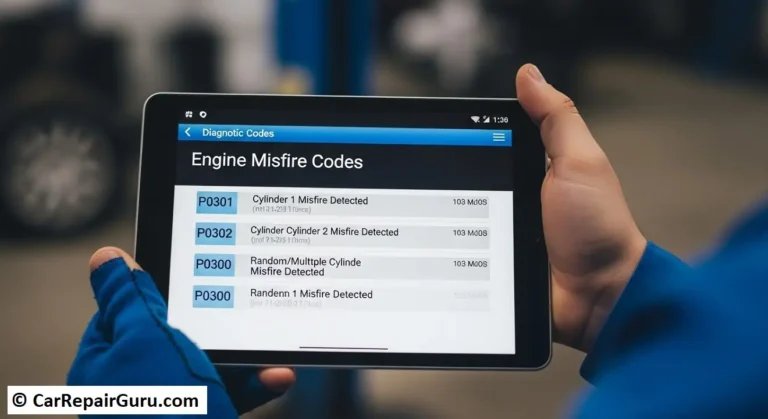
Pro-Tip: Plug an OBD2 code reader into the diagnostic port beneath your steering column, even if the Check Engine light has not locked onto the dashboard. Pending diagnostic codes often hold the key to intermittent sensor dropouts.
- P0335 – P0339: Crankshaft Position Sensor Circuit Malfunctions
- P0340 – P0344: Camshaft Position Sensor Circuit Errors
- P0100 – P0104: Mass or Volume Air Flow Circuit Faults
- P0606: ECM / PCM Processor Fault
Step-by-Step DIY Diagnostic Routine Before Calling a Tow Truck

If you are stuck right now and need to know whether you can fix this in your driveway, follow this exact sequence:
Important Safety Step: Ensure your vehicle is parked on level ground, shift into Park (or Neutral for manual transmissions), firmly pull the emergency brake, and keep hands clear of engine belts before testing under the hood.
- Perform the MAF Disconnect Test: Locate the MAF sensor on your plastic intake tube. Unplug its multi-pin electrical harness. Try starting the vehicle. If the engine now stays running, the computer has defaulted to a rich backup fuel map, confirming the MAF sensor is dirty or dead.
- Execute the Relay Tap and Swap: Open the engine bay fuse cover. Have an assistant turn the key while you gently tap the top of the fuel pump relay with the plastic handle of a screwdriver. If vibration temporarily restores electrical contact, replace the relay.
- Conduct the Secondary Key Verification: Switch to your spare mechanical or remote key to quickly rule out an immobilizer lock.
- Perform a Visual Intake Inspection: Trace the large black rubber intake ducting from the air box to the metal engine intake. Flex the accordion folds by hand to check for hidden splits pulling in unmetered air.
- Check Battery Terminal Clamping: Grab both battery cable ends and twist firmly. If the terminals shift or show thick blue-white corrosion crust, clean the posts and tighten the clamp bolts with a 10mm wrench.
DIY Fixes vs Professional Shop Repairs – Where to Draw the Line
Some stall causes take five minutes and under twenty dollars in chemicals to repair, while others involve dropping fuel tanks or tracing complex electronic bus lines. Knowing your limits prevents unnecessary tool expenses and keeps you safe.
Cost-Saving Reality: Simple tasks like cleaning your throttle body, scrubbing battery posts, or replacing a pump relay require minimal hand tools and save you both an expensive diagnostic fee and a tow bill.
| Repair Task | Skill Level Required | Estimated DIY Cost | Professional Shop Cost |
|---|---|---|---|
| MAF Sensor Cleaning | Beginner (Screwdriver) | $10 (Cleaner spray) | $120 – $180 |
| Fuel Pump Relay Replacement | Beginner (No tools) | $12 – $25 | $90 – $140 |
| Throttle Body Carbon Cleaning | Intermediate (Basic sockets) | $12 (Solvent & rag) | $150 – $220 |
| In-Tank Fuel Pump Replacement | Advanced (Jack stands, fuel lines) | $120 – $280 | $650 – $1,100 |
| Immobilizer / ECM Reprogramming | Professional (Dealer scan tool) | Not DIY Friendly | $200 – $450 |
Three Costly Myths About Stalling Engines Debunked
Misdiagnosis wastes time and money. Here are three common garage myths you should ignore when tracking down an engine stall:
Important Fact: Once your engine cranks and starts running, the alternator supplies primary electrical power to the vehicle. A car that starts and cuts out immediately is rarely suffering from a dead battery unless the alternator has suffered a complete structural failure (understanding car alternator function will help you distinguish charging failure from a bad battery).
- Myth 1: “A bad battery is causing the car to shut off after starting.”
The Reality: A battery’s primary job is turning the heavy starter motor. If your engine cranks over with vigor and fires up, your battery successfully did its job. - Myth 2: “Disconnecting the battery cables for an hour fixes all stalling glitches.”
The Reality: Removing battery power clears adaptive fuel trim memory, but it does not fix a clogged fuel injector, a split vacuum hose, or a burnt relay contact. In fact, on some vehicles, resetting the ECM wipes clean the learned idle air values, causing the car to stall even more aggressively until recalibrated. - Myth 3: “If there is no Check Engine Light, no sensors are bad.”
The Reality: Mechanical faults inside fuel pressure regulators, lazy fuel pumps, and carbon-choked idle ports rarely trigger immediate OBD2 trouble codes because they fail within acceptable electrical voltage limits.
Preventive Maintenance Checklist to Keep Your Engine Running Smooth
Preventing sudden stalling comes down to basic maintenance on your air, fuel, and electrical delivery paths.
Mechanic Maintenance Rule: Make throttle body and intake cleaning a routine service every 50,000 miles. Keeping carbon from crusting around the perimeter of the throttle butterfly plate ensures smooth airflow transitions every time the engine drops back down to idle speed.
- Replace your engine air filter every 15,000 to 20,000 miles to keep debris off the delicate MAF sensor wires.
- Replace inline fuel filters on vehicles equipped with external filter assemblies every 40,000 miles.
- Inspect vacuum lines and PCV hoses for hardening, oil-softened rubber, or loose barbs during every oil change.
- Keep battery terminal posts clean of corrosion, applying a thin coat of dielectric grease or terminal protector spray annually.
Final Thoughts
When your car starts then die unexpectedly, do not assume the worst about your engine’s internal health. Focus on the basics: confirm the security light goes off, verify that your fuel pump hums to life, and make sure your air intake system is sealed tight and clean. With a few simple diagnostic steps in your driveway, you can pinpoint the real culprit and get your vehicle back on the road safely.
Frequently Asked Questions About Engine Stalls
Why does my car start, sputter for two seconds, and die?
This pattern points directly to fuel starvation. The engine starts on the initial two-second prime pressure created when you turned the key, but the fuel pump fails to supply steady pressure once the engine runs. Check your fuel pump relay, fuel filter, and fuel pump electrical wiring.
Can a dead key fob battery cause my car to start and shut off?
Yes. On many push-to-start and smart-key vehicles, a dead or dying key fob battery prevents the vehicle’s immobilizer antenna from reading the security transponder code. The engine computer allows the starter to engage, but shuts off fuel injection after one or two seconds when the security code fails.
Will a bad alternator cause a car to die right after starting?
If an alternator has a shorted internal diode or completely failed rotor, and the battery is too weak to sustain 12 volts of ignition current on its own, the vehicle can die immediately after the starter motor disengages. Testing charging voltage with a multimeter (looking for 13.8 to 14.5 volts) confirms alternator health.
How do I know if my fuel pump or fuel pump relay is bad?
A bad relay usually prevents the fuel pump from making any priming noise when the key is turned to “ON”. You can test this by swapping the fuel pump relay with an identical horn or accessory relay in the engine bay fuse box. If the car runs with the swapped relay, your fuel pump is healthy and the relay was bad.
Can a dirty throttle body cause an immediate engine stall?
Yes. Over thousands of miles, black carbon sludge builds up on the metal bore and butterfly plate inside the throttle body. When the engine starts and the starter motor stops spinning, this carbon blocks the tiny air gap required to keep the engine breathing at idle speed, causing an immediate stall.
About the Author